

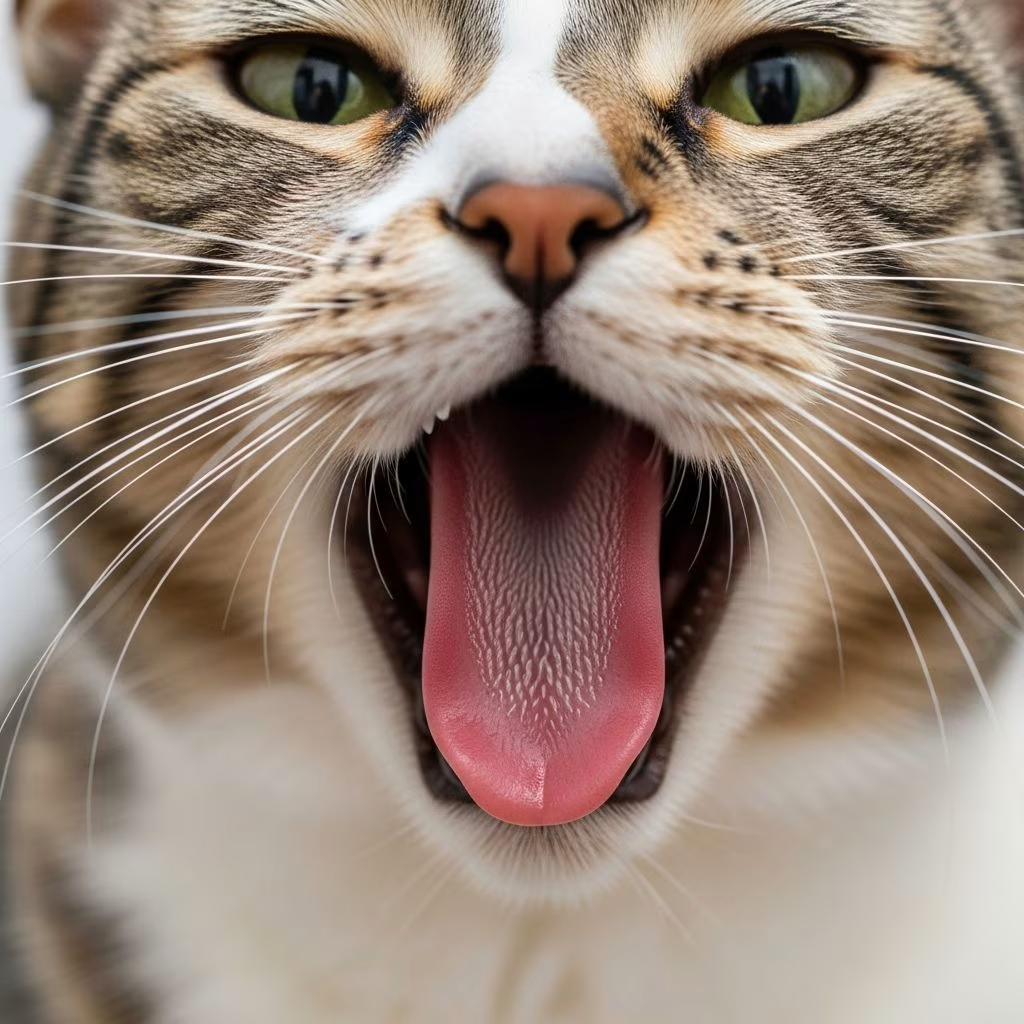
A swollen cat tongue, medically termed **glossitis**, indicates inflammation often stemming from trauma, allergies, infections, toxins, or systemic diseases. This condition causes significant pain, drooling, and eating difficulties, requiring prompt veterinary evaluation to identify and address the root cause.
Causes of Swollen Tongues in Cats
Glossitis in cats arises from diverse triggers. Understanding these helps in swift intervention. Below are the primary causes, each detailed with mechanisms and risk factors.
1. Trauma
Trauma tops the list of glossitis causes, resulting from bite wounds, sharp objects like bones or toys, dental issues such as fractured teeth, embedded foreign materials, or burns from hot foods or chemicals. These injuries breach the tongue’s delicate mucosa, sparking acute inflammation and swelling. Cats with access to electrical cords face burn risks from chewing, exacerbating damage.
2. Allergies
Allergic reactions to novel proteins in foods, environmental allergens like pollen or dust, or medications provoke rapid tongue swelling via histamine release. Food allergies often manifest after diet changes, with symptoms peaking within hours. Insect stings near the mouth can mimic this, causing localized edema.
3. Foreign Body
Curious cats, especially kittens, ingest grass awns, plant fibers, splinters, or string, which lodge in the tongue’s tissue. This leads to persistent irritation, secondary bacterial invasion, and pronounced swelling. Undetected, it progresses to abscesses.
4. Dental Disease
Periodontal disease, rampant in cats over age three, involves plaque buildup, gingivitis, and tooth resorption, indirectly swelling the tongue through adjacent inflammation or painful chewing avoidance. Resorptive lesions cause chronic mouth pain radiating to the tongue.
5. Eosinophilic Granuloma Complex
This immune-mediated syndrome yields rod-shaped tongue ulcers or plaques, often allergy-linked. It stems from hypersensitivity, presenting as linear erosions with swelling and discomfort.
6. Toxin/Poison Exposure
Toxins like household cleaners, certain plants (lilies), human foods (garlic, onions), or rodenticides irritate oral mucosa, causing caustic burns or anaphylaxis-like swelling. Some disrupt fluid balance, leading to edema; others trigger allergies. Even topical flea products licked off can provoke reactions.
7. Bacterial Infections
Bacteria exploit trauma breaches or immunocompromise, colonizing the tongue. Anaerobes from dental plaque spread, fostering pus-filled swellings. Immunosuppressed cats (e.g., FIV-positive) are prone.
8. Viral Infections
**Feline calicivirus (FCV)** dominates, inflicting tongue ulcers, gingival hyperplasia, and swelling amid upper respiratory signs like sneezing. **Feline herpesvirus (FHV-1)** causes similar erosions. **FIV** and **FeLV** indirectly contribute via immunosuppression, enabling opportunistic infections and poor healing.
9. Fungal Infections
*Candida albicans*, a normal oral flora, overgrows with antibiotic use, diabetes, or immunosuppression, coating the tongue white while inflaming tissues. Rare but severe, it demands antifungal therapy alongside underlying issue management.
10. Liver or Kidney Disease
Chronic kidney disease (CKD) induces uremic stomatitis with oral ulcers and dry, swollen tongues from dehydration. Liver failure sparks systemic inflammation, manifesting orally. Both feature halitosis and appetite loss.
Other Causes
Less common culprits include tumors (squamous cell carcinoma causing ulcerative swellings), autoimmune stomatitis, electrical burns, or nutritional deficiencies like vitamin B shortages in raw diets.
Symptoms of a Swollen Tongue in Cats
Beyond visible enlargement—often red, ulcerated, or pale—cats exhibit behavioral and physical signs signaling distress. Early detection prevents dehydration and malnutrition.
- Struggling to eat: Pain averts chewing; cats drop food or prefer liquids.
- Bad breath (halitosis): Infections or decay produce foul odors.
- Drooling: Excessive saliva drips from pain-induced swallowing refusal.
- Pawing at the mouth: Instinctive attempts to alleviate discomfort.
- Bleeding or ulcers: Visible on tongue, gums.
- Lethargy and weight loss: From anorexia and malaise.
- Scruffy coat: Reduced grooming due to pain.
- Vocalizing on yawning: Oral hypersensitivity.
Table of Common Symptoms and Linked Causes:
| Symptom | Associated Causes |
|---|---|
| Excessive drooling | Trauma, infections, foreign bodies |
| Difficulty eating | Ulcers (viral), allergies, tumors |
| Halitosis | Bacterial/fungal, dental disease, CKD |
| Pawing mouth | Foreign bodies, pain from any cause |
Diagnosis of Feline Glossitis
Vets commence with history-taking (diet changes, toxin exposure, vaccination status) and physical exams, including oral inspection under sedation for fractious cats. Diagnostics encompass:
- Complete blood count/chemistry: Detects organ dysfunction, infection.
- Viral testing (PCR for FCV/FHV, FeLV/FIV snaps).
- Cytology/biopsy: Rules out cancer, confirms infections.
- Dental radiographs: Identifies hidden abscesses.
- Culture/swab: Guides antibiotics for bacteria/fungi.
Imaging like ultrasound assesses systemic involvement.
Treatment for a Swollen Cat Tongue
Treatment targets etiology while supporting comfort:
- Supportive care: Soft/warm foods, hydration (subcutaneous fluids), analgesics (buprenorphine), anti-nausea meds.
- Trauma/Foreign body: Removal, cleaning, antibiotics.
- Allergies: Antihistamines, steroids; hypoallergenic diet trial.
- Infections: Antibiotics (clindamycin), antivirals (famciclovir for FHV), antifungals (fluconazole).
- Dental: Extractions under anesthesia.
- Stomatitis: Immunosuppressants or full-mouth extractions (80-90% success).
- Toxins: Decontamination, specifics (e.g., lipid therapy for permethrin).
Hospitalization aids severe cases with IV fluids.
When to See a Vet
Seek immediate care for swelling with breathing difficulty, profuse bleeding, or collapse—emergencies signaling anaphylaxis or airway obstruction. Routine vet visit warranted for mild cases lasting over 24 hours, or with eating refusal >12 hours to avert dehydration.
Prevention Tips
Proactive steps reduce risks:
- Annual dental checkups and cleanings.
- Core vaccinations (FCV, FHV, FeLV).
- Toxin-proof home; no lilies, secure meds.
- Gradual diet transitions.
- Regular grooming/toy checks for hazards.
- FIV/FeLV testing for outdoor cats.
Balanced nutrition supports immunity.
Frequently Asked Questions (FAQs)
What should I do if my cat’s tongue swells suddenly?
Remove potential allergens/toxins, offer water/soft food, and contact your vet urgently. Monitor for worsening.
Can a swollen tongue resolve on its own?
Mild trauma might, but most causes need intervention to prevent complications like dehydration.
Is cat tongue swelling contagious?
Viral causes (FCV) yes; isolate and vaccinate household cats.
How much does treatment cost?
Basic exam $50-100; diagnostics/surgery $300-2000+ depending on cause.
Can diet cause it?
Yes, allergies or deficiencies; switch to vet-recommended foods.
References
- Why Is My Cat’s Tongue Swollen? (Vet Answer) — Catster. 2023. https://www.catster.com/ask-the-vet/why-is-my-cats-tongue-swollen/
- Disorders of the Mouth in Cats — Merck Veterinary Manual. 2024-02-28. https://www.merckvetmanual.com/cat-owners/digestive-disorders-of-cats/disorders-of-the-mouth-in-cats
- Inflammation of the Mouth in Cats — WagWalking. 2023. https://wagwalking.com/cat/condition/inflammation-mouth
- Why would my cat’s tongue suddenly be swollen after trying a new food? — Dial A Vet. 2024. https://www.dialavet.com/vet-answers/cat-swollen-tongue-new-food-24963
- Tongue Illness and Injury in Cats — Texas Veterinary Dental Services. 2023. https://texasveterinarydentalcenter.com/tongue-illness-and-injury-in-cats/



