

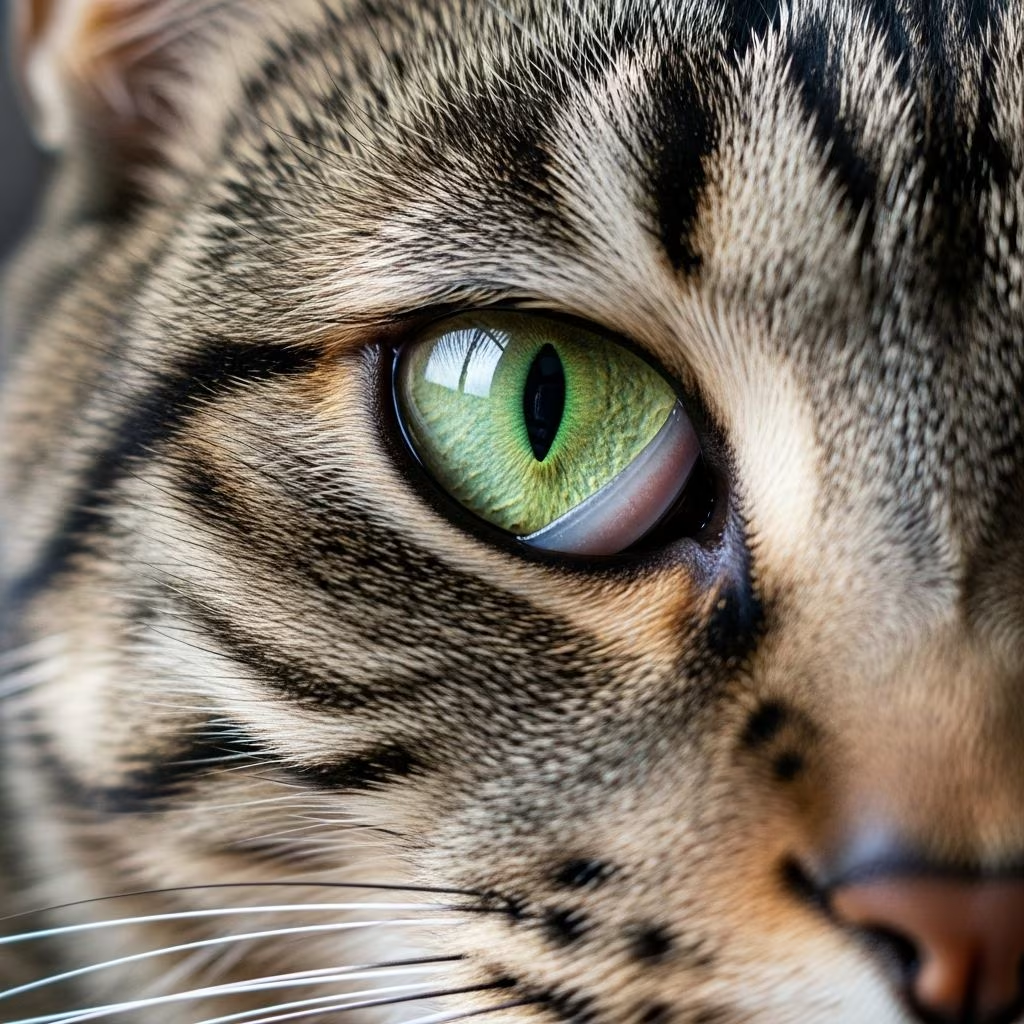
The third eyelid, also known as the nictitating membrane, is a thin, translucent layer located in the inner corner of a cat’s eye. Normally hidden, it provides protection, lubrication, and immune defense. When visible, it often indicates an underlying health issue requiring prompt attention.
What Is the Third Eyelid in Cats?
Cats possess a third eyelid, unique among many mammals, that sweeps across the eye from the inner corner to spread tears and remove debris. Composed of connective tissue, it houses glands producing up to one-third of the eye’s tears. In healthy cats, it’s rarely noticeable except during sleep or concentration. Visibility in one or both eyes, especially persistently, warrants investigation as it may signal local eye problems or systemic illness.
The 5 Reasons For a Cat’s Third Eyelid Showing
Veterinarians identify five primary categories for third eyelid protrusion. These range from ocular conditions to broader health concerns. Understanding them helps cat owners act swiftly.
1. Eye Disease
Any ocular inflammation or injury can trigger the third eyelid to protect the eye. Common culprits include:
- Conjunctivitis: Bacterial, viral, or irritant-induced inflammation causes redness, discharge, and swelling, leading to nictitating membrane protrusion.
- Corneal ulceration: Scratches or erosions on the cornea provoke pain and reflex coverage by the third eyelid.
- Glaucoma: Increased intraocular pressure swells the eye, exposing the membrane.
- Entropion: Eyelids rolling inward irritate the cornea, prompting protection.
- Eyelid masses or cherry eye: Tumors or prolapsed lacrimal glands create bulges and visibility, though cherry eye is rarer in cats.
Symptoms often include squinting, pawing at the eye, or colored discharge. Immediate vet care prevents vision loss.
2. Dehydration and/or Old Age
Sunken eyes from fluid loss or age-related tissue atrophy make the third eyelid prominent. Dehydration stems from chronic kidney disease, diabetes, hyperthyroidism, or gastroenteritis, causing excessive urination or vomiting.
In senior cats, orbital fat loss exacerbates this. Rehydration via fluids helps temporarily, but addressing root causes like kidney failure is essential. Bloodwork and urinalysis confirm systemic issues.
3. Nerve Damage
Damage to cranial nerves (e.g., facial or sympathetic) impairs third eyelid retraction. Causes include infections, inflammation, tumors, or trauma. Horner’s syndrome, often mistaken for other conditions, features unilateral protrusion with miosis (small pupil), ptosis (drooping lid), and enophthalmos (sunken eye).
Accompanying signs: facial asymmetry, pupil changes. Neurologic exams or imaging diagnose this.
4. Gastrointestinal Issues
Haw’s syndrome causes bilateral third eyelid elevation, frequently with diarrhea. Linked to gut inflammation, parasites (e.g., tapeworms), or viruses disrupting the gut-brain axis. It resolves in weeks without treatment in healthy cats, but fecal tests rule out infections.
Not all cases involve GI symptoms; stress or microbiota changes may contribute.
5. Upper Respiratory Tract Infection (URI)
Viral URIs, especially feline herpesvirus (FHV-1), cause ocular swelling and membrane protrusion. Chronic carriers flare under stress. Symptoms: sneezing, nasal discharge, conjunctivitis. Supportive care and antivirals manage outbreaks.
Other Potential Causes
- Pain or trauma: Orbital injuries or uveitis elevate the membrane.
- Fever or sedation: Temporary protrusion from high temperature or anesthesia.
- Neoplasia or cysts: Rare tumors behind the eye push the membrane forward.
- Breeds prone: Siamese and Burmese may show it more due to genetics.
When to See a Vet
Consult a veterinarian if the third eyelid shows for over 24 hours, affects both eyes, or accompanies discharge, lethargy, appetite loss, diarrhea, or behavioral changes. Delays risk permanent damage.
Diagnosis involves:
- Physical and ophthalmic exam (fluorescein stain for ulcers, tonometry for glaucoma).
- Bloodwork, urinalysis for dehydration/systemic disease.
- Fecal analysis for parasites.
- Imaging or referral for neurology.
Treatment Options
Tailored to cause:
| Cause | Treatment |
|---|---|
| Eye disease | Topical antibiotics/steroids, pain relief, surgery for entropion/glaucoma. |
| Dehydration | Subcutaneous fluids, manage underlying disease (e.g., renal diet). |
| Nerve damage/Horner’s | Treat primary issue; supportive care. |
| Haw’s/GI | Parasite deworming, probiotics, hydration; self-resolves often. |
| URI | Antivirals (famciclovir for FHV), lysine supplements, eye lubricants. |
Never use human eye drops; they harm cats.
How to Help Your Cat at Home
- Ensure fresh water; consider fountains for hydration.
- Reduce stress with hiding spots, pheromone diffusers.
- Monitor litter box, appetite, stool.
- Gently clean eye discharge with saline; avoid touching.
- Keep indoors to prevent trauma/infections.
Prevention Tips
- Annual vet checkups, especially for seniors.
- Vaccinate against URI viruses (FVRCP).
- Parasite preventives year-round.
- Balanced diet supports kidney/GI health.
- Early spay/neuter reduces some risks.
Proactive care minimizes third eyelid issues.
Frequently Asked Questions (FAQs)
Is a visible third eyelid always serious?
No, transient visibility occurs during sleep or hunting focus. Persistent or symptomatic cases need vet evaluation.
Why is my cat’s third eyelid showing in one eye only?
Unilateral often indicates local eye issues or Horner’s syndrome; bilateral suggests systemic like Haw’s or dehydration.
Can Haws syndrome be cured?
It typically resolves in 4-6 weeks without intervention, but treat any GI upset.
What if there’s no other symptoms?
Still monitor; subtle systemic disease may lurk. Vet exam rules out issues.
Is cherry eye common in cats?
Rare compared to dogs; surgical replacement if prolapsed.
References
- Is Your Cat’s Third Eyelid Showing? — Petcube. 2023. https://petcube.com/blog/cats-third-eyelid-showing/
- Why Is My Cat’s Third Eyelid Showing? 5 Vet Reviewed Reasons — Catster. 2024-10-15. https://www.catster.com/cat-health-care/why-is-my-cats-third-eyelid-showing/
- Why Do Cats Have a Third Eyelid? — Litter-Robot. 2023. https://www.litter-robot.com/blog/why-do-cats-have-a-third-eyelid/
- Haw’s Syndrome in Cats: Causes, Symptoms & Treatment — Cats.com. 2024. https://cats.com/haws-syndrome-in-cats
- My CAT’S THIRD EYELID Is SHOWING 👁️ Nictitating Membrane in Cats — YouTube (Veterinary Channel). 2023. https://www.youtube.com/watch?v=JF5ipt0cFtM
- The Anatomy and Function of a Cat’s Third Eyelid — All About Vision. 2024. https://www.allaboutvision.com/eye-care/pets-animals/cat-third-eyelid/
- A Cat’s Third Eyelid — Aristopet. 2023. https://aristopet.com.au/tips-and-advice/a-cat-s-third-eyelid/



