

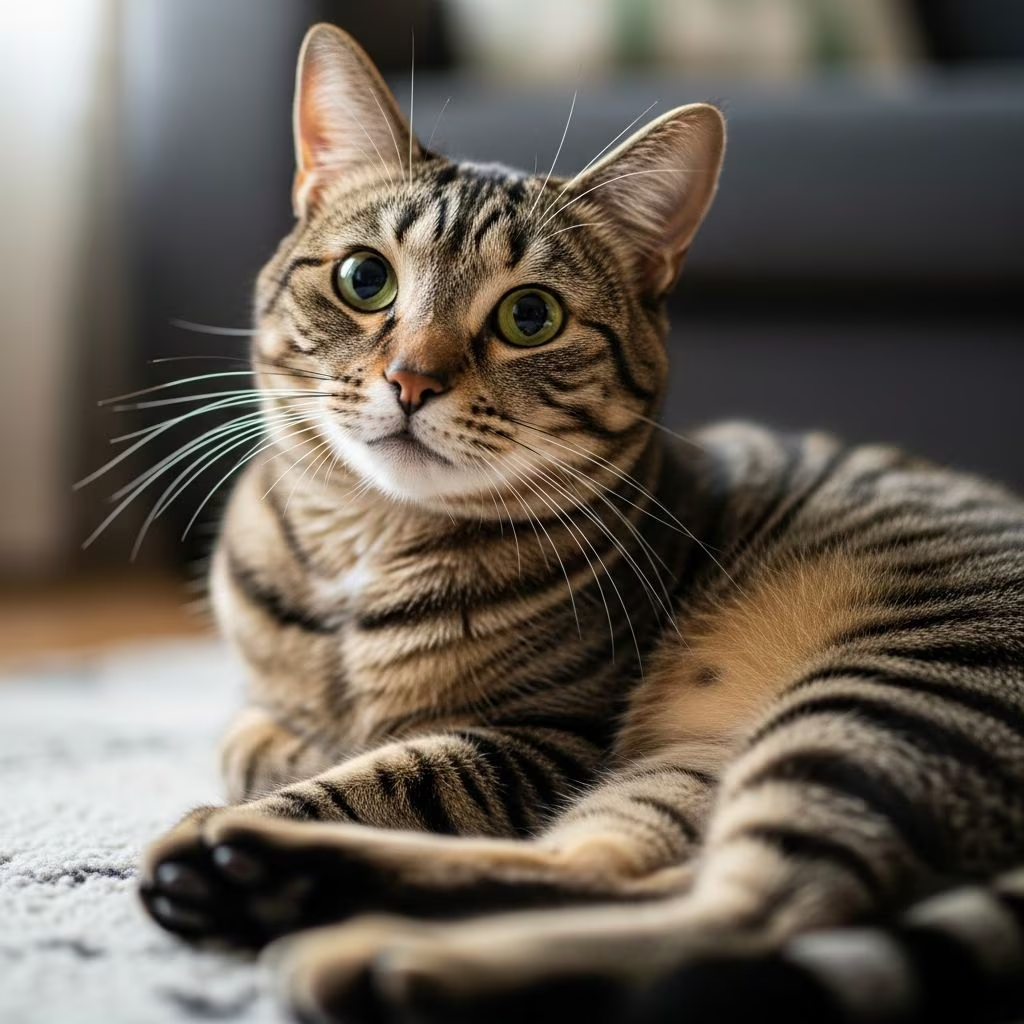
Cat stomach gurgling, medically known as borborygmi, is a common sound heard from your feline friend’s belly. These rumbles occur as gases and fluids move through the digestive tract during normal digestion, often noticeable after meals or when hungry. While usually harmless, excessive or persistent gurgling accompanied by other symptoms may indicate underlying health issues like food allergies, parasites, or inflammatory bowel disease (IBD). This article explores the 8 key reasons, symptoms to watch for, and steps for care.
The 8 Possible Reasons Why Your Cat’s Stomach is Gurgling
Understanding the root cause helps determine if it’s benign or requires veterinary intervention. Here’s a breakdown of the most common triggers based on veterinary insights.
1. Normal Digestion
The most frequent cause of stomach gurgling is simply your cat’s digestive system at work. Borborygmi result from gases—either swallowed during eating or produced by gut bacteria breaking down food—being propelled through the intestines. These sounds peak 1-2 hours post-meal as peristalsis (intestinal contractions) moves contents along. If your cat is otherwise energetic, eating well, and has normal stools, no action is needed.
- Happens regularly after eating or when hungry
- No pain, vomiting, or behavioral changes
- Common in all cats, especially fast eaters who swallow air
2. Hunger
An empty stomach can gurgle loudly as digestive juices and gases shift without food to process. This is akin to human ‘hunger pangs’ and resolves quickly after feeding. Kittens and active cats may experience this more often due to faster metabolisms.
3. Eating Too Quickly or Swallowing Air
Cats that bolt their food ingest excess air (aerophagia), leading to bubbly gurgles as it mixes with stomach contents. Stress or excitement during meals exacerbates this. Slow-feed bowls or puzzle feeders can mitigate it by encouraging slower eating.
4. Food Allergies and Intolerances
Proteins like beef, chicken, fish, or dairy (lactose intolerance is widespread in adult cats) trigger allergic responses, causing gut inflammation, gas, and gurgling. Symptoms include itchy skin, ear infections, diarrhea, and vomiting. Diagnosis involves hypoallergenic elimination diets under vet guidance.
| Allergen | Common Signs | Prevalence |
|---|---|---|
| Dairy | Gas, diarrhea | High (most adults lactose intolerant) |
| Chicken/Beef | Itchy skin, gurgling | Moderate |
| Fish | Vomiting, allergies | Common in sensitive cats |
5. Intestinal Parasites
Worms like roundworms, hookworms, or tapeworms irritate the gut lining, increasing gas production and gurgling. Visible segments in stool, weight loss, or a pot-bellied appearance signal infestation. Regular deworming and fecal tests prevent this.
6. Hairballs
Grooming leads to ingested fur forming hairballs, which obstruct digestion and cause rumbling as they move through. Frequent vomiting of tubular masses or constipation accompanies this. Laxatives, hairball diets, and brushing help manage it.
7. Stress
Changes like new pets, moves, or loud environments upset the gut-brain axis, slowing digestion and causing gas buildup. Calming pheromones or routines restore balance.
8. Serious Conditions (IBD, Pancreatitis, etc.)
Chronic issues like inflammatory bowel disease (IBD) inflame the intestines, leading to persistent gurgling, diarrhea, and weight loss. Pancreatitis (pancreas inflammation) causes acute pain, vomiting, and lethargy. Other culprits include foreign bodies, ulcers, hyperthyroidism, or cancer. These demand prompt vet care.
Other Symptoms to Watch For
Isolated gurgling is often fine, but clusters of signs warrant a vet visit.
- Lethargy or hiding: Indicates pain or illness
- Vomiting/Diarrhea: Especially with blood or frequency
- Loss of appetite/weight loss: Red flags for IBD or parasites
- Abdominal pain: Hunching, tenderness when touched
- Dehydration: Tacky gums, skin tenting
Cats mask illness, so early detection is crucial.
When Should I Be Concerned?
Monitor for 24-48 hours. Seek immediate vet help if gurgling pairs with vomiting >2x/day, bloody stools, severe lethargy, or pain. Diagnostics may include bloodwork, ultrasounds, or endoscopy to rule out obstructions or IBD.
How to Reduce Stomach Gurgling at Home
Proactive steps minimize benign causes:
- Feed small, frequent meals of high-quality, novel-protein food
- Use probiotics for gut flora balance
- Ensure hydration with fountains
- Brush daily to prevent hairballs
- Avoid table scraps and dairy
For allergies, transition to hydrolyzed diets slowly over 7-10 days.
Frequently Asked Questions (FAQs)
Q: Is cat stomach gurgling always bad?
A: No, it’s often normal digestion (borborygmi). Worry if accompanied by vomiting, diarrhea, or lethargy.
Q: Can diet changes stop gurgling?
A: Yes, eliminating allergens or using sensitive-stomach formulas reduces issues in many cats.
Q: Do parasites cause loud gurgling?
A: Yes, worms irritate the gut, increasing gas and sounds. Fecal exams confirm.
Q: How is pancreatitis diagnosed?
A: Via blood tests for enzyme levels, ultrasound, and history of symptoms like pain and vomiting.
Q: When to see a vet for borborygmi?
A: Immediately if with appetite loss, dehydration, or persistent >48 hours.
Treatment Options for Gurgling Stomachs
Treatment targets the cause:
- Dietary: Hypoallergenic or hydrolyzed foods
- Parasites: Dewormers like pyrantel
- IBD/Pancreatitis: Steroids, anti-nausea meds, fluids
- Supportive: Probiotics, antacids for reflux
Vets may hospitalize for severe dehydration.
References
- Understanding Why My Cat’s Stomach Gurgles — Hill’s Pet. 2023. https://www.hillspet.com/cat-care/healthcare/understanding-why-my-cats-stomach-gurgles
- My Cat’s Stomach Is Gurgling: When to Worry & Vet Approved Care — Hepper. 2024. https://articles.hepper.com/my-cats-stomach-is-gurgling/
- Gurgling Guts: The Causes, Signs, and Treatment of Gastroenteritis in Pets — Boca Midtown Animal Hospital. 2023. https://bocamidtownevet.com/gurgling-guts-the-causes-signs-and-treatment-of-gastroenteritis-in-pets/
- My cat’s stomach is growling or it is passing a lot of gas — MP Labo. 2024. https://www.mplabo.com/en/questions/my-cats-stomach-is-growling-or-it-is-passing-a-lot-of-gas/
- Why Is My Cat’s Stomach Gurgling? 8 Vet-Reviewed Reasons — Catster. 2024. https://www.catster.com/cat-health-care/why-is-my-cats-stomach-gurgling/
- Acid Reflux in Cats: Symptoms, Treatment, and Why It Happens — PetMD. 2024. https://www.petmd.com/cat/condition/digestive/acid-reflux-in-cats
- Cat Stomach Gurgling & Other Signs of Digestive Issues — NHV Natural Pet Products. 2024. https://nhvpethealth.com/blog/cat-stomach-gurgling-other-signs-of-digestive-issues/
- Altered Gastric Noises (Stomach Growling) in Cats — Vetster. 2024. https://vetster.com/en/symptoms/cat/altered-gastric-noises-in-cats



