

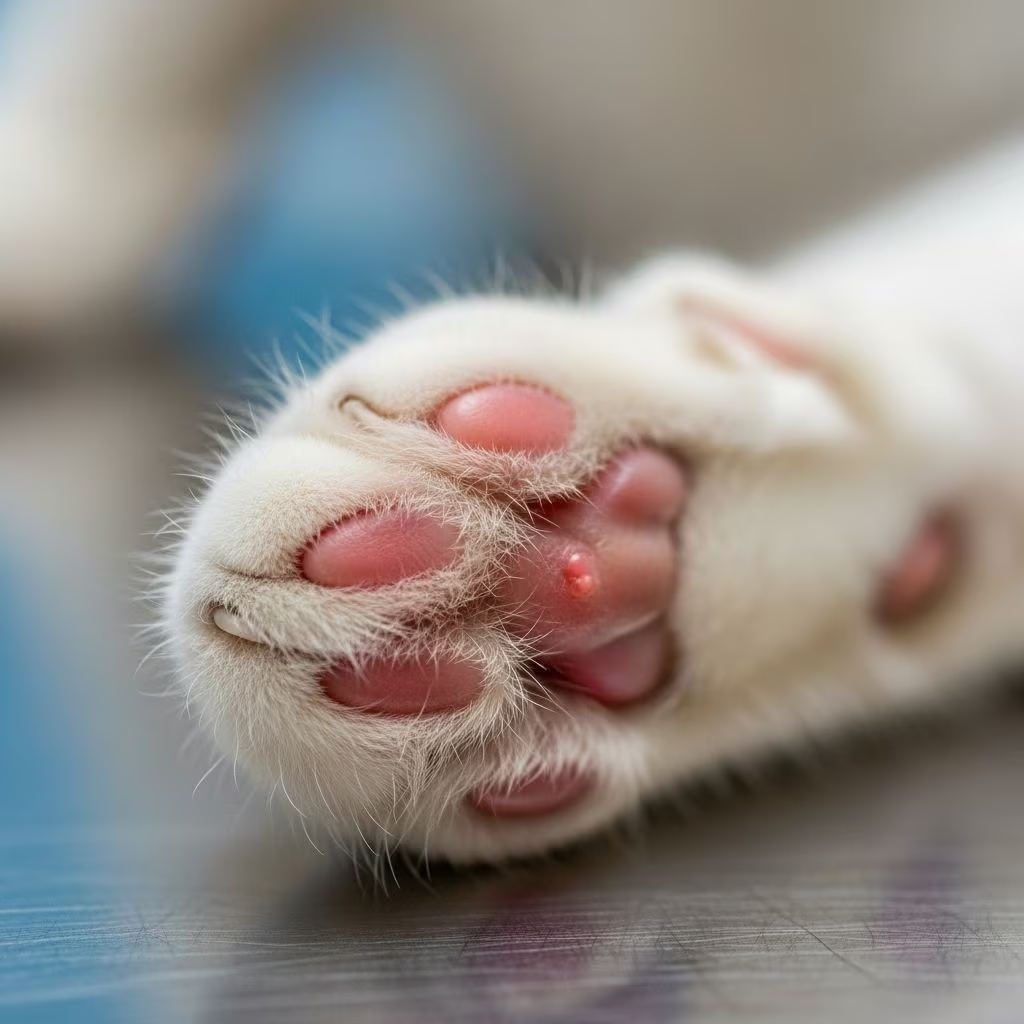
Why Is My Cat’s Paw Red and Irritated?
Noticing that your cat’s paws are red and irritated can be concerning, especially when your feline companion keeps licking or biting at them. Red, swollen paws are not something to ignore, as they often indicate an underlying health issue that requires veterinary attention. If your cat is experiencing redness and irritation on one or more paws, understanding the potential causes can help you take appropriate action to ensure your pet receives the care they need.
Should You Visit a Veterinarian?
If you notice your cat’s paw pads are red and your cat keeps licking them, the answer is simple: yes, you should get your cat evaluated by a veterinarian. Your cat’s constant licking behavior is a clear sign that the paw is irritated and possibly infected. While it might be tempting to apply a home remedy or wait to see if the condition improves on its own, seeking professional veterinary care is essential. A veterinarian can properly diagnose the underlying cause and recommend appropriate treatment to alleviate your cat’s discomfort and prevent complications.
Single Paw Affected: Understanding Pododermatitis
When only one paw is affected, the condition is most likely pododermatitis, which is a skin infection of the foot. Pododermatitis is a localized condition that develops when bacteria or fungi invade the paw pads, typically through small cuts or abrasions. Your cat may have stepped on something sharp or dirty, creating a pathway for microorganisms to enter the skin.
Who Is Most At Risk?
Longhaired cats with substantial fur on their feet are especially prone to pododermatitis. The fur can trap moisture or cat litter, creating a warm, humid environment that promotes bacterial or fungal growth. Additionally, cats that do not groom their paws regularly or those exposed to unhygienic living conditions are at higher risk. Indoor cats that spend time in litter boxes filled with wet litter are particularly susceptible to this condition.
Symptoms of Single Paw Pododermatitis
Common signs of pododermatitis include:
– Redness and swelling around the paw pads- Excessive licking or biting at the affected paw- Difficulty walking or limping- Visible pus or discharge from the paw- Bad odor emanating from the paw- Bleeding or open sores on the paw pads- Warmth radiating from the affected area
Multiple Paws Affected: Systemic Disorders
If your cat has red, irritated paws on more than one foot, the issue is likely more systemic and complex than a simple localized infection. Multiple paw involvement suggests your cat may have an immune-mediated disorder that requires different treatment approaches. These systemic conditions involve the immune system malfunctioning, causing inflammation throughout the body rather than in just one location.
Plasma Cell Pododermatitis
One serious condition that can affect multiple paws is plasma cell pododermatitis, also known as pillow foot. In this condition, the immune system mistakenly becomes activated and overproduces lymphocytes—specifically plasma cells—that accumulate in your cat’s foot pads. These white blood cells build up in the paw pads, causing them to swell dramatically and become soft and tender, resembling a pillow.
The exact cause of plasma cell pododermatitis remains unknown, but veterinarians believe it behaves like an autoimmune condition. Potential triggers include food allergies, environmental allergies, or viral infections. Certain viral infections are considered contributing factors, including feline leukemia virus (FeLV) and feline immunodeficiency virus (FIV), with studies showing that over 50 percent of cats with pillow foot are FIV positive.
Pemphigus Foliaceus
Another immune-mediated disorder that can cause red, irritated paws is pemphigus foliaceus. This autoimmune condition occurs when the immune system attacks various components of the skin. Pemphigus foliaceus can affect the paw pads and cause inflammation, redness, and ulceration. Like plasma cell pododermatitis, this condition typically affects multiple paws simultaneously.
Other Contributing Factors
Several other conditions and factors can trigger systemic paw inflammation in cats:
– Feline infectious peritonitis (FIP)- Calicivirus infection- Reactions to certain litter materials- Severe allergies (food or environmental)- Cancer or lymphoma- Poor grooming habits- Parasitic infections
Diagnosis and Testing
To accurately diagnose immune-mediated paw disorders, your veterinarian will typically perform a biopsy of your cat’s footpad or the skin around the foot. This biopsy allows the vet to examine the tissue under a microscope and identify the specific immune cells involved. A definitive diagnosis is crucial because it determines which treatment approach will be most effective for your cat’s particular condition.
Your veterinarian may also perform blood tests to check for underlying viral infections like FIV, FeLV, or feline infectious peritonitis. These tests help identify any systemic conditions that may be contributing to the paw inflammation.
Treatment Options for Red and Irritated Paws
The treatment approach depends on the specific diagnosis. Fortunately, immune-mediated disorders usually respond dramatically to anti-inflammatory medications. Your veterinarian may prescribe:
– Systemic anti-inflammatory medications- Corticosteroids to suppress the immune response- Antibiotics if bacterial infection is present- Antifungal medications if fungal infection is identified- Topical treatments including creams, washes, or medicated paw soaks
For localized pododermatitis affecting a single paw, treatment typically includes topical antibiotic or antifungal medications applied directly to the affected area. Your vet may recommend keeping the paw clean and dry, possibly using medicated wipes or paw soaks to prevent infection from worsening.
Home Care and Prevention
While your cat receives veterinary treatment, you can take steps to support healing and prevent future paw problems:
– Keep your cat’s litter box clean and dry, changing litter frequently- Trim your cat’s nails regularly to prevent ingrown claws- Groom your longhaired cat’s paws regularly to remove matted fur and reduce moisture accumulation- Maintain a clean living environment to minimize bacterial and fungal exposure- Check your cat’s paws daily for signs of injury, swelling, or irritation- Prevent your cat from licking or chewing at their paws excessively by using an Elizabethan collar if necessary- Consider using hypoallergenic or dust-free litter if your cat seems prone to paw problems
Common Causes of Paw Irritation
Understanding the various causes of red, irritated paws can help you identify what might be affecting your cat:
Bacterial and Fungal Infections
Bacteria and fungi are among the most common culprits behind cat paw infections. These microorganisms can enter through small cuts, abrasions, or areas where moisture is trapped. Fungal infections, such as yeast infections, thrive in warm, humid environments between the paw pads.
Ingrown Claws or Broken Nails
When claws grow too long or curl inward, they can penetrate the paw pad, creating wounds that are susceptible to infection. Regular nail trimming is essential to prevent this painful condition.
Insect Bites and Stings
Bites from ants, bees, spiders, or fleas can cause allergic reactions or secondary infections, especially if your cat excessively licks or scratches the area. Some cats develop flea allergy dermatitis, an intense reaction to flea saliva that causes severe inflammation.
Foreign Bodies
Sharp items like splinters, glass shards, thorns, or other debris can become lodged in your cat’s paw pads. If not removed, these foreign bodies can cause infections over time and require professional extraction.
Allergies
Cats can develop allergies to food, environmental factors like pollen and dust, or specific materials like certain types of cat litter. Allergic reactions manifest as skin irritation, redness, and excessive licking.
Burn Injuries
Hot surfaces like pavement and gravel heated by the sun can burn your cat’s paws, especially during summer months. A burned paw appears swollen, red, and blistered—a severe condition requiring immediate veterinary attention.
When to Seek Emergency Care
While most cases of red, irritated paws can be addressed during regular veterinary visits, certain situations warrant emergency care:
– Severe swelling that prevents your cat from walking- Profuse bleeding from the paw pads- Signs of severe infection including purulent discharge and foul odor- Evidence of thermal burns or severe trauma- Your cat showing signs of pain, fever, or lethargy- Multiple paws severely affected in a short timeframe
Frequently Asked Questions
Q: Can I treat my cat’s red paws at home?
A: While you can keep the area clean and apply basic first aid, it is important to have a veterinarian evaluate red, irritated paws to determine the underlying cause. Professional diagnosis ensures appropriate treatment and prevents complications.
Q: Is pododermatitis contagious to other cats?
A: Bacterial or fungal pododermatitis can potentially spread between cats if they share litter boxes or sleeping areas. It is best to isolate an affected cat during treatment and ensure thorough cleaning of shared spaces.
Q: How long does it take for cat paw infections to heal?
A: Healing time varies depending on the cause and severity. Localized bacterial infections may improve within 1-2 weeks with proper treatment, while immune-mediated disorders may require ongoing medication management.
Q: Can diet affect my cat’s paw health?
A: Yes, food allergies can trigger inflammatory responses that affect the paws. Your veterinarian may recommend an elimination diet or specific hypoallergenic food if allergies are suspected.
Q: Why does my cat keep licking their paws even after treatment?
A: Excessive licking can become a habit even after the initial irritation improves. If your cat continues licking excessively, inform your veterinarian, as it may indicate ongoing discomfort or an underlying behavioral issue.
Q: Are certain cat breeds more prone to paw problems?
A: Longhaired breeds are more susceptible to pododermatitis due to moisture-trapping fur. Plasma cell pododermatitis most commonly affects domestic shorthaired cats, and males are more frequently affected than females.
Q: Should I use an Elizabethan collar to prevent my cat from licking their paws?
A: An Elizabethan collar can help prevent excessive licking during the healing process, especially when combined with veterinary treatment. Your vet can advise whether this is appropriate for your cat’s specific situation.
References
- Why Is My Cat’s Paw Red and Irritated? — Chewy Editors. 2024. https://www.chewy.com/education/cat/health-and-wellness/why-is-my-cats-paw-red-and-irritated
- Pillow Foot (Pododermatitis) in Cats — PetMD. 2024. https://www.petmd.com/cat/conditions/skin/pillow-foot-pododermatitis-cats
- Pododermatitis in Cats – Signs, Causes, Diagnosis, Treatment — Wag! Walking. 2024. https://wagwalking.com/cat/condition/pododermatitis
- Cat Skin Irritation: Signs, Causes, and Treatment — Noble Veterinary Clinic. 2024. https://noblevetclinic.com/blog/cat-skin-irritation-signs-causes-and-treatment
- These Changes to Your Cat’s Paw Might Indicate a Serious Infection — Pet Wellbeing. 2024. https://petwellbeing.com/blogs/news/these-changes-to-your-cats-paw-might-indicate-a-serious-infection



