

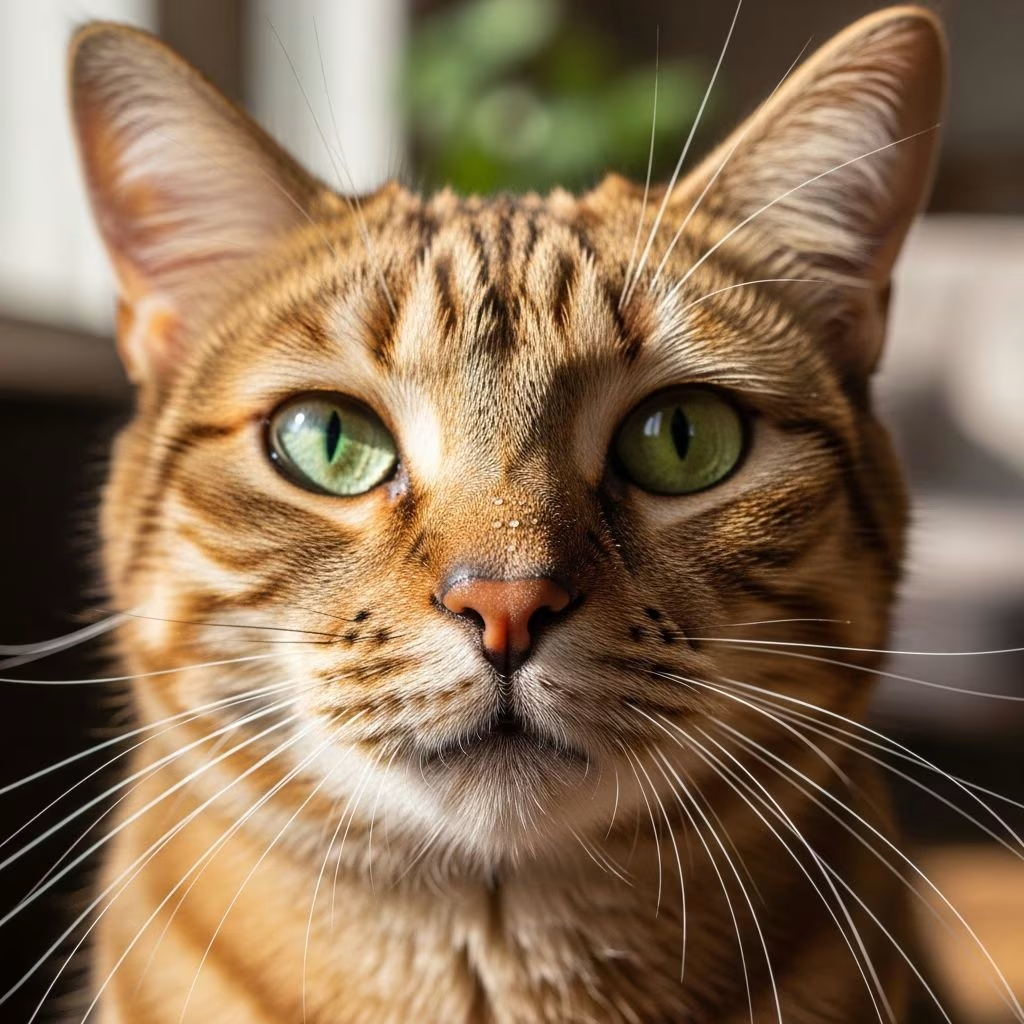
Why Is My Cat’s Nose Wet? Causes and Health Insights
If you’ve ever noticed your cat’s nose is wet, you might have wondered whether this is a sign of good health or something to worry about. The truth is that a wet cat nose can mean different things depending on the circumstances. Generally, a wet nose is often associated with a healthy cat, but it can also coincide with or mask certain health conditions that require attention. Understanding what a wet nose means and recognizing when additional symptoms warrant a veterinary visit is essential for responsible cat ownership.
The Normal Wet Nose: What Does It Mean?
Cats naturally have moist noses, and this moisture serves several important biological functions. A wet nose is typically a positive sign that your cat’s nasal passages are functioning properly and maintaining adequate hydration. The moisture helps cats with their sense of smell, which is significantly more sensitive than humans’. This natural moisture is part of normal feline physiology and shouldn’t cause concern on its own.
However, the presence of a wet nose alone doesn’t guarantee that your cat is perfectly healthy. A wet nose may be a concern if accompanied by one or more of the following symptoms: nasal discharge, sneezing or coughing, weepy or tearing eyes, crusting near the nose, or an increase in licking. When you notice these additional signs, it’s important to investigate further and potentially consult with a veterinarian.
Why Cat Noses Are Wet: Natural Reasons
Temperature Regulation and Moisture
One of the primary reasons cats have wet noses is temperature regulation. Cats sweat from only a few places on their bodies, with their nose being one of them. When your cat is in warm weather, moisture on their nose helps cool them down through evaporation. In fact, cats don’t have the ability to sweat from anywhere but through the pads of their feet, so keeping their nose wet can actually help them keep cool in warm weather. This natural cooling mechanism is particularly important during hot seasons or in warmer climates.
Environmental Factors
The surrounding environment plays a significant role in how wet your cat’s nose is. Warmer weather usually leads to some humidity which will make their snouts wetter than usual as they’re breathing in the water particles in the air. Conversely, cold, dry or artificial air from air conditioner units can end up drawing the moisture from your feline’s nose, meaning that they can end up with a dry and sometimes cracked nose.
Indoor heating during winter months can also affect your cat’s nasal moisture. If in winter, due to heating, there is dry air in the apartment, action is required. In such cases, a humidifier can lead to the mucous membranes becoming supple again. Maintaining proper humidity levels in your home can help keep your cat’s nose at a healthy moisture level.
When a Wet Nose Indicates Health Concerns
Upper Respiratory Infections
Cats are susceptible to various kinds of upper respiratory infections. These infections are among the most common reasons for an unusually wet nose accompanied by other symptoms. If your furry friend catches an infection, they can develop symptoms such as runny eyes, coughing, sneezing, and a runny wet nose.
Feline respiratory disease complex refers to respiratory tract infections caused by viruses and bacteria. Most commonly, these are due to viruses, such as feline herpesvirus and calicivirus. Upper respiratory infections are especially common in kittens and immunosuppressed adult cats, such as those with FeLV or FIV. These cats often experience fevers, mouth sores, sneezing, eye inflammation, and eye discharge in addition to runny noses.
Common Cold and Watery Discharge
A common cold in cats can cause clear, watery nasal discharge. Often a cold is to blame for the clear, watery nasal discharge. Especially when it is wet and cold outside, outdoor cats can get hypothermia and thus catch a cold. Accompanying symptoms such as sneezing, coughing and hoarseness, watery eyes, loss of appetite and an increased need for sleep are typical.
If your cat’s nasal discharge is clear and watery, this is not necessarily a cause for immediate concern. However, if there is increased nasal discharge, this indicates that the cat’s immune system is struggling with something. If the cat’s nose is not just wet, but dripping or literally “running” similar to humans with a cold, cat owners should investigate the underlying causes.
Cat Flu and Serious Infections
One particularly serious condition to be aware of is cat flu. Cat flu is a dangerous disease of the respiratory tract and mucous membranes, and can be fatal in the worst case. Cat flu is particularly noticeable in the initial phase through a very moist, weeping nose, before it finally takes over the animal’s body and being.
As cat flu progresses, the nature of the discharge changes. The affected cats may experience thin but still mucous nasal discharge at first, and the eyes of the affected cats also become wet and red. As the disease advances, thick, yellow mucus occurs, as well as bloody discharge and sputum. Additionally, owners may notice coughing, sneezing, ulcers, shortness of breath and also adhesions and incrustations in the area of the eyes and nose.
Various Types of Nasal Discharge and Their Meanings
Nasal discharge can range from a thin, clear fluid to a thick, yellow or green mucus. The color and consistency of discharge can provide valuable clues about what’s happening with your cat’s health.
Clear and Watery Discharge
Clear, watery discharge is typically the least concerning type. This kind of discharge often accompanies a simple cold or mild irritation and may resolve on its own with supportive care.
Yellow or Green Mucous Discharge
Yellow or green discharge usually indicates a bacterial infection or more serious respiratory condition. This type of discharge warrants veterinary evaluation, as it may require antibiotic treatment.
Bloody or Blood-Tinged Discharge
Blood-tinged nasal discharge is a serious symptom that should never be ignored. Trauma, high blood pressure, toxin ingestion, clotting disorders, cancer, and tick-borne diseases are all potential causes of blood-tinged nasal discharge in cats, which should be addressed immediately.
Other Health Conditions Associated with Wet Nose
Allergic Rhinitis
Allergic rhinitis is inflammation within the nasal cavity due to allergen exposure. Dander, pollen, grass, and many other substances can trigger a runny nose along with itchy, watery eyes and bouts of sneezing in cats. Allergic reactions can occur on food or other influences with which the animal comes into direct or indirect contact. In cases of food intolerance, switching to hypoallergenic cat food may be effective.
Dental Disease
Dental problems can surprisingly affect your cat’s nasal health. Mouth and nose are directly connected in cats, so diseases or inflammations in the area of the teeth and gums can quickly spread to the nose and manifest itself through changes in nasal discharge. The affected cat sneezes, suffers from bad breath, increased salivation, loss of appetite and difficulty chewing and swallowing.
Foreign Objects and Polyps
If a foreign body becomes lodged inside the nasal cavity, it can lead to inflammation and subsequent nasal discharge. If there is a foreign body in the nose, the cat may sneeze and wheeze. A white or yellowish, sometimes even purulent discharge can also be the result. Additionally, over time, an unpleasant smell usually becomes noticeable.
Nasal polyps are most common in kittens, but they can affect cats of any age. Polyps are small, benign masses that develop within the nasal passages. These typically cause one-sided nasal discharge and frequent sneezing.
Fungal Infections and Skin Issues
Fungal infections can affect the nose and surrounding areas. If, in addition to conspicuous secretion, you notice changes in the skin area in and around the nose, there may be a fungal infection behind it. Such infections can cause skin irritations and does not stop at the sensitive, moist cat nose. For example, if cracks appear, the skin appears porous or you discover sores and scabs, it may be that the cat feels itching and therefore scratches more often.
Parasites also play a role in nasal health. Mites, fleas and other parasites can lead to itching and resulting crusts and other skin irritations.
Symptoms That Warrant Veterinary Attention
While a wet nose is often normal, certain symptoms should prompt you to contact your veterinarian. Serious symptoms to watch for include extreme lethargy, difficulty breathing, and blood-tinged nasal discharge. If any of these signs are present, call the veterinarian right away.
Additional symptoms you should monitor for include:
- Fever
- Decreased appetite
- Nasal congestion
- Noisy breathing
- Eye discharge
- Sneezing, coughing, and pawing at the face
- Excessive nasal discharge that is thick or discolored
Managing Your Cat’s Nasal Health
Environmental Adjustments
One of the most important steps you can take to support your cat’s nasal health is to maintain appropriate environmental conditions. A humidifier can help break up any congestion your cat may have. This is particularly important during winter months when indoor heating reduces humidity levels.
Hydration and Nutrition
Ensuring your cat maintains proper hydration is essential for nasal health. A well-hydrated cat will naturally maintain better moisture levels in nasal passages. Additionally, a balanced diet supports overall immune function, helping your cat resist infections.
Regular Monitoring
Regularly observing your cat’s nose and overall behavior helps you catch potential health issues early. Note any changes in discharge consistency, color, or volume, as well as any accompanying symptoms.
Frequently Asked Questions (FAQs)
Q: Is a wet nose always a sign of a healthy cat?
A: Not necessarily. While a wet nose is often normal, it can also indicate health problems if accompanied by symptoms like excessive discharge, sneezing, coughing, or eye discharge. A wet nose alone is usually not a concern, but monitor your cat for other signs.
Q: What should I do if my cat’s nose is dry?
A: A dry nose can result from environmental factors like low humidity or dry air from heating or air conditioning. Using a humidifier or increasing environmental humidity can help. However, if your cat’s nose is persistently dry or cracked, consult a veterinarian to rule out underlying health issues.
Q: What does yellow or green nasal discharge mean?
A: Yellow or green discharge typically indicates a bacterial infection or more serious respiratory condition. This type of discharge warrants a veterinary visit, as your cat may require antibiotic treatment or other medical intervention.
Q: Can dental problems cause a wet nose?
A: Yes, because the mouth and nose are directly connected in cats, dental disease can spread to the nasal passages and cause changes in nasal secretion. Maintaining good oral health is important for overall nasal health.
Q: When should I call a veterinarian about my cat’s wet nose?
A: Contact your veterinarian if your cat’s wet nose is accompanied by thick or discolored discharge, sneezing, coughing, eye discharge, loss of appetite, lethargy, difficulty breathing, or blood-tinged discharge.
Q: Do all upper respiratory infections require antibiotics?
A: Not all upper respiratory infections require antibiotics. Viral infections typically resolve with supportive care, while bacterial infections may require antibiotics. Your veterinarian will determine the appropriate treatment based on the cause.
Q: Can allergies cause a runny nose in cats?
A: Yes, allergic rhinitis can cause a runny nose along with itchy, watery eyes and sneezing. Common allergens include dander, pollen, grass, and certain foods. Identifying and avoiding triggers can help manage symptoms.
References
- Cat has a wet nose: What does that mean? — Kattovit. 2024. https://kattovit.com/en/blogs/katzengesundheit/katze-feuchte-nase
- Why Are Cat Noses Wet? — Dr. Bill’s Pet Nutrition. 2024. https://drbillspetnutrition.com/why-are-cats-noses-wet/
- Why do cats have wet noses? — Animal Friends. 2024. https://www.animalfriends.co.uk/cat/cat-advice/cat-health-guide/why-do-cats-have-wet-noses/
- Runny nose in cats — Joii Pet Care. 2024. https://www.joiipetcare.com/blogs/health-symptoms/runny-nose-in-cats
- Runny Nose in Cats — PetMD. 2024. https://www.petmd.com/cat/symptom/runny-nose-cats
- What Does Your Cat’s Nose Tell You About Their Health — Eye Envy. 2024. https://www.eyeenvy.com/blog/what-does-your-cats-nose-tell-you-about-their-health/



