

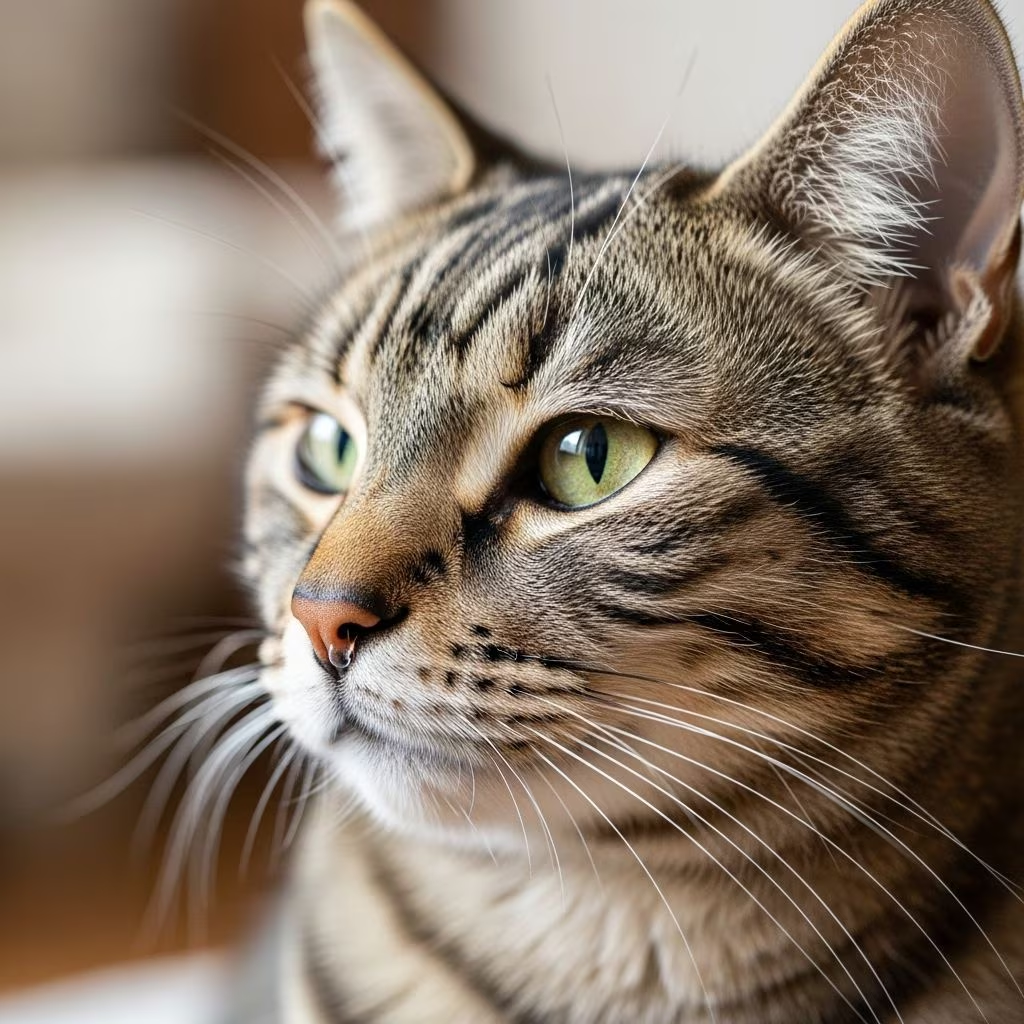
Why Is My Cat’s Nose Running?
A runny nose in cats is a common concern among pet owners, but understanding the underlying causes can help you determine whether your feline friend needs veterinary care. Cats develop runny noses in response to irritation or inflammation within their nasal passages, which can stem from various infections, conditions, or foreign materials. The nasal discharge can range from a thin, clear fluid to thick, yellow or green mucus, and the specific characteristics often provide clues about the underlying cause.
Common Causes of Runny Nose in Cats
Viral Infections
Viral infections are among the most likely culprits for a runny nose in cats. Upper respiratory infections, commonly referred to as “cat flu,” are frequently caused by viruses. Two significant viruses responsible for these infections are feline herpesvirus and calicivirus, both of which are highly contagious and common in multi-cat households and shelter environments.
Feline Herpesvirus is a leading cause of upper respiratory infections in cats. This virus typically causes symptoms such as sneezing, nasal discharge, eye irritation, pawing at the face, loss of appetite, and labored breathing. Cats infected with feline herpesvirus may experience fever and general discomfort.
Calicivirus also leads to upper respiratory tract infections and is similar to herpesvirus in its presentation. Cats with calicivirus may exhibit sneezing, nasal discharge, fever, drooling, and occasionally mouth ulcers. This highly contagious virus can cause more severe respiratory issues, particularly in kittens or older cats with weakened immune systems. Upper respiratory infections are especially common in young kittens and immunosuppressed adult cats, such as those with FeLV or FIV.
Bacterial Infections
While viral infections are more common, bacterial infections can also cause runny noses in cats. Several bacteria are known culprits:
- Bordetella bronchiseptica: This bacterium causes respiratory issues similar to viral infections and is highly contagious. Symptoms often include thick, greenish or watery nasal discharge, lethargy, sneezing, and coughing. Feline bordetellosis can be particularly severe in cats with existing respiratory conditions or those under stress.
- Chlamydia: A bacterial pathogen that can cause upper respiratory infections in cats, often resulting in nasal discharge and eye problems.
- Pasteurella multocida: Often found in the mouths of cats, this bacterium can cause nasal discharge, ear infections, nasal and sinus infections, and eye infections.
Fungal Infections
Many types of fungi, such as Aspergillus and Cryptococcus, can infect the nasal cavities of cats. This usually occurs when cats inhale or directly contact fungal spores. These infections can cause a variety of symptoms along with runny noses, including behavioral changes due to their potentially harmful effects on the nervous systems of cats. Fungal infections are less common than viral or bacterial ones but should be considered if other causes have been ruled out.
Allergies
Like humans, cats can suffer from allergies that affect their respiratory system. Allergic rhinitis is inflammation within the nasal cavity due to allergen exposure. Common allergens include seasonal pollen, household dust, mold, grass, dander, and other environmental irritants. When exposed to these allergens, a cat may develop a runny nose characterized by clear nasal discharge and frequent sneezing fits. Allergies in cats may also cause itchy, watery eyes and general restlessness or fatigue.
Foreign Bodies
Foreign bodies, such as small objects, grass blades, insects, or other irritants that a cat has inhaled, can become lodged inside the nasal cavity. This leads to inflammation and subsequent nasal discharge. When a cat has a foreign object in its nasal passages, it might exhibit symptoms including persistent sneezing, pawing at its face, continual (often one-sided) nasal discharge, snorting sounds or loud breathing, and reduced appetite. If you suspect a foreign body, veterinary intervention is necessary to safely remove the object.
Nasal Polyps
Nasal polyps are small, benign masses that develop within the nasal passages. While most common in kittens, they can affect cats of any age. Polyps usually cause nasal discharge on the side of the nostril that contains the polyp as well as frequent sneezing. They require veterinary evaluation and may need surgical removal if they obstruct the airway or cause significant discomfort.
Dental Disease
Severe dental issues can allow oral fluids or infection to spread to the nasal passages and sinuses, resulting in nasal discharge. Dental disease may cause recurrent nasal discharge or sinus problems. Regular dental care and addressing oral health issues can help prevent this complication.
Other Causes
Additional causes of runny noses in cats include inhaled irritants such as dust, smoke, strong chemical smells from cleaning supplies, or perfumes. Tumors or cancer of the nasal tissues, though less common, can also cause nasal discharge. Sinus problems may cause recurrent nasal discharge, and aspiration pneumonia—which occurs when cats accidentally inhale stomach contents—can result in yellow or green nasal discharge along with a harsh cough and noisy breathing.
Symptoms Associated With Runny Nose
The symptoms accompanying a runny nose depend on the underlying cause. Common symptoms include:
- Sneezing and coughing
- Eye discharge or eye irritation
- Nasal congestion or noisy breathing
- Pawing at the face
- Decreased appetite or loss of interest in food (when cats cannot smell their food, they often lose interest)
- Fever
- Lethargy or general malaise
- Drooling
- Mouth ulcers (in some cases)
- Behavioral changes
The consistency and color of nasal discharge can provide important diagnostic clues. Clear discharge typically suggests allergies, while thick yellow or green discharge often indicates a bacterial or fungal infection. Blood-tinged nasal discharge may indicate trauma, toxin ingestion, clotting disorders, or more serious conditions and should be addressed immediately.
When to Seek Veterinary Care
While a minor runny nose may resolve on its own in about a week, certain symptoms warrant immediate veterinary attention. Contact your veterinarian right away if your cat exhibits:
- Extreme lethargy or unresponsiveness
- Difficulty breathing or labored breathing
- Blood-tinged nasal discharge
- Persistent symptoms lasting more than one week
- Signs of severe respiratory distress
- Inability to eat or drink
Additionally, it is best to separate a cat with a runny nose from other cats in the household until a diagnosis is made, as many causes of feline runny noses are contagious among cats.
Treatment Options
Viral Infections
For viral upper respiratory infections, there is no cure, but supportive care is essential. Treatment typically involves maintaining hydration and proper nutrition. A humidifier can help break up congestion your cat may have. Most viral infections resolve within one to two weeks with appropriate home care.
Bacterial Infections
Treatment for bacterial infections usually involves antibiotics prescribed by a veterinarian. It is crucial to complete the full course of antibiotics even if symptoms improve, as incomplete treatment can lead to relapse or antibiotic resistance. Supportive care, including maintaining hydration and proper nutrition, is also essential during recovery.
Allergies
Managing allergies involves identifying and avoiding the allergen when possible. Your veterinarian may recommend antihistamines or other medications to help control allergic symptoms. Environmental management, such as using air filters or avoiding known irritants, can also help reduce symptoms.
Foreign Bodies and Polyps
If a foreign body is suspected, veterinary intervention is necessary to safely remove the object from the nasal cavity. Nasal polyps may require surgical removal if they cause significant symptoms or obstruct the airway.
Supportive Care
Regardless of the underlying cause, supportive care is important for all cats with runny noses. This includes:
- Ensuring adequate hydration by providing fresh water
- Offering appetizing, easy-to-eat foods to maintain nutrition
- Using a humidifier to ease congestion
- Keeping the nasal area clean with warm water
- Providing a stress-free environment for recovery
Prevention Strategies
While not all causes of runny noses can be prevented, certain measures can reduce the risk:
- Vaccination: Keep your cat current on all recommended vaccinations, including those for feline herpesvirus and calicivirus.
- Stress reduction: Minimize stress in your cat’s environment, as stress can weaken the immune system and increase susceptibility to infections.
- Dental care: Maintain regular dental hygiene to prevent dental disease-related nasal issues.
- Environmental management: Reduce exposure to irritants such as smoke, strong chemicals, or excessive dust.
- Quarantine new cats: When introducing new cats to your household, quarantine them initially to prevent disease transmission.
- Monitor multi-cat households: Keep a close eye on all cats in multi-cat homes and seek prompt veterinary care if signs of respiratory infection appear.
Frequently Asked Questions
Q: Is a runny nose always a sign of serious illness in cats?
A: Not necessarily. While a runny nose can indicate serious conditions, many cases resolve on their own within a week. However, if symptoms persist or are accompanied by other concerning signs, veterinary evaluation is recommended.
Q: Can I catch a cold from my cat?
A: Most feline upper respiratory viruses are species-specific and cannot infect humans. However, some bacterial infections like Pasteurella multocida can be transmitted to humans through bites or scratches, so practice good hygiene when handling a sick cat.
Q: How long does a cat cold typically last?
A: Most cat colds caused by viral infections resolve within one to two weeks with appropriate supportive care. However, some cats may experience chronic or recurrent symptoms.
Q: Should I use human nasal decongestants on my cat?
A: No, never use human medications on your cat without explicit veterinary approval. Many over-the-counter medications are toxic to cats. Always consult your veterinarian before administering any treatment.
Q: Can indoor cats get respiratory infections?
A: Yes, indoor cats can develop respiratory infections. They can be exposed to viruses and bacteria through contact with infected cats, contaminated objects, or occasionally through human contact or other sources.
Q: What should I do if my cat’s runny nose doesn’t improve after a week?
A: If symptoms persist beyond one week, contact your veterinarian for further evaluation. Persistent symptoms may indicate a more serious underlying condition that requires professional diagnosis and treatment.
References
- Runny Nose in Cats — PetMD. 2025. https://www.petmd.com/cat/symptom/runny-nose-cats
- Top Reasons Cats Get Runny Noses and How To Help — Pets Best. 2025. https://www.petsbest.com/blog/4-reasons-cats-get-runny-noses
- Nasal Discharge in Cats: Why Does My Cat Have a Runny Nose? — Bond Vet. 2025. https://bondvet.com/blog/nasal-discharg-in-cats
- Chronic Upper Respiratory Tract Disease — VCA Animal Hospitals. 2025. https://vcahospitals.com/know-your-pet/chronic-upper-respiratory-tract-disease
- Runny Nose in Cats — Joii Pet Care. 2025. https://www.joiipetcare.com/blogs/health-symptoms/runny-nose-in-cats
- Cat Runny Nose: Causes, Symptoms & Treatments — Rover.com. 2025. https://www.rover.com/blog/cat-runny-nose/



