

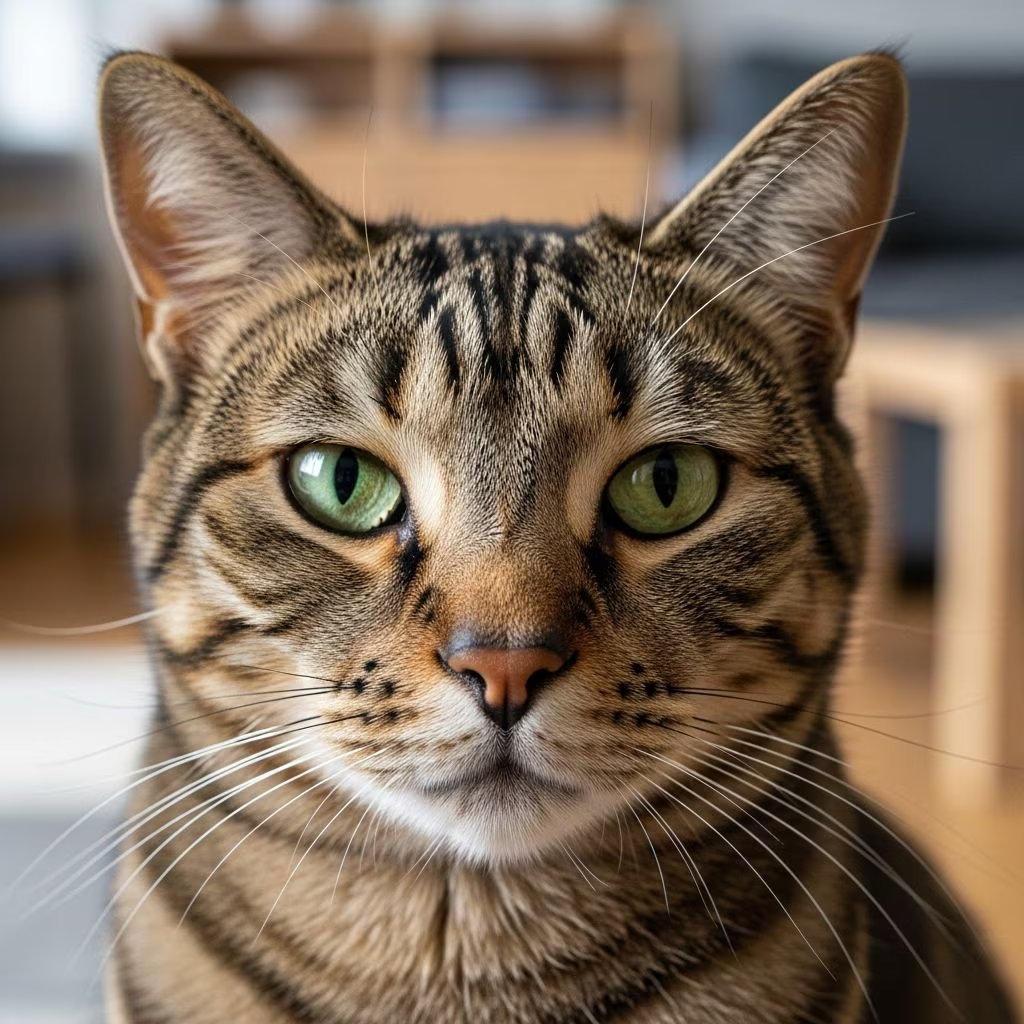
Why Is My Cat’s Nose Dry? A Complete Veterinary Guide
If you’ve noticed your cat’s nose is dry, you’re not alone in wondering what this means. A cat’s nose can reveal important information about their overall health and hydration status. While a dry nose isn’t always cause for concern, understanding the potential causes and knowing when to seek veterinary care is essential for every cat owner.
Many pet parents assume that a cat’s nose should always be wet and moist, but the reality is more nuanced. Each cat’s nose is unique, and not all cat noses have obvious wetness to them. However, when a cat’s nose appears consistently dry, cracked, red, or raw, it may indicate an underlying condition that requires attention.
Understanding Normal Variations in Cat Noses
Before diving into health concerns, it’s important to recognize that a cat’s nose can naturally vary in moisture throughout the day. Several benign factors can temporarily affect your cat’s nose moisture level:
- Sleep and rest: Your cat’s nose may appear drier immediately after waking up or after a long nap.
- Environmental conditions: Warm or dry indoor environments, especially near heating vents or in sunny spots, can temporarily dry out a cat’s nose.
- Grooming behavior: Cats frequently lick their noses and faces during grooming, which can remove natural moisture and cause temporary dryness.
- Air circulation: Poor air circulation in your home can contribute to drier nasal passages.
- Age factor: Senior cats naturally tend to have drier noses than younger, healthier cats, even when they’re perfectly fine.
Common Benign Causes of Dry Noses
In many cases, a dry cat nose doesn’t indicate a serious problem. Understanding these common, non-serious causes can help you determine when home care is appropriate versus when veterinary attention is needed.
Dehydration
One of the most prevalent causes of a dry nose in cats is dehydration. Cats are notorious for not drinking enough water, especially if they eat primarily dry kibble. Dehydration occurs when your cat doesn’t consume adequate fluids or loses excessive moisture through vomiting and diarrhea.
To help prevent dehydration, ensure your cat always has access to fresh, clean water. Some cats prefer running water from fountains, which can encourage drinking. Additionally, incorporating wet or canned food into your cat’s diet increases overall fluid intake.
Sun Exposure and Sunburn
Just like humans, cats can suffer from sunburn, particularly those with white or light-colored fur and pink noses. Sun damage can cause the nose to become inflamed, dry, and crusty. Cats that spend time outdoors or near sunny windows are more susceptible to this condition, especially in regions with high UV radiation.
To protect your cat from sunburn, limit outdoor exposure during peak sun hours and consider using cat-safe sunscreen on vulnerable areas. A small amount of coconut oil can also help ease discomfort from sun-damaged noses.
Medical Conditions Associated with Dry Noses
While some causes are harmless, a persistent dry nose can indicate an underlying medical condition requiring professional treatment. If your cat’s dry nose accompanies other symptoms or doesn’t improve with home care, veterinary examination is essential.
Breed-Specific Conditions
Certain cat breeds are predisposed to skin conditions affecting the nose and face. Persian cats frequently develop idiopathic facial dermatitis, which causes the facial skin and nose to appear dirty and dry. Bengal cats are known to develop ulcerative nasal dermatitis, an inflammation specifically affecting the nose. If you own a breed prone to these conditions, discuss preventive measures with your veterinarian.
Fungal Infections
Ringworm is a fungal infection that commonly affects the face, ears, paws, and tail in cats. This infection can cause dry, crusty patches on the nose and surrounding areas. Ringworm is contagious and requires prompt treatment with topical or oral antifungal medications.
Bacterial Infections
Bacterial infections can develop following a minor wound or as part of a broader skin infection. These infections may cause the nose to appear dry, crusty, or inflamed. Treatment typically involves topical or oral antibiotics prescribed by your veterinarian.
Viral Infections
Several viral infections in cats can lead to dry, irritated noses:
- Feline herpesvirus-1 (FHV-1): A common virus causing upper respiratory symptoms, sneezing, and eye and nose discharge. Skin inflammation on the face is relatively rare but can occur.
- Calicivirus: Another common respiratory virus that can cause oral problems like gingivitis and stomatitis alongside respiratory symptoms.
- Viral papilloma: This virus creates firm, crusty growths on the skin that may appear on or near the nose.
Upper Respiratory Infections and Chronic Rhinitis
A cat cold or upper respiratory infection (URI) can cause chronic nasal discharge, which paradoxically dries out the nose. Chronic rhinitis involves persistent inflammation of the nasal passages. While simple URIs typically resolve within a week, veterinary treatment can alleviate symptoms and prevent complications.
Autoimmune and Inflammatory Conditions
Certain autoimmune diseases can cause significant nose and facial problems in cats:
- Eosinophilic granuloma complex: This condition results from an overactive immune system and typically affects the lips, though it may extend to the nose.
- Pemphigus foliaceus: An autoimmune condition causing crusty skin inflammation that predominantly occurs on the face, ears, and underneath areas.
Lack of Tear Production
Tears from the eyes naturally connect with and moisturize the nose. If your cat isn’t producing adequate tears, it can result in a very dry nose. This condition requires evaluation and treatment from your veterinarian to address the underlying cause.
Warning Signs Requiring Immediate Veterinary Care
While a mildly dry nose may not be urgent, certain symptoms warrant prompt veterinary evaluation:
- Dry, cracked, or raw nose that persists for more than a few days
- Redness, swelling, or unusual appearance of the nose
- Crusty or oozing lesions on the nose or face
- Excessive or discolored nasal discharge
- Fur loss or crusty skin lesions elsewhere on the body
- Sneezing or chronic coughing
- Decreased activity level or lethargy
- Loss of appetite
- Fever or elevated body temperature
- Eye discharge or squinting
Treatment Options for Dry Cat Noses
Home Remedies for Mild Cases
For cats with mildly dry noses, several safe home treatments can provide relief:
Petroleum jelly and skin protectants: Over-the-counter petroleum jelly or petrolatum skin protectants can help moisturize a mildly dry nose. Apply a thin layer several times daily. It’s safe if your cat licks it off, as these products are non-medicated. Remember that more product doesn’t mean better results—a thin application is sufficient.
Coconut oil: A small amount of coconut oil is considered safe and can ease discomfort from a sore nose, particularly from sunburn.
Increased water intake: While drinking more water won’t directly treat an irritated nose, ensuring proper hydration supports overall health and immune function.
Veterinary Treatment Options
When home remedies aren’t sufficient or underlying conditions are present, your veterinarian may recommend:
- Topical antibacterial and antifungal ointments for specific infections
- Oral antibiotics for bacterial infections
- Oral antiviral medications (such as famciclovir) for herpesvirus infections
- Vitamin E supplementation (topical or oral) to support skin health
- Medicated creams or ointments for autoimmune conditions
- Surgery or removal procedures for polyps, tumors, or foreign objects
Prevention Strategies for Healthy Cat Noses
Maintaining your cat’s nose health involves several proactive measures:
- Vigilant parasite control: Regular flea, tick, and worm prevention reduces skin problems that can affect the nose.
- Quality nutrition: Feed a high-quality premium cat food that supports skin and coat health.
- Avoid human products: Never use human shampoos or skin products on your cat, as these can irritate sensitive facial skin.
- Environmental control: Maintain appropriate humidity levels in your home, provide good air circulation, and limit exposure to extreme temperatures.
- Vaccinations: Keeping your cat current on vaccinations significantly reduces respiratory infection risks.
- Regular grooming: Gentle brushing helps you notice changes in your cat’s skin and coat early.
Frequently Asked Questions About Cat Dry Noses
Q: Is a dry nose always a sign of illness in cats?
A: No, not always. A dry nose can result from benign factors like sleeping, being near a heat source, or grooming. However, a persistently dry, cracked, or raw nose may indicate an underlying condition requiring veterinary evaluation.
Q: Should I be concerned if my indoor cat has a dry nose?
A: Indoor cats can experience dry noses from environmental factors like heating systems, poor air circulation, or dehydration. Monitor for other symptoms, and consult your veterinarian if the dryness persists or worsens.
Q: Can I use my own moisturizing cream on my cat’s nose?
A: No, human moisturizing products may contain ingredients harmful to cats. Stick to veterinarian-approved options like petroleum jelly or cat-safe coconut oil.
Q: How often should I apply petroleum jelly to my cat’s dry nose?
A: You can safely apply petroleum jelly several times daily. Use only a thin layer, as larger quantities don’t provide additional benefit and may cause mess.
Q: When should I take my cat to the vet for a dry nose?
A: Seek veterinary care if your cat has a dry nose accompanied by redness, cracking, discharge, other skin lesions, behavioral changes, or loss of appetite.
Q: Can diet affect my cat’s nose moisture?
A: Yes, diet can influence hydration status. Cats eating primarily dry kibble should be encouraged to drink more water. Adding wet or canned food increases fluid intake naturally.
Q: Is a dry nose common in older cats?
A: Yes, senior cats naturally tend to have drier noses than younger cats, even when they’re completely healthy. However, always monitor for other concerning symptoms.
When to Contact Your Veterinarian
Make an appointment with your veterinarian if your cat’s dry nose persists beyond a few days, is accompanied by other symptoms, or if you notice any of the warning signs mentioned above. Your veterinarian can perform a thorough examination, run necessary tests, and determine the underlying cause. Early detection and treatment of nose-related health issues can prevent complications and ensure your cat remains comfortable and healthy.
Remember that while a dry nose can sometimes be nothing to worry about, your cat cannot tell you what’s wrong. When in doubt, it’s always better to err on the side of caution and have your feline friend evaluated by a professional.
References
- Cat Dry Nose: Causes and How to Help — Great Pet Care. https://www.greatpetcare.com/cat-health/cat-dry-nose-causes-and-how-to-help/
- Why Is My Cat’s Nose Dry and Cracked? Top 5 Reasons — Cats.com. https://cats.com/why-is-my-cats-nose-dry-and-cracked
- Why Is My Cat’s Nose Dry? — Petcube. https://petcube.com/blog/why-is-my-cats-nose-dry/
- Why is My Cat’s Nose Dry? Experts Answer — Purina US. https://www.purina.com/articles/cat/health/symptoms/cat-nose-dry
- Reasons Why Your Cat’s Nose is Dry — Hill’s Pet Nutrition. https://www.hillspet.com/cat-care/healthcare/why-cats-nose-is-dry



