

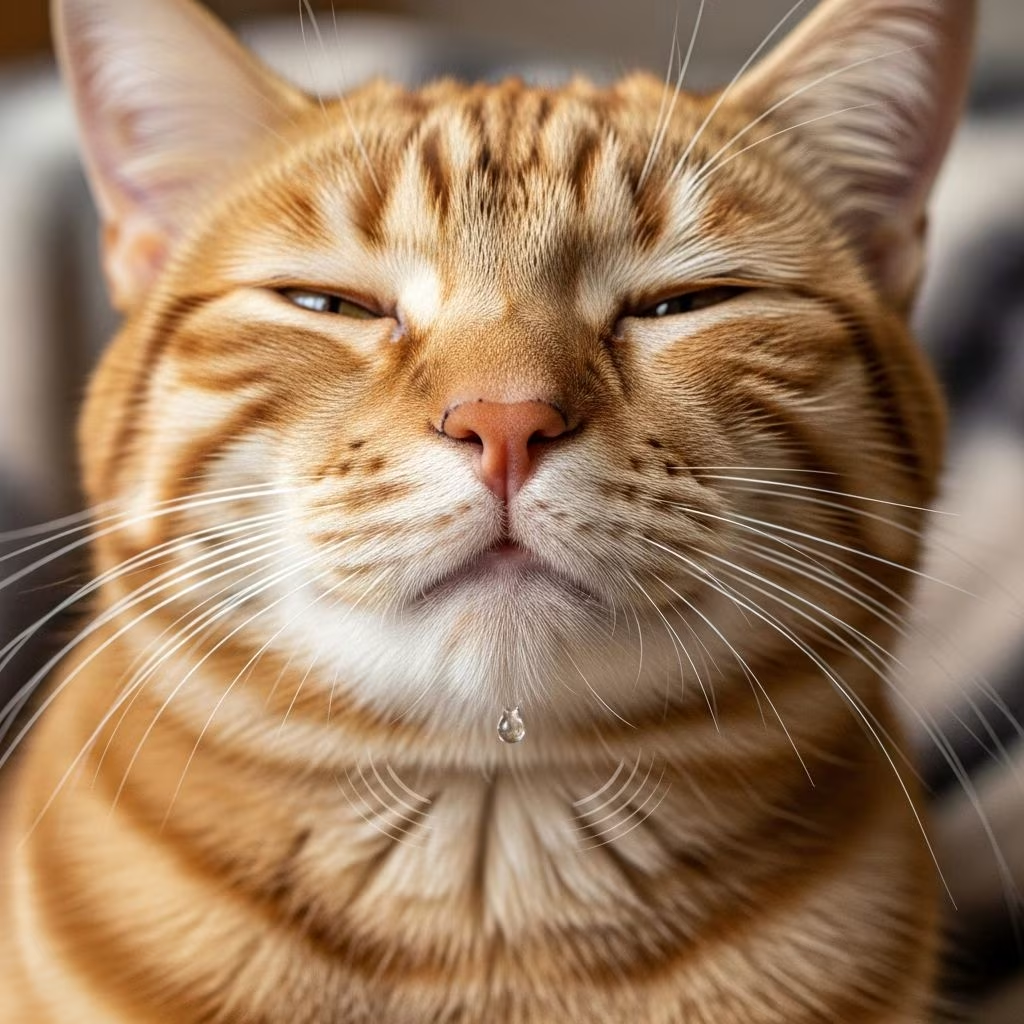
Observing your cat’s nose dripping while they purr can be puzzling. This behavior, though not universal, occurs in some cats during moments of contentment, often starting from kittenhood. A wet nose during intense purring might simply result from physiological responses, but it warrants observation. If the discharge is clear and occasional, paired with purring and kneading, it may indicate pleasure. However, excessive, colored, or persistent dripping, especially with other symptoms, signals potential health issues requiring veterinary evaluation.
Cat noses naturally produce moisture for scent detection, but dripping during purring suggests specific triggers. Understanding these helps distinguish benign quirks from problems like infections or allergies. This guide covers the primary causes, symptoms, and action steps, drawing from veterinary insights to empower cat owners.
The 3 Reasons Why Cats’ Noses May Get Wet When They Purr
Several factors explain nasal dripping during purring. Below are the top three vet-reviewed reasons, each with distinct characteristics and implications.
1. Drippy Noses May Be Drool-Related
Many cats drool when extremely content, such as during petting or anticipation of food. This salivation can extend to the nose, creating a dripping effect. Kittens often knead and drool while nursing, a behavior persisting into adulthood as a pleasure response. Purring amplifies this, with vibrations possibly mobilizing saliva toward the nasal passages.
Though not scientifically pinpointed, anecdotal evidence from vets notes drooly cats exhibiting nasal wetness during purring sessions. If your cat has always done this without other signs, it’s likely harmless. Monitor for patterns: does it coincide with kneading or mealtime excitement? Distinguishing drool from true nasal discharge involves checking consistency—drool is thicker and saliva-like.
- Common triggers: Petting, chin scratches, or food anticipation.
- Age factor: More noticeable in older cats with established habits.
- Observation tip: Gently wipe the nose; if it’s saliva-scented, drool is probable.
2. It Could Be a Sign of an Upper Respiratory Illness
Purring and dripping may coincide unintentionally if an upper respiratory infection (URI), akin to feline flu, is present. URIs, caused by viruses like feline herpesvirus or calicivirus, are highly contagious among cats. Symptoms include sneezing, eye discharge, congestion, lethargy, fever, reduced appetite, and oral ulcers. Nasal discharge starts clear but turns thick, yellow, or green with bacterial involvement.
These infections spread via direct contact or shared environments. Dental disease, nasal polyps, tumors, or foreign bodies can mimic or complicate URIs. Prompt vet visits are crucial; diagnostics like X-rays or endoscopy may be needed. Treatments range from supportive care (fluids, antibiotics) to antivirals. Untreated cases risk pneumonia or chronic rhinitis.
| Symptom | Benign (Drool-Related) | URI Concern |
|---|---|---|
| Nasal Discharge | Clear, minimal, during purring only | Persistent, colored, with sneezing |
| Behavior | Happy, active, purring/kneading | Lethargic, poor appetite |
| Duration | Episodic | Ongoing or worsening |
3. It May be Due to an Environmental Allergy or Irritation
Allergies to pollen, dust, or mold can cause nasal discharge, sneezing, or watery eyes in cats, though skin itching is more common. Irritants like smoke, cleaners, or perfumes provoke similar responses by inflaming nasal passages. Purring might exacerbate dripping by increasing airflow or vibrations.
Unlike dogs, feline allergies rarely cause profuse runny noses alone but combine with respiratory signs. Identify triggers by noting timing—seasonal for pollen, constant for dust. Vets may recommend allergy testing or environmental changes. Chronic exposure leads to secondary infections.
- Pollen allergies: Spring/summer spikes, with grass or tree exposure.
- Irritants: Household chemicals; ventilate and switch products.
- Management: Air purifiers, hypoallergenic bedding, hypoallergenic diets if food-related.
Other Potential Causes of Runny Nose in Cats
Beyond purring-specific triggers, consider these:
- Dental Issues: Tooth root abscesses cause unilateral discharge.
- Foreign Bodies: Grass blades lodged in nostrils lead to sneezing/discharge.
- Polyps/Tumors: Nasal masses obstruct passages, often bloody discharge.
- Trauma: Injuries from fights or falls.
- Chronic Rhinitis: Persistent inflammation post-URI.
Each requires vet diagnostics for tailored treatment.
When to See a Vet for Your Cat’s Drippy Nose
Not all drippy noses demand immediate care, but vigilance is key. Seek a vet if:
- Discharge is yellow/green, bloody, or crusty.
- Accompanied by sneezing, coughing, eye issues, or breathing difficulty.
- Your cat shows lethargy, appetite loss, or fever.
- Symptoms persist >24-48 hours or are new for an adult cat.
- Open-mouth breathing or blue gums—emergency!
Early intervention prevents complications. Vets may perform exams, cultures, imaging, or bloodwork. Home care like steam nebulization or humidifiers aids mild cases but doesn’t replace professional advice.
Tips for Managing and Preventing Cat Nose Dripping
Proactive steps maintain respiratory health:
- Vaccinate: Core vaccines protect against calicivirus/herpesvirus.
- Clean Environment: Dust-free litter, no smoke/perfumes.
- Monitor Diet: High-quality food reduces allergies.
- Regular Checkups: Annual vet visits catch issues early.
- Humidify: Use humidifiers in dry climates.
For drool-related cases, enjoy the affection—it’s a compliment!
Frequently Asked Questions (FAQs)
Are Runny Noses a Sign of Poor Health?
Runny noses signal allergies, infections, dental issues, or dental illness, but clear discharge with purring/drooling is often benign. Colored, frequent discharge with illness signs needs vet care. Respiratory distress is an emergency.
Should I Be Concerned if the Nasal Discharge Changes Color?
Yes, colored discharge (yellow, green, bloody) indicates infection or inflammation requiring veterinary attention.
What Other Symptoms Should I Watch for if My Cat Has a Runny Nose?
Sneezing, coughing, eye discharge, lethargy, appetite loss, fever, or breathing issues suggest serious problems.
Can Allergies Cause a Cat’s Nose to Run?
Yes, environmental allergens trigger nasal discharge, often with sneezing or itching; vets can test and advise.
My Cat Has a Runny Nose When Purring. What Does It Imply?
If isolated to purring with a healthy appearance, it may activate sweat glands or relate to drool—normal. Monitor for changes.
How to Treat a Kitten with Runny Nose and Eyes?
Treatment targets the cause (e.g., antibiotics for bacterial); supportive care includes cleaning and fluids. See a vet promptly.
Last Thoughts
A dripping nose during purring delights many owners as a sign of bliss, especially if longstanding and symptom-free. However, new or worsening cases merit vet scrutiny to rule out infections, allergies, or worse. Prioritize your cat’s health with observation and professional guidance for a happy, purring companion.
References
- Why Is My Cat’s Nose Dripping When Purring? 3 Vet-Reviewed Reasons — Catster Veterinary Team. 2023-10-15. https://www.catster.com/cat-health-care/why-is-my-cats-nose-dripping-when-purring/
- My Cat’s Nose Keeps Dripping Clear Liquid — Dial a Vet. 2024-05-20. https://www.dialavet.com/vet-answers/cat-nose-dripping-clear-liquid-normal-140177
- Runny Nose in Cats — Petcube. 2023-08-12. https://petcube.com/blog/runny-nose-in-cats/
- Feline Rhinitis: Causes, Symptoms, And Treatments — Trudell Animal Health. 2024-02-28. https://trudellanimalhealth.com/blogs/blog/feline-rhinitis-causes-symptoms-and-treatments
- Upper Respiratory Infections in Cats (URIs) — Cornell University College of Veterinary Medicine. 2025-01-10. https://www.vet.cornell.edu/departments-centers-and-institutes/cornell-feline-health-center/health-information/feline-health-topics/upper-respiratory-infections-uris



