

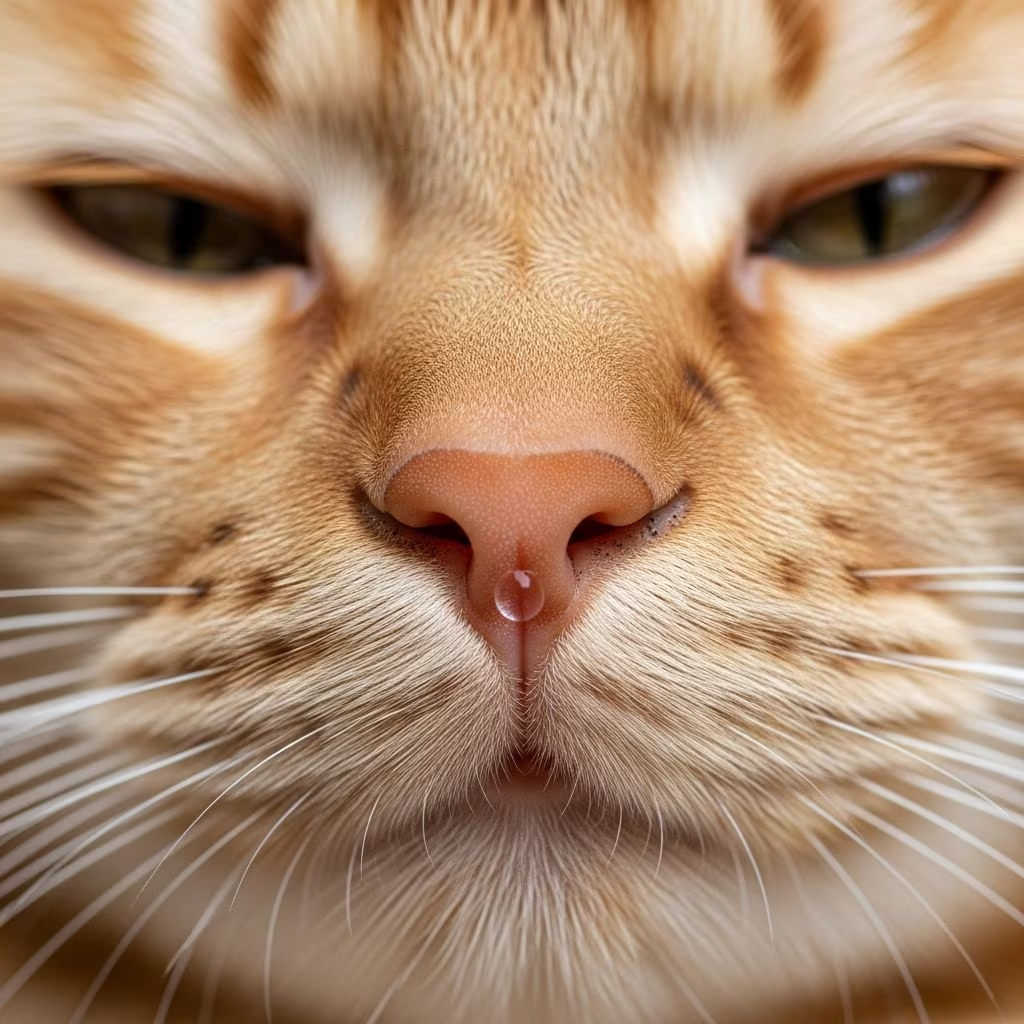
Your cat’s contented purring often comes with an unexpected surprise: a dripping nose. While it might seem odd, this phenomenon has several explanations ranging from benign relaxation responses to signs of underlying health issues. Understanding the difference between normal moisture and problematic discharge is crucial for every cat owner. This comprehensive guide breaks down the possible causes, symptoms to watch for, diagnostic steps, and treatment options to help you decide if it’s time to call the vet.
A cat’s nose is naturally moist to aid in scent detection, as odorous molecules stick better to wet surfaces. Purring vibrations can sometimes enhance this moisture, leading to visible drips in relaxed states. However, if the discharge is colored, persistent, or paired with other symptoms, it warrants attention. We’ll explore all angles to empower you with knowledge.
The 7 Possible Reasons Your Cat’s Nose Is Dripping When They Purr
Cat nasal discharge during purring can stem from physiological quirks or medical conditions. Here’s a detailed look at the most common culprits, supported by veterinary insights.
1. Sign of Contentment and Relaxation
One of the most reassuring reasons is pure bliss. Some cats produce excess saliva or nasal moisture when deeply relaxed, especially during petting sessions accompanied by purring. The vibrations from purring may stimulate salivary glands or sweat glands around the nose, causing clear, watery drips. This is common in cats that start drooling young and often indicates happiness rather than distress.
Observe your cat: if they’re rubbing against you, kneading, and the drip is clear and minimal, it’s likely harmless. Wipe it gently with a soft cloth and enjoy the bonding moment. Differentiate this from true nasal discharge—drool is thicker and often hangs from the mouth, while contentment-related nose wetness is thin and clear.
2. Environmental Allergens or Irritants
Cats can react to airborne particles, leading to rhinitis or allergic responses. Common triggers include dust mites, pollen, mold, grasses, litter dust, mildew, smoke, or cleaning products. Unlike humans, cats more often show skin itching from allergies, but nasal discharge and sneezing can occur, especially during purring when breathing patterns change.
Feline asthma or allergic bronchitis involves immune responses to inhalants, causing mucus buildup and inflammation in airways. Symptoms may worsen seasonally or after exposure. If your cat’s drip coincides with new household changes, consider allergens. Veterinary allergy testing or environmental adjustments like hypoallergenic litter can help.
3. Upper Respiratory Infections (URIs)
Viruses top the list for infectious causes. Feline herpesvirus (FVR) and feline calicivirus are highly contagious, targeting the upper respiratory tract and causing clear-to-purulent nasal discharge, sneezing, and watery eyes. These often flare up in multi-cat homes, shelters, or during stress.
Bacterial secondary infections like Chlamydia or Bordetella exacerbate symptoms, adding thick, colored discharge. Purring might mobilize mucus, making drips noticeable. Chronic URIs can persist lifelong, with flare-ups triggered by stress. Vaccination reduces severity, but doesn’t prevent all cases.
4. Foreign Bodies in the Nasal Cavity
Curious cats sniff everything, sometimes lodging grass blades, thorns, spikelets, or wool fibers in their nostrils. This unilateral discharge (one nostril) often includes sneezing and pawing at the face. Purring vibrates the blockage, prompting drips.
Diagnosis usually requires sedation for removal and imaging like X-rays or rhinoscopy. Early intervention prevents secondary infections.
5. Dental or Oral Problems
Tooth root abscesses, periodontal disease, or oral ulcers (common with calicivirus) can cause nasal discharge via connections between mouth and nasal passages. Bad breath, drooling, or reluctance to eat hard food accompanies this. Purring may force pus or saliva through sinuses.
Dental cleanings and extractions resolve most cases. Regular check-ups catch issues early.
6. Nasal Polyps, Tumors, or Chronic Rhinitis
Benign nasal polyps or malignant tumors obstruct passages, leading to chronic discharge. Feline rhinitis, often post-URI scarring, causes persistent mucus. Older cats are prone; symptoms include noisy breathing and facial deformity in advanced stages.
CT scans or biopsies confirm. Surgery or radiation treats polyps/tumors; rhinitis management includes nebulization.
7. Other Causes: Trauma, Pneumonia, or Toxins
Head trauma, pneumonia, or toxin exposure (e.g., smoke) can manifest as dripping noses. Fungal infections like cryptococcosis are rare but serious in humid areas. These demand urgent vet care.
Symptoms to Watch For: When It’s More Than Just Purring
Not all drips are equal. Monitor for red flags:
- Colored discharge (yellow, green, bloody, or thick)—indicates infection.
- Sneezing, coughing, eye discharge, or fever.
- Lethargy, appetite loss, or dehydration.
- Unilateral drip or face pawing—suggests foreign body.
- Breathing difficulties or open-mouth breathing.
Clear, bilateral drips during purring alone in a healthy cat are usually fine. Sudden onset or new behaviors merit a vet visit.
Diagnosis: What to Expect at the Vet
Vets start with history and exam, checking discharge color/consistency. Tests include:
| Test | Purpose |
|---|---|
| Swabs/Cultures | Identify infections. |
| Bloodwork | Rule out systemic issues. |
| Imaging (X-ray, CT) | Detect polyps, tumors, foreign bodies. |
| Rhinoscopy | Visualize nasal cavity. |
| Allergy Testing | Confirm environmental triggers. |
Early diagnosis improves outcomes, especially for contagious URIs.
Treatment Options for Dripping Nose in Cats
Tailored to cause:
- Contentment: No treatment; monitor.
- Allergies: Remove triggers, antihistamines, or immunotherapy.
- Infections: Antibiotics, antivirals, supportive care (fluids, nebulization).
- Foreign Bodies: Removal under sedation.
- Dental: Extractions/cleaning.
- Polyps/Tumors: Surgery, chemo.
- Rhinitis: Anti-inflammatories, saline rinses.
Home care: Keep nose clean, humidify air, ensure hydration. Isolate from other cats if infectious.
Prevention Tips for a Healthy Cat Nose
Proactive steps reduce risks:
- Vaccinate against herpesvirus, calicivirus, chlamydia.
- Use low-dust litter; avoid strong scents.
- Regular dental checks and cleanings.
- Minimize stress with enrichment.
- Annual vet exams for early detection.
Frequently Asked Questions (FAQs)
Is it normal for my cat’s nose to drip when purring?
Yes, if clear and only during relaxation; it may indicate contentment via activated glands.
Can allergies cause a cat’s nose to run while purring?
Yes, though less common than skin signs; irritants trigger mucus during vibrated breathing.
What if the discharge is yellow or green?
This signals bacterial infection; see a vet promptly.
Does purring make nasal discharge worse?
Vibrations can mobilize mucus, making drips more visible.
Should I worry about a one-sided runny nose?
Yes, possible foreign body or tumor; seek vet evaluation.
Conclusion
A dripping nose during purring can be your cat’s way of saying ‘I’m happy’ or a subtle health alert. While contentment is common and harmless, vigilance for symptoms like colored discharge or lethargy is key. Consult your vet for personalized advice, ensuring your purring pal stays healthy and drip-free. Regular care and quick action make all the difference in feline wellness.
References
- Why Is My Cat’s Nose Dripping When They Purr? 5 Vet-Reviewed Reasons — Hepper. 2023. https://articles.hepper.com/why-cats-nose-dripping-when-they-purr/
- My cat’s nose keeps dripping clear liquid, more so when she’s purring — Dialavet. 2024. https://www.dialavet.com/vet-answers/cat-nose-dripping-clear-liquid-normal-140177
- Runny Nose in Cats — Petcube. 2023. https://petcube.com/blog/runny-nose-in-cats/
- My cat has a runny nose: why and what should I do? — Ziggy Family. 2024. https://ziggyfamily.com/en/blogs/cats/my-cat-has-a-runny-nose-why-and-what-should-i-do
- Feline Rhinitis: Causes, Symptoms, And Treatments — Trudell Animal Health. 2024. https://trudellanimalhealth.com/blogs/blog/feline-rhinitis-causes-symptoms-and-treatments



