

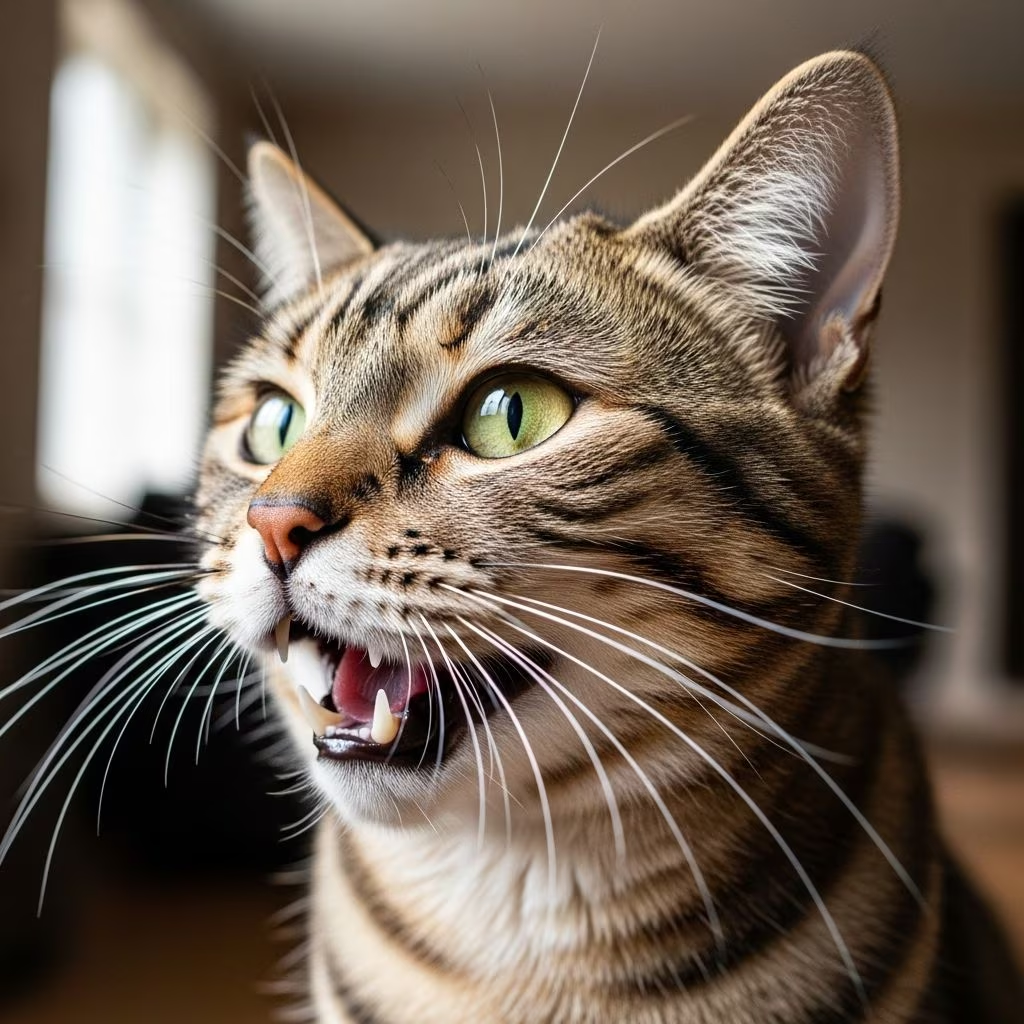
Jaw clicking or teeth grinding in cats is a noticeable behavior that can stem from various underlying issues, ranging from common dental problems to serious joint disorders. While occasional sounds might not be alarming, persistent clicking, especially when paired with pain, drooling, or refusal to eat, requires prompt veterinary attention to prevent complications like weight loss or dehydration.
This comprehensive guide breaks down the primary causes of cat jaw clicking, including oral health issues and temporomandibular joint (TMJ) disorders, their symptoms, potential triggers, and steps for diagnosis and management. Understanding these can help you act swiftly to restore your cat’s comfort and quality of life.
Oral Issues Causing Jaw Clicking
Oral problems are among the most frequent culprits behind a cat’s jaw clicking, as pain or discomfort in the mouth prompts involuntary grinding or chattering movements. Conditions affecting the teeth and gums can make eating painful, leading to audible jaw sounds during attempts to chew or even at rest.
Veterinarians often identify these issues through physical exams, dental X-rays, and sometimes CT scans, as many problems are visible during routine check-ups. Early intervention is crucial, as untreated oral diseases can lead to tooth loss, infections, and systemic health impacts.
1. Feline Tooth Resorption
Feline tooth resorption (also called odontoclastic resorptive lesions) is a prevalent and painful condition affecting up to 75% of cats over five years old, where the dentin—the hard tissue beneath the enamel—erodes, leading to tooth fragility and breakage. This erosion can expose nerves, causing severe pain that manifests as jaw clicking, chattering, or grinding.
- Jaw clicking or chattering: Often heard as a rapid, involuntary lower jaw movement, signaling acute discomfort.
- Avoiding hard food: Cats may drop kibble or prefer soft foods due to pain.
- Excessive drooling: Saliva production increases from irritation.
- Behavioral changes: Reduced activity, pawing at the mouth, or vocalizing in pain.
Diagnosis typically involves dental radiographs, as lesions may not be visible externally until advanced. Treatment usually requires extraction of affected teeth, which resolves pain and prevents further resorption—full recovery is common post-procedure. Research links possible causes to calcium metabolism issues, chronic calicivirus, or autoimmune responses, though the exact etiology remains unclear.
2. Tooth Alignment (Malocclusion)
Malocclusion occurs when a cat’s teeth are misaligned, causing the upper and lower jaws to not meet properly. This mismatch can produce clicking sounds as the jaw attempts to adjust during chewing or yawning.
Cats with malocclusion may experience uneven wear on teeth, leading to fractures or further misalignment. Congenital factors or injuries contribute, and while mild cases might not require intervention, severe ones can cause chronic discomfort. Veterinary orthodontics or extractions may be recommended based on severity.
3. Other Oral Issues
Beyond resorption and alignment problems, various oral pathologies can trigger jaw clicking, including ulcers, bacterial infections (like stomatitis), periodontal disease, loose or broken teeth, and even oral cancer. These conditions inflame the mouth tissues, prompting grinding as a response to pain or foreign sensations.
- Infections and ulcers: Cause swelling and sensitivity, leading to clicking and reluctance to eat.
- Cancer: Rare but serious; tumors in the mouth or jaw can distort movement and produce grinding sounds.
- Foreign objects: Stuck debris might irritate, mimicking other issues.
Approximately 85% of grinding-related oral diseases are detectable via standard exams, but imaging confirms hidden problems like abscesses. Immediate vet visits are essential, as infections can spread systemically.
The Temporomandibular Joint (TMJ)
The temporomandibular joint (TMJ), located on each side of the cat’s head where the mandible (lower jaw) connects to the skull, enables essential functions like chewing, yawning, and speaking. Dysfunction here—known as TMJ disorder—directly causes clicking, popping, or grinding noises due to improper joint movement.
TMJ issues significantly impair a cat’s ability to eat, potentially leading to malnutrition if unaddressed. These disorders are painful and multifaceted, often requiring advanced diagnostics like X-rays or MRIs for accurate assessment.
Signs of Temporomandibular Joint Disorders
TMJ disorders present with distinct symptoms beyond just clicking, helping owners differentiate from purely dental issues. Watch for these indicators:
- Difficulty opening/closing mouth: Jaw locking or limited range of motion.
- Jaw shifting: Side-to-side misalignment or deviation.
- Muscle atrophy: Wasting around the face or deformities.
- Appetite loss: Refusal to eat/drink, causing weight loss and dehydration.
- Excessive drooling and pawing: At the face due to pain.
- Vocalizing more: Meowing or growling from discomfort.
- Swelling or pain: Around the jaw; reluctance to chew.
- Behavioral shifts: Irritability, withdrawal, or changes in eating habits.
If clicking accompanies any of these, it’s a red flag—cats hide pain well, so subtle signs matter.
What Causes Temporomandibular Joint Disorder?
TMJ disorders in cats arise from diverse etiologies, not all fully understood, complicating treatment. Common causes include:
- Trauma: Fractures, luxations (dislocations), or subluxations from falls, fights, or accidents—open-mouth jaw locking is typical.
- Congenital defects: Birth abnormalities affecting joint structure.
- Infections and inflammation: Arthritis, masticatory muscle myositis (muscle swelling), or bacterial spread.
- Cancer or tumors: Growths disrupting joint function.
- Ankylosis: Joint fusion from chronic trauma or infection, preventing mouth opening.
Luxation episodes can recur, worsening without care; ankylosis demands surgical intervention.
Diagnosis and Treatment Overview
Veterinary evaluation starts with a thorough oral exam, history review, and observation of jaw movement. Diagnostics may include:
| Test | Purpose |
|---|---|
| Dental X-rays/CT | Detect resorption, fractures, tumors |
| TMJ Imaging (MRI) | Assess joint luxation or arthritis |
| Bloodwork/Biopsy | Rule out infections or cancer |
Treatments vary: extractions for dental issues, pain meds/surgery for TMJ (e.g., joint stabilization). Prognosis improves with early detection.
Frequently Asked Questions (FAQs)
Is cat jaw clicking always serious?
Not always, but when combined with drooling, appetite loss, or pain, it signals a problem needing vet evaluation—ignore at your peril.
Can stress cause jaw clicking in cats?
Stress alone rarely causes clicking; it’s typically pain-related, though anxiety might exacerbate chewing behaviors.
How do I know if it’s TMJ or dental?
TMJ often involves jaw locking/swelling; dental shows mouth-specific pain. Vets differentiate via exams.
Can home remedies fix jaw clicking?
No—avoid DIY; professional diagnosis prevents worsening. Soft food temporarily helps, but see a vet promptly.
Final Thoughts
Cat jaw clicking warrants vigilance, as it often indicates painful conditions like feline tooth resorption or TMJ disorders. Monitor for accompanying symptoms and consult a vet for tailored diagnostics and relief—prompt action ensures your cat’s pain-free munching and play. Regular dental check-ups prevent many issues.
References
- Why Is My Cat’s Jaw Clicking? Vet-Approved Explanation! — Catster. 2023. https://www.catster.com/cat-behavior/why-is-my-cats-jaw-clicking/
- Why is my cat constantly clicking her mouth open like it’s involuntary? — Dial A Vet. 2024. https://www.dialavet.com/vet-answers/cat-clicking-mouth-involuntary-concern-143635
- Temporomandibular Joint (TMJ) Disease in Cats — Texas Veterinary Dental Center. 2023. https://texasveterinarydentalcenter.com/temporomandibular-joint-tmj-disease-in-cats/
- Temporomandibular Joint Disorders in Cats — WagWalking. 2024. https://wagwalking.com/cat/condition/temporomandibular-joint-disorders
- Temporomandibular Disorder in Cats — Vet and Tech. 2023. https://www.vetandtech.com/resources/common-diseases/cats/temporomandibular-disorder-in-cats
- Cat Teeth Grinding: What You Need to Know — PetMD. 2024-01-14. https://www.petmd.com/cat/general-health/cat-teeth-grinding-what-you-need-know



