

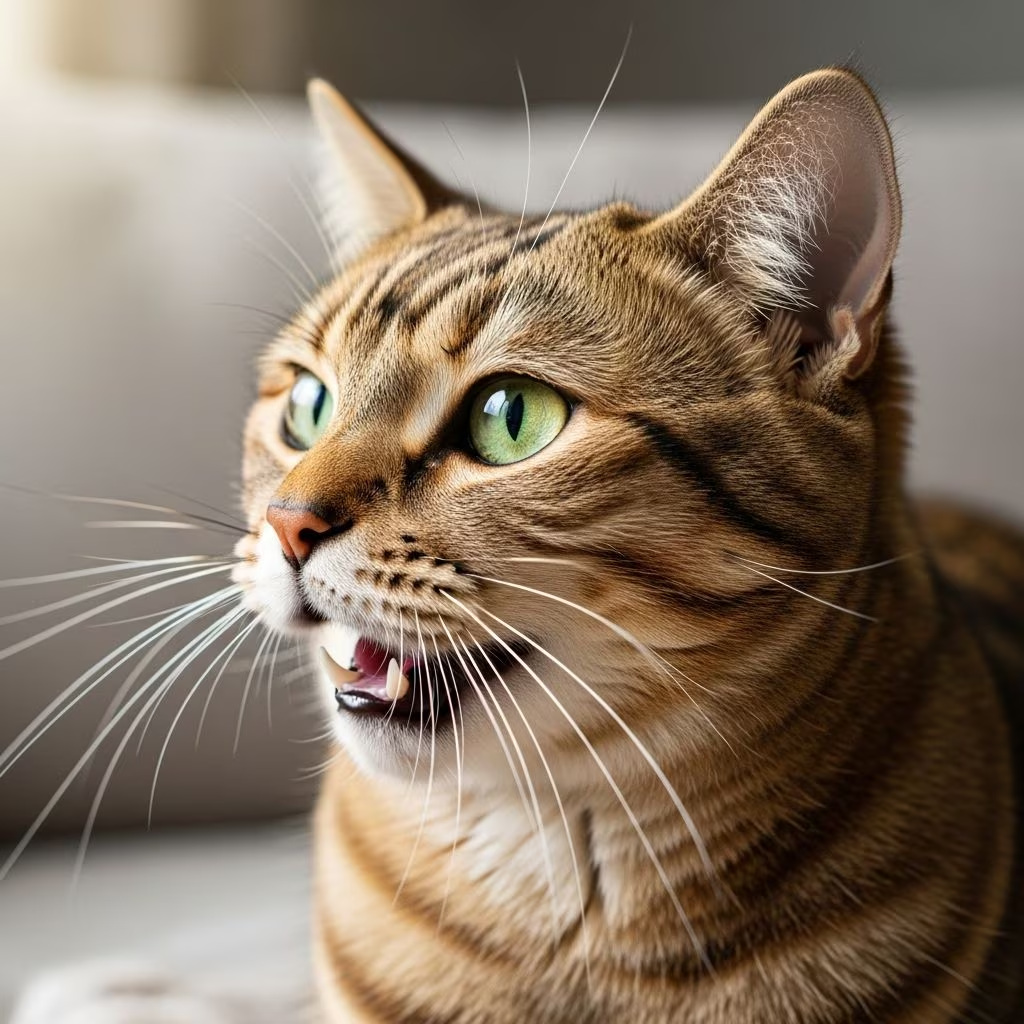
Jaw clicking or tooth grinding in cats is a noticeable behavior that often indicates underlying discomfort, typically related to oral health or jaw joint issues. While occasional sounds might stem from excitement, persistent clicking, especially with signs of pain like drooling or appetite loss, warrants immediate veterinary attention to prevent serious complications.
Cat owners may hear this clicking during eating, yawning, or even at rest, prompting concern about their pet’s well-being. Understanding the potential causes empowers you to act swiftly, potentially saving your cat from prolonged pain and associated health declines such as dehydration or weight loss.
Understanding Jaw Clicking in Cats
Jaw clicking, also known as bruxism or tooth grinding, involves involuntary jaw movements producing audible sounds like scraping, chattering, or pops. This differs from normal chewing noises and often signals pain or mechanical issues in the mouth or temporomandibular joint (TMJ), the hinge connecting the jaw to the skull.
In cats, the TMJ enables essential functions like eating, grooming, and vocalizing. Disruptions here or in the dental structure can lead to compensatory movements, manifesting as clicking. Early detection through observation is key, as cats are adept at hiding pain.
Oral Issues Causing Jaw Clicking
Oral problems are the most common culprits behind a cat’s jaw clicking. Dental diseases cause inflammation, pain, or misalignment, prompting grinding as the cat tries to alleviate discomfort or adjust its bite.
1. Feline Tooth Resorption
Feline tooth resorption (TR) is a prevalent and painful condition affecting up to 75% of cats over age five, where the tooth’s dentin erodes, often leading to root destruction. This triggers jaw clicking as the cat grinds in response to nerve exposure.
- Jaw clicking or grinding: Due to exposed dentin causing acute pain.
- Avoiding hard food: Preference for soft foods to minimize discomfort.
- Excessive drooling: Saliva production increases from irritation.
- Behavioral changes: Reduced activity, pawing at the mouth, or vocalizing.
Diagnosis requires dental X-rays, with treatment typically involving extraction of affected teeth, which resolves pain in most cases.
2. Tooth Alignment (Malocclusion)
Malocclusion occurs when teeth are misaligned, causing improper jaw closure and audible clicks during movement. This congenital or trauma-induced issue prevents normal occlusion, leading to uneven wear and discomfort.
Severe cases may require orthodontic intervention or extractions, but mild malocclusion often needs monitoring to prevent secondary issues like periodontal disease.
3. Other Oral Issues
Additional oral conditions include ulcers, gingivitis, stomatitis, infections, or oral cancer, all capable of inducing jaw clicking through inflammation or tissue damage.
- Ulcers and infections: Cause localized pain, leading to grinding.
- Gingivitis/stomatitis: Widespread inflammation prompts avoidance of chewing.
- Oral tumors: Growths interfere with jaw mechanics, often with foul breath or bleeding.
A comprehensive veterinary oral exam, possibly with biopsies or cultures, identifies these. Antibiotics, anti-inflammatories, or surgery address them effectively.
The Temporomandibular Joint (TMJ)
Beyond teeth, the temporomandibular joint itself can malfunction, producing clicking from luxation, arthritis, or other disorders. The TMJ, formed by the mandible and temporal bone, facilitates jaw mobility; disruptions cause pain and abnormal sounds.
Signs of Temporomandibular Joint Disorders
TMJ disorders present with distinct symptoms beyond clicking, severely impacting quality of life if ignored.
- Inability to open/close mouth fully: Due to luxation or ankylosis.
- Jaw deviation: Side-to-side shifting or locking.
- Muscle atrophy/facial swelling: From disuse or inflammation.
- Appetite loss and weight decline: Pain prevents eating.
- Dehydration and drooling: Inability to drink or swallow properly.
- Excessive face pawing/meowing: Indicators of acute distress.
| Symptom | Associated TMJ Type | Severity |
|---|---|---|
| Jaw locking | Luxation/subluxation | High – requires urgent care |
| Clicking/grinding | Arthritis or early luxation | Moderate |
| Swelling/pain | Infection/tumor | High |
| Drooling/appetite loss | Ankylosis/myositis | High |
What Causes Temporomandibular Joint Disorder?
TMJ issues arise from multiple etiologies, not always fully diagnosable without imaging.
- Trauma: Fractures, dislocations from falls, fights, or carrying heavy objects/kittens.
- Congenital defects: Birth abnormalities in joint structure.
- Infections/arthritis: Bacterial spread or degenerative changes.
- Tumors: Benign or malignant growths compressing the joint.
- Masticatory myositis: Muscle inflammation restricting movement.
Advanced imaging like CT scans confirms causes, with treatments ranging from pain management and joint stabilization to surgery for severe luxations or ankylosis.
When to See a Vet
Monitor for red flags: persistent clicking over days, combined with drooling, facial pawing, eating refusal, or behavioral shifts. Delaying risks fatty liver disease (hepatic lipidosis) from anorexia, a life-threatening condition in cats.
Schedule a vet visit promptly. Expect a full exam, dental radiographs, and possibly TMJ-focused imaging. Treatments may include extractions, antibiotics, pain relief (e.g., buprenorphine), or referrals to veterinary dentists.
Treatment and Management Options
Management tailors to the diagnosis:
- Dental extractions: Gold standard for resorption or severe disease.
- Medications: NSAIDs for inflammation, antibiotics for infections.
- Soft food diets: Eases chewing during recovery.
- Surgical interventions: Joint repair or tumor removal for TMJ cases.
- Follow-up care: Regular dental cleanings prevent recurrence.
Post-treatment, most cats resume normal eating within days to weeks, with clicking resolving upon pain alleviation.
Prevention Tips for Cat Oral Health
Proactive care minimizes risks:
- Annual veterinary dental exams.
- Daily tooth brushing with cat-safe toothpaste.
- Dental diets/toys to reduce plaque.
- Monitor for early signs like bad breath or tartar buildup.
Frequently Asked Questions (FAQs)
Q: Is jaw clicking always a sign of pain in cats?
A: Not always, but persistent clicking often indicates discomfort from dental or TMJ issues. Observe for accompanying symptoms like drooling or appetite changes.
Q: Can stress cause my cat’s jaw to click?
A: Stress rarely causes clicking; it’s more linked to physical pain. However, anxiety might exacerbate bruxism in predisposed cats.
Q: How is feline tooth resorption diagnosed?
A: Via dental X-rays under anesthesia, revealing root erosions invisible to the naked eye.
Q: What if my cat’s jaw locks open?
A: This is a TMJ luxation emergency; seek immediate vet care to manually reduce it and prevent chronic issues.
Q: Are older cats more prone to these problems?
A: Yes, resorption and arthritis increase with age, making senior dental checks essential.
Final Thoughts
Cat jaw clicking merits prompt investigation, as it frequently signals treatable yet painful conditions like tooth resorption or TMJ disorders. By recognizing symptoms and consulting a vet early, you can restore your cat’s comfort and prevent escalation. Regular dental care remains the cornerstone of prevention, ensuring your feline companion thrives pain-free.
References
- Why Is My Cat’s Jaw Clicking? Vet-Approved Explanation! — Catster. 2023-10-12. https://www.catster.com/cat-behavior/why-is-my-cats-jaw-clicking/
- Temporomandibular Joint Disorders in Cats — PetMD. 2024-05-15. https://www.petmd.com/cat/conditions/musculoskeletal/c_ct_temporomandibular_joint_disorders
- Temporomandibular Joint (TMJ) Disease in Cats — Texas Veterinary Dental Center. 2023-08-20. https://texasveterinarydentalcenter.com/temporomandibular-joint-tmj-disease-in-cats/
- Temporomandibular Joint Disorders in Cats – Symptoms, Causes — WagWalking. 2024-02-10. https://wagwalking.com/cat/condition/temporomandibular-joint-disorders
- Temporomandibular Disorder in Cats — Vet and Tech. 2023-11-05. https://www.vetandtech.com/resources/common-diseases/cats/temporomandibular-disorder-in-cats



