

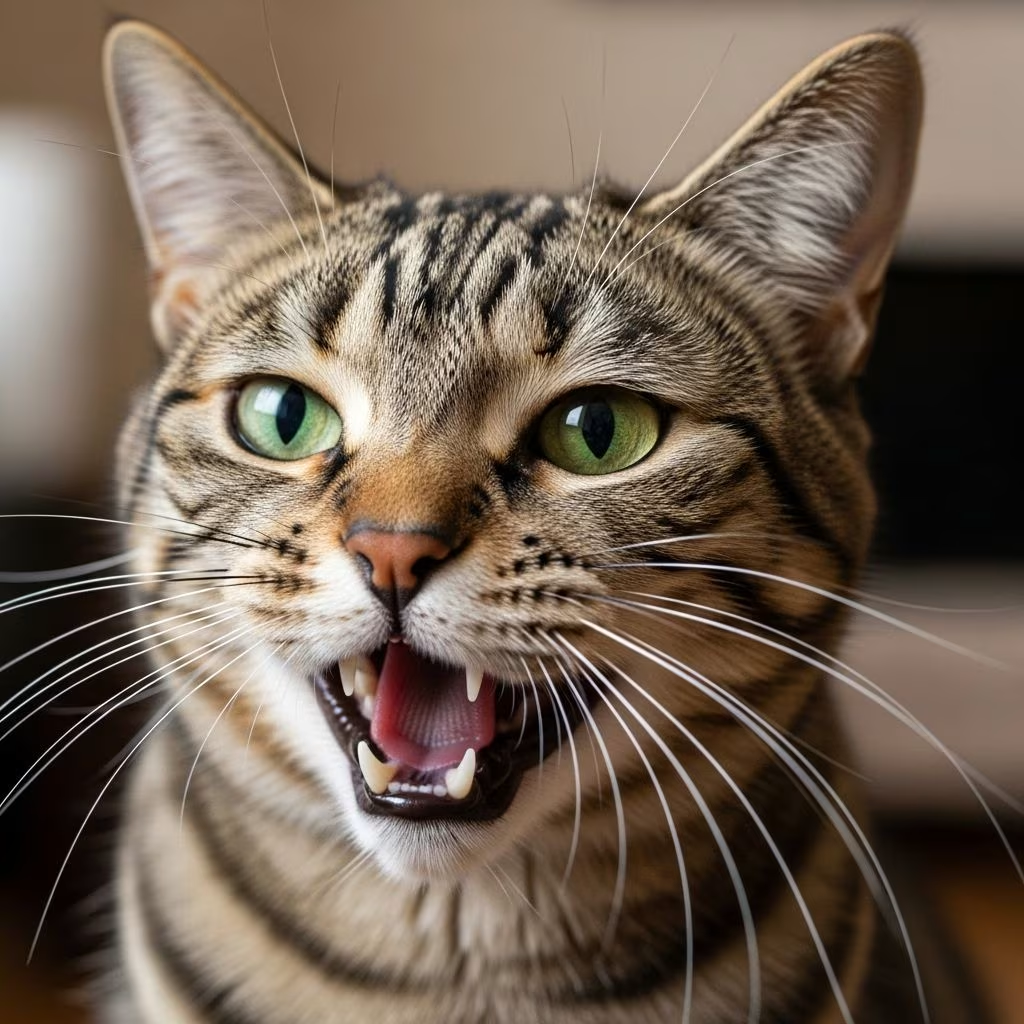
Why Is My Cat’s Jaw Clicking? Understanding the Causes
If you’ve noticed your cat’s jaw clicking or heard grinding sounds coming from their mouth, you’re not alone. Many cat owners experience this unsettling noise and wonder what it means for their pet’s health. Jaw clicking, often called tooth grinding, can signal anything from minor dental misalignment to serious health concerns. Understanding the potential causes is essential for ensuring your cat receives appropriate care and treatment. While some causes of jaw clicking are relatively benign, others require immediate veterinary attention, especially when coupled with pain or refusal to eat.
Common Causes of Jaw Clicking in Cats
Your cat’s jaw clicking can stem from several different sources. The key to identifying the problem is paying close attention to accompanying symptoms and behavioral changes. Let’s explore the most common causes of this concerning sound.
Oral Issues and Dental Problems
When you hear clicking from your cat’s mouth and jaw area, dental problems should be your first consideration. Several oral diseases can cause jaw clicking, and understanding each one helps you determine whether your cat needs veterinary care.
Feline Tooth Resorption
One of the most painful causes of jaw clicking is feline tooth resorption. This condition occurs when dentin, the tissue found beneath a tooth’s enamel, begins to erode and is eventually destroyed. Feline tooth resorption affects approximately 75 percent of cats over five years of age, making it a common concern among senior cat owners. There are two types of feline tooth resorption, both of which can cause significant pain to your cat.
Symptoms of feline tooth resorption include:
- Jaw clicking or chattering sounds with the lower jaw
- Avoiding food or difficulty eating
- Excessive drooling
- Reduced activity levels due to pain
- Visible damage to teeth or bleeding from the gums
X-rays of your cat’s teeth usually detect this condition, and often result in tooth extraction to relieve pain and prevent further complications. Early diagnosis is crucial for managing your cat’s comfort.
Tooth Alignment Issues
If your cat’s teeth are out of alignment, a condition known as malocclusion, you may hear clicking sounds coming from their jaw. Misaligned teeth can cause improper jaw closure and create audible clicking or popping noises during normal mouth movements. While some cases of malocclusion are minor, others may affect eating ability and require professional intervention.
Other Oral Problems
Beyond tooth resorption and misalignment, several other oral issues can trigger jaw clicking in cats. Ulcers in the mouth, bacterial or fungal infections, and mouth cancer can all cause jaw clicking or grinding sounds. These conditions may also present with additional symptoms such as bad breath, visible sores, or swelling in the mouth area. A visit to a veterinarian is the quickest way to determine if any of these oral issues could be causing your cat’s symptoms.
Temporomandibular Joint (TMJ) Disorders
Beyond dental problems, your cat’s jaw itself could be the source of clicking sounds. The temporomandibular joint, commonly referred to as the TMJ or jaw joint, is the hinged connection that allows your cat to chew and move their mouth correctly. This joint is formed by the mandible and temporal bones and plays a crucial role in eating, yawning, and normal mouth movement. When something goes wrong with the TMJ, your cat may experience pain, difficulty eating, and audible clicking or popping sounds.
How the TMJ Works
A TMJ exists on each side of your cat’s face, and these two joints work together in coordination to facilitate proper mouth movement and chewing. When the joint functions correctly, you won’t notice any sounds. However, if inflammation, misalignment, or structural damage occurs, the joint may click or pop with each movement. Understanding TMJ anatomy helps explain why this condition can be so problematic for your cat’s overall health and nutrition.
Signs of Temporomandibular Joint Disorder
Unfortunately, Temporomandibular Joint Disorder (TMJ) is quite painful for cats and can significantly affect their health if left untreated. Recognizing the signs of TMJ disorder is essential for getting your cat prompt veterinary care. Common symptoms include:
- Inability to fully open or close the mouth
- Shifting of the jaw from side to side
- Muscle atrophy or facial deformities
- Refusal to eat or drink
- Loss of appetite and weight loss
- Dehydration
- Unusual pawing at the face
- Excessive drooling
- Increased meowing or vocalization
- Swelling or pain around the jaw
- Audible clicking or popping sounds when moving the jaw
What Causes Temporomandibular Joint Disorder?
TMJ disorders in cats can arise from various underlying causes. Unfortunately, not all conditions of TMJ are fully understood or explainable, and the specific cause depends on the type of TMJ disorder your cat is experiencing. Common causes include:
- Trauma or Accidents: Injuries such as fractures, jaw dislocation, falls, or fights with other animals can damage the TMJ
- Congenital Defects: Some cats are born with structural issues affecting the TMJ
- Infections: Bacterial or viral infections can lead to TMJ inflammation and dysfunction
- Arthritis: Age-related wear and tear or inflammatory diseases can cause arthritis in the joint
- Cancer: Tumors in or around the TMJ can cause pain and dysfunction
- TMJ Ankylosis: Joint fusion or stiffness that renders the cat unable to fully open its mouth
- Luxation or Subluxation: Complete or partial dislocation of the jaw joint
- Masticatory Muscle Myositis: Inflammatory condition affecting the muscles used for chewing
When to Contact a Veterinarian
While occasional jaw sounds might not indicate a serious problem, certain situations require immediate veterinary attention. If your cat shows signs of discomfort, such as meowing or pawing at their face, the problem could be more severe than simple malocclusion. Additionally, you should monitor your cat’s appetite carefully, as jaw clicking that stops them from eating or drinking water warrants an immediate veterinary visit.
Not eating and drinking can lead to severe issues affecting your cat’s overall well-being, including dehydration, nutritional deficiencies, and metabolic problems. Early intervention can prevent complications and get your cat back to normal function quickly. If you notice any of the following, schedule a veterinary appointment as soon as possible:
- Jaw clicking accompanied by pain or discomfort
- Difficulty eating or drinking
- Visible swelling around the jaw or face
- Behavioral changes or increased irritability
- Weight loss or loss of appetite
- Excessive drooling lasting more than a few days
- Inability to open or close the mouth normally
Diagnosing Jaw Clicking in Cats
To determine the cause of your cat’s jaw clicking, a veterinarian will perform a thorough examination. According to veterinary experts, approximately 85 percent of oral diseases that cause grinding, including tumors, inflammation, ulcers, and loose or broken teeth can be observed during a regular examination. However, some conditions require additional diagnostic tools:
- Dental X-rays: Reveal tooth resorption, fractures, and alignment issues
- CT Scans: Provide detailed images of bone and joint structures
- Ultrasound: Can assess soft tissue damage and inflammation
- MRI: Offers detailed images of joint structures and surrounding tissues
- Lab Work: Blood tests may reveal underlying infections or metabolic issues
- Tissue Biopsies: Help identify cancerous growths or infectious agents
Treatment Options for Jaw Clicking
Treatment depends entirely on the underlying cause of your cat’s jaw clicking. Once your veterinarian has diagnosed the problem, they can recommend appropriate treatment options. For feline tooth resorption, extraction is often the most effective solution to relieve pain. For TMJ disorders, treatment might include pain management, anti-inflammatory medications, or in severe cases, surgical intervention. Dental infections may require antibiotics, while misaligned teeth might need orthodontic correction in some cases.
Your veterinarian will discuss the best course of action based on your cat’s specific diagnosis, age, and overall health status. Early treatment typically results in better outcomes and faster recovery.
Frequently Asked Questions
Q: What does it mean when a cat’s jaw clicks?
A: Jaw clicking in cats can indicate dental problems like tooth resorption or misalignment, or TMJ disorders affecting the jaw joint. Some cases are minor, while others require veterinary care.
Q: Is feline tooth resorption painful?
A: Yes, feline tooth resorption causes severe pain and affects approximately 75 percent of cats over five years of age. Extraction is often recommended to relieve discomfort.
Q: How can I tell if my cat has TMJ disorder?
A: Signs include difficulty opening or closing the mouth, jaw clicking sounds, excessive drooling, refusal to eat, facial swelling, and unusual pawing at the face. A veterinary examination is needed for confirmation.
Q: Should I try to look inside my cat’s mouth to check for problems?
A: While you can gently observe for obvious signs like broken teeth or swelling, a professional veterinary examination is essential for accurate diagnosis. Forcing your cat’s mouth open can cause additional pain or injury.
Q: Can jaw clicking resolve on its own?
A: Some minor cases may resolve, but persistent clicking often indicates an underlying condition requiring treatment. Left untreated, some conditions like TMJ disorders can worsen and cause significant pain and eating difficulties.
Q: What should I do if my cat won’t eat due to jaw clicking?
A: Contact your veterinarian immediately. Inability to eat can lead to dehydration and malnutrition. Your vet can diagnose the cause and recommend soft food or other dietary adjustments while treatment is underway.
Final Thoughts
Your cat may be clicking their jaw for several reasons, ranging from simple dental misalignment to serious TMJ disorders. If jaw clicking worries you or you see any signs of discomfort or pain, contacting a veterinarian is the best course of action. A professional can run proper diagnostics to identify the underlying cause and get your cat on the path to recovery quickly. This will ease your worry and allow you to enjoy quality time with your pet once again. Remember, early intervention typically leads to better outcomes and faster resolution of symptoms.
References
- Why Is My Cat’s Jaw Clicking? Vet-Approved Explanation! — Catster. 2024. https://www.catster.com/cat-behavior/why-is-my-cats-jaw-clicking/
- Cat Teeth Grinding: What You Need to Know — PetMD. 2024. https://www.petmd.com/cat/general-health/cat-teeth-grinding-what-you-need-know
- Temporomandibular Joint (TMJ) Disease in Cats — Texas Veterinary Dental Center. 2024. https://texasveterinarydentalcenter.com/temporomandibular-joint-tmj-disease-in-cats/
- Temporomandibular Joint Disorders in Cats – Symptoms, Causes — Wag Walking. 2024. https://wagwalking.com/cat/condition/temporomandibular-joint-disorders
- Temporomandibular Disorder in Cats — Vet and Tech. 2024. https://www.vetandtech.com/resources/common-diseases/cats/temporomandibular-disorder-in-cats
- Why is my cat constantly clicking her mouth open like it’s involuntary – is this a concern? — Dial A Vet. 2024. https://www.dialavet.com/vet-answers/cat-clicking-mouth-involuntary-concern-143635
- A Trembling Jaw: What Resorptive Tooth Lesions Mean for Your Cat — Embrace Pet Insurance. 2024. https://www.embracepetinsurance.com/waterbowl/article/what-resorptive-tooth-lesions-mean-for-your-cat



