

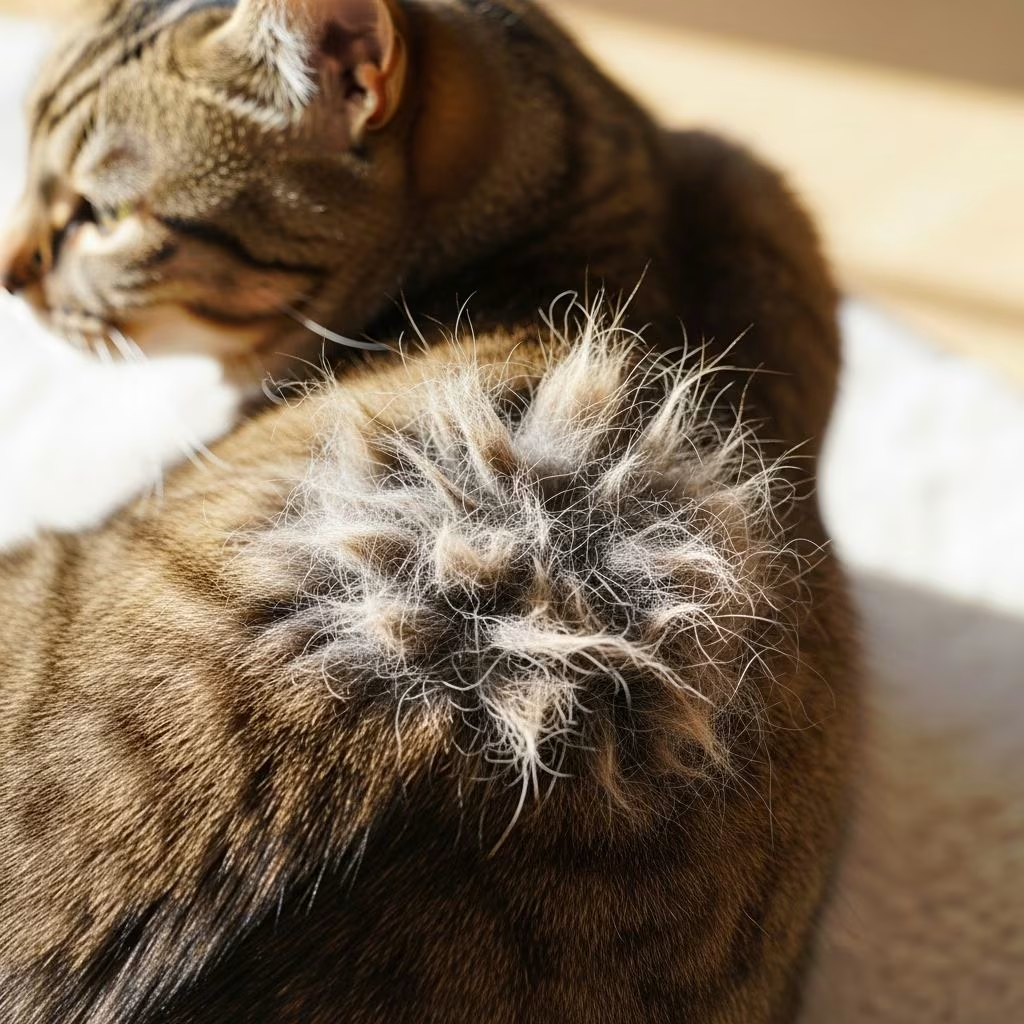
Matted fur on a cat’s back is a frequent concern for pet owners, particularly with senior or long-haired cats. These tangles form when loose undercoat hair gets trapped in the topcoat, exacerbated by friction, poor grooming, or underlying health problems. While occasional small mats may not pose immediate threats, ignoring them can lead to pain, skin issues, and infections. Understanding the reasons behind back matting—often the most affected area due to spinal movement and limited reach—helps owners intervene effectively.
Why Do Cats Get Matted Fur?
Cats are meticulous groomers, spending up to 50% of their waking hours maintaining their coats. However, matting occurs when this process falters. The back is particularly vulnerable because cats struggle to twist and lick this area thoroughly, especially as they age. Common culprits include excessive shedding, friction from movement, and disruptions in self-grooming routines. Long-haired breeds like Persians or Maine Coons are more prone, but short-haired cats aren’t immune.
5 Reasons Your Cat’s Fur Is Matted on His Back
Several factors contribute to matted fur specifically on the back. Here’s a breakdown of the top five reasons, supported by veterinary insights:
- Excessive Shedding: Cats shed their undercoat seasonally or year-round if indoor. Loose hairs tangle in the topcoat, forming mats on the back where grooming is hardest. Indoor cats shed consistently, making daily brushing essential.
- Frequent Movement and Friction: The back experiences constant rubbing from lying down, arching, or spinal flexion. High-friction spots like near the hindquarters or under collars (if worn) worsen tangling. Long fur amplifies this issue.
- Lack of Self-Grooming Due to Pain: Dental problems, oral tumors, or jaw soreness prevent licking. Symptoms include drooling, reduced appetite, or bad breath. Back mats appear because affected cats skip hard-to-reach areas.
- Arthritis or Joint Pain: Common in senior cats, especially obese ones, arthritis stiffens the spine and hips, making grooming painful. Mats concentrate on the lower back and rear, signaling veterinary needs like pain relief or joint supplements.
- Stress or Behavioral Changes: Stress from new pets, moves, or environments can halt grooming in some cats (others over-groom). Recent changes correlate with sudden matting.
How to Deal with Matted Fur on Cats
Addressing mats promptly prevents escalation. Never yank or cut mats at home if tight to the skin—risks include cuts, bruising, or “lion cuts” that expose skin unevenly. Start with gentle detangling:
- Tools Needed: Wide-tooth comb, slicker brush, rubber curry brush, cornstarch (for lubrication), cat-safe detangler spray.
- Step-by-Step: Pet from head to tail to locate mats. Apply cornstarch to loosen, then tease apart with fingers or comb from outside in. Brush daily in the direction of hair growth. Reward with treats for cooperation.
- Bathing Tips for Seniors: Brush first. Use lukewarm water in a bin, cat-specific shampoo, avoiding face. Rinse thoroughly, towel-dry gently—no hairdryers. Bathe long-haired cats monthly, short-haired as needed.
If mats persist, consult a professional groomer or vet. They use clippers safely, often creating sanitary shaves around hindquarters.
Can You Leave Matted Fur on Cats?
No—untreated mats worsen quickly. Initial small clumps trap dirt, moisture, and bacteria, leading to urinary tract infections (near hind legs) or hotspots. Advanced mats:
- Impede circulation, causing cold extremities or bruising.
- Twist skin, inducing pain and reluctance to move.
- Attract fleas/parasites, fostering infections.
Mats on the back pull with every movement, especially painful for thin senior cats with inelastic skin.
Preventing Matted Fur in Cats
Proactive grooming keeps coats healthy. Tailor routines by coat type:
| Coat Type | Brushing Frequency | Tools | Bathing |
|---|---|---|---|
| Short-Haired | Weekly | Rubber brush, metal comb | As needed |
| Long-Haired | Daily | Slicker brush, wide comb, detangler | Monthly |
| Senior/Obese | Daily (focus back/hips) | Soft pin brush, fingers for mats | Per vet advice |
Additional prevention:
- Monitor weight—obesity hinders grooming.
- Check collar area weekly; consider breakaways.
- Reduce stress with pheromones or playtime.
- Regular vet checkups for dental/joint health.
Why Is the Fur on My Older Cat’s Back Matted?
Senior cats (10+ years) often develop back mats due to cumulative issues: arthritis (spine/hips), dental disease, hyperthyroidism, or skin oil overproduction. Cats hide pain masterfully, so matting is a red flag. Decreased muscle/fat makes mats more agonizing; inelastic skin risks tears.
Inspect hips, underbelly, hind legs—sensitive spots indicate pain. Vet exams may reveal osteoarthritis (affects 90% of cats over 12) or stomatitis.
When to See a Vet for Matted Cat Fur
Seek immediate care if:
- Mats cover large areas or are tight/ulcerated.
- Accompanied by lethargy, appetite loss, limping, or behavioral shifts.
- Your cat vocalizes pain during touch/grooming.
- No improvement after home grooming.
Vets diagnose underlying causes via exams, bloodwork, or X-rays, prescribing pain meds, antibiotics, or dental cleanings.
Frequently Asked Questions (FAQs)
Why is my cat’s fur matted only on his back?
The back is hard to groom due to flexibility limits, worsened by arthritis or friction. Mats form from trapped shed hairs.
Can I cut matted fur off my cat?
Only if loose; tight mats require pros to avoid injury. Use blunt scissors if attempting, but vets/groomers preferred.
How do you get rid of severe mats on a cat?
Professional clipping or shaving under sedation. Follow with healing ointment and cone if needed.
Should I bathe my cat if his fur is matted?
No—bathe after dematting to avoid felting. Brush first, use cat shampoo sparingly.
Is matted fur painful for cats?
Yes, severe mats pull skin, bruise, and restrict movement, causing significant discomfort.
References
- FAQ’s Catastrophe Cat Grooming — Catastrophe Cats. Accessed 2026. https://www.catastrophecats.com/faq-s
- Grooming Senior Cats: Why Do Older Cats Get Matted Fur? — Stoney Creek Veterinary. 2024-02-28. https://www.stoneycreekveterinary.com/site/blog/2024/02/28/groom-old-cat
- Why Is My Cat’s Fur Matted? Causes, Care, and Prevention Tips — Centre of Excellence. Accessed 2026. https://www.centreofexcellence.com/why-is-my-cats-fur-matted/
- Help – My Cats Fur is Matted — The Kat Lady. Accessed 2026. https://thekatlady.co.uk/blog/f/help—my-cats-fur-is-matted



