

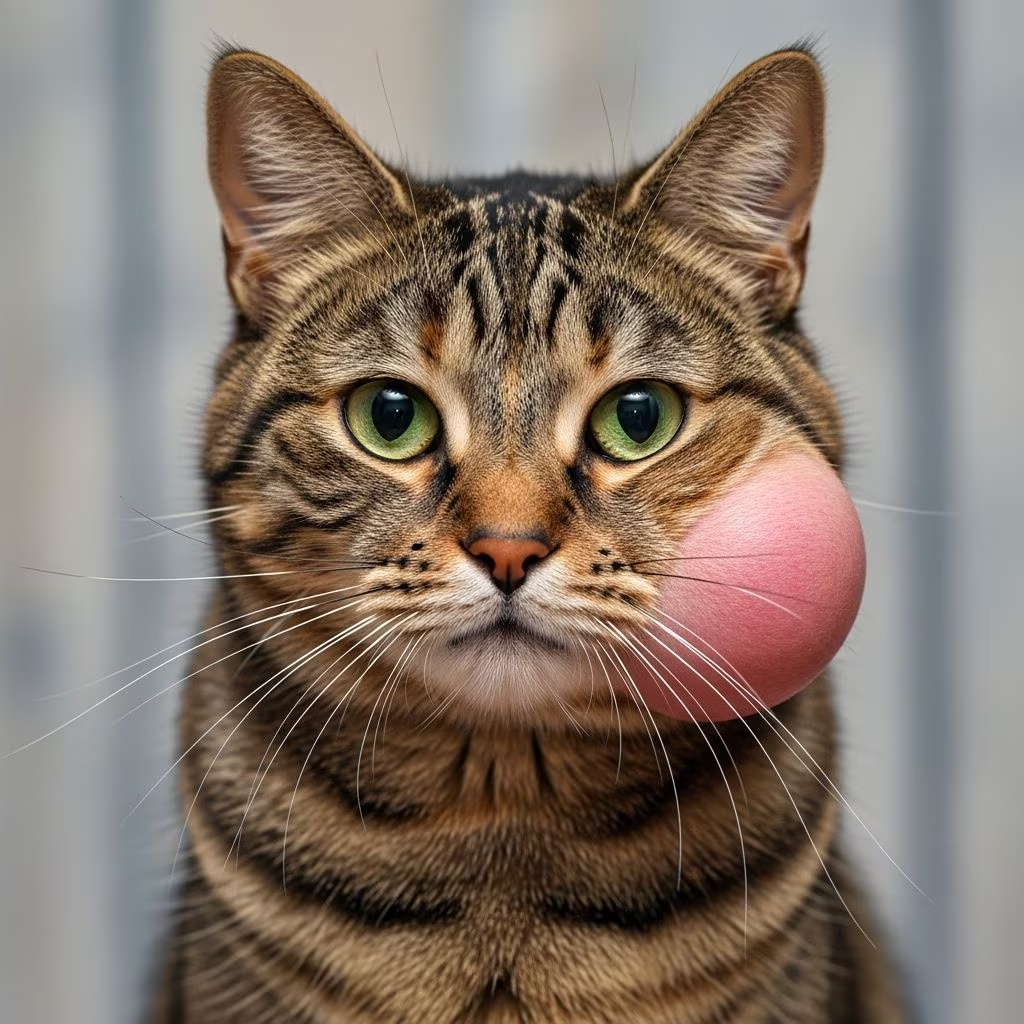
Dental procedures are routine for many cats, with 50 to 90% of cats over 4 years old affected by dental disease like gingivitis, periodontitis, or tooth resorption. While most cats recover smoothly post-dental work, noticing facial or jaw swelling can be alarming. This swelling often results from normal inflammation after extractions or surgery, but it could signal complications like infection or allergic reactions. Understanding the causes helps cat owners know when to monitor at home versus seeking immediate veterinary care.
Why Is My Cat’s Jaw Swollen After Dental Work?
Swelling in a cat’s jaw or face after dental procedures is common, particularly following tooth extractions or oral surgery. Unlike a simple scale and polish, invasive procedures trigger the body’s inflammatory response, leading to temporary puffiness that typically resolves in a few days. Veterinarians often prescribe analgesics to manage pain and reduce swelling, informing owners to expect this reaction.
Several factors contribute to post-dental swelling:
- Normal Post-Surgical Inflammation: Trauma from extraction sites causes localized swelling as the body heals. This is expected and usually peaks within 24-48 hours before subsiding.
- Trauma or Injury: During complex procedures, accidental damage to jaw tissues or surrounding areas can occur, resulting in bruising and swelling.
- Infection: Bacteria from pre-existing dental issues or introduced during surgery can lead to abscesses, causing pus-filled swellings. Oral swellings from infections like tooth root abscesses require prompt treatment.
- Allergic Reaction: Rare but possible reactions to anesthetics, antibiotics, or suture materials manifest as rapid swelling or puffiness.
- Tumor or Cyst: Pre-existing lumps might become more noticeable post-procedure, though vets typically identify these beforehand. Fluid-filled cysts, like dentigerous cysts from unerupted teeth, can also appear.
- Osteomyelitis: Chronic bone infections from untreated periodontitis or tooth resorption can cause expansile swelling, mimicking tumors but treatable via extraction and alveoloplasty.
According to veterinary sources, oral swellings are never normal and stem from trauma, infection, fluid buildup, or neoplasms. Always differentiate benign post-op swelling from sinister causes via vet evaluation.
Is Swelling Normal After Cat Tooth Extraction?
Yes, mild swelling at the extraction site is normal due to surgical trauma eliciting inflammation. Cats often go home the same day, and subtle swelling may not be visible immediately. However, significant, worsening, or painful swelling, accompanied by bleeding, pus, or foul odor, demands veterinary attention.
Veterinarians recommend these management strategies for normal post-extraction swelling:
- Cold Compress: Apply a wrapped ice pack for 10-15 minutes several times daily to constrict blood vessels and minimize swelling. Avoid direct ice contact to prevent burns.
- Pain Management: Administer prescribed NSAIDs or opioids to control discomfort, facilitating healing.
- Soft Diet and Rest: Feed wet or softened food for 7-10 days; restrict jumping or rough play to protect the site.
- Monitor Closely: Recheck appointments 7-14 days post-op assess healing.
| Normal Swelling Traits | Concerning Swelling Signs |
|---|---|
| Mild, improves in 2-3 days | Worsens after 48 hours or spreads |
| No pain on touch | Painful, hot, or pus-discharging |
| Cat eats softly | Refusal to eat, drooling |
Treatment for abnormal swelling varies: infections may need antibiotics and drainage; cysts require surgical removal; tumors demand biopsy.
Signs of Infection After Cat Dental Surgery
Infections complicate 5-10% of feline dental surgeries if bacteria proliferate. Watch for these red flags indicating possible abscess or osteomyelitis:
- Foul Odor: Bad breath from bacterial overgrowth or pus.
- Swelling Progression: Firm lump on jawline, under eye, or bulging eye.
- Appetite Loss: Refusal to eat due to pain.
- Discharge: Blood, pus from mouth/nose.
- Behavioral Changes: Lethargy, aggression, pawing at face, head rubbing, vocalizing.
- Other: Drooling, food dropping, altered drinking, breathing difficulty.
Anesthesia aftereffects like nausea can mimic infection signs, but persistent issues post-24 hours warrant a call. Tooth root abscesses from fractured teeth cause similar swellings, treated by extraction or root canal.
How To Help Your Cat Recover From Dental Surgery
Optimal recovery hinges on adhering to vet instructions. Provide a quiet space, administer meds on schedule, and offer soft foods like pate canned varieties. Hydration is key—encourage water intake or use broths.
Daily Care Routine:
- Clean the area gently if advised, avoiding e-collars if not chewing sutures.
- Monitor incision for dehiscence (opening).
- Prevent self-trauma with cone collars if pawing.
- Gradually reintroduce kibble after 10-14 days.
Full healing takes 2-4 weeks; chronic cases like osteomyelitis resolve post-extraction with histopathology confirming no neoplasia. Pain or swelling disrupting sleep/eating signals discomfort needing med adjustment.
Frequently Asked Questions (FAQs)
Is facial swelling normal 3 days after cat dental work?
Mild swelling may linger, but if not improving or worsening, contact your vet—it could indicate infection.
What if my cat’s eye is bulging after tooth extraction?
This suggests orbital involvement or abscess; seek emergency care immediately.
How long does jaw swelling last post-cat dental surgery?
Typically 2-5 days with proper care; longer requires re-evaluation.
Can allergies cause swelling after cat anesthesia?
Yes, anaphylaxis to drugs presents rapidly—monitor for hives or breathing issues.
When to worry about bad breath after dental work?
If accompanied by swelling or discharge, it signals infection.
Conclusion
While some facial swelling is expected after cat dental work, vigilance ensures complications like infections or rare tumors are addressed swiftly. Follow vet guidance for pain meds, soft diets, and monitoring. Most cats bounce back happily, enjoying pain-free munching. Prompt intervention safeguards your feline friend’s health—err on the side of caution with any concerns.
References
- Why Is My Cat’s Jaw Swollen After Dental Work? Common Causes — Catster. 2023. https://www.catster.com/cat-health-care/why-is-my-cats-face-swollen-after-dental-work/
- Oral Swellings in Cats — VCA Animal Hospitals. 2024-01-15. https://vcahospitals.com/know-your-pet/oral-swellings-in-cats
- Maxillary Swelling in an Old Cat Doesn’t Always Mean Cancer — Your Pet Dentist. 2023-06-10. https://yourpetdentist.com/maxillary-swelling-in-an-old-cat-doesnt-always-mean-cancer/
- Cat Dental Surgery – Extractions — Burbank Pet. 2024-03-30. https://www.burbankpet.com/site/blog/2024/03/30/cat-dental-extraction
- Cat Tooth Extractions: What to Expect — Hohenwald Animal Hospital. 2024-05-15. https://www.hohenwaldvet.com/site/blog/2024/05/15/cat-tooth-extractions



