

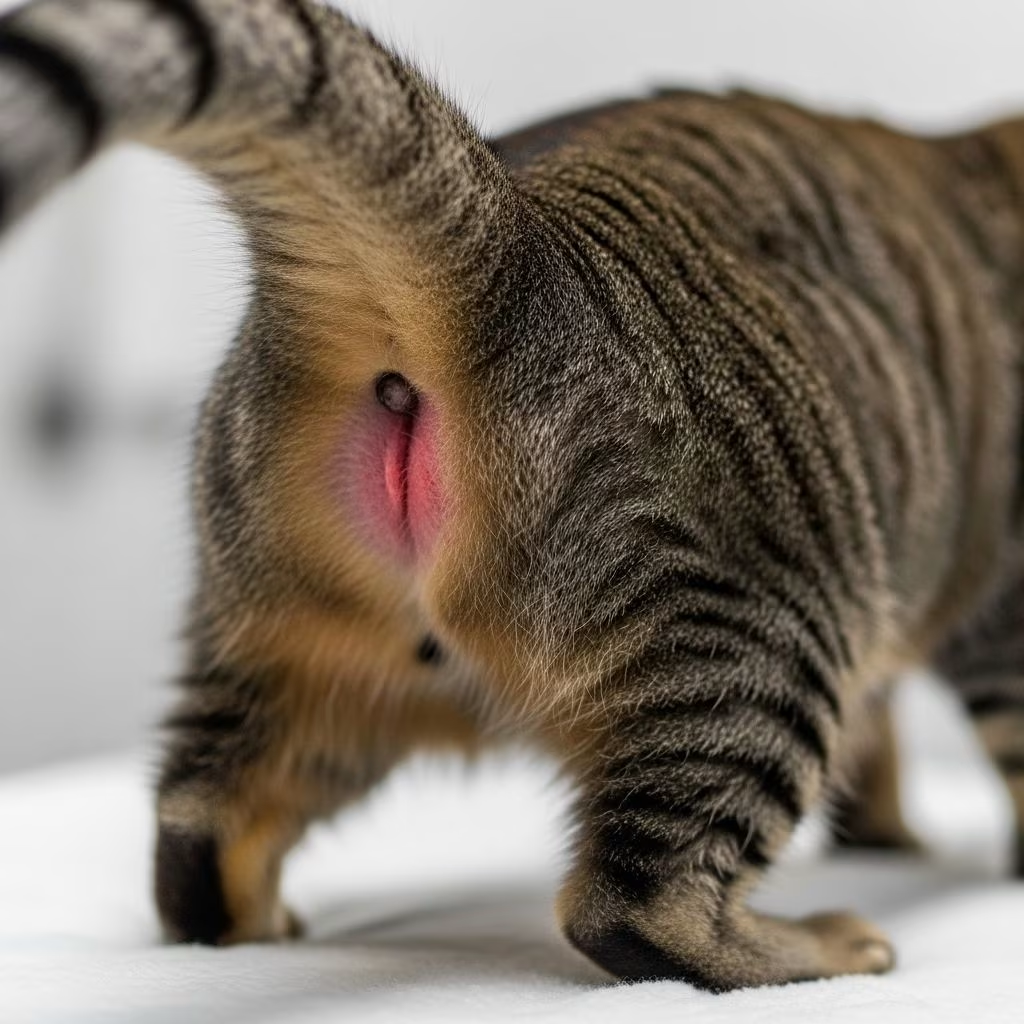
A red, irritated area around your cat’s anus can be alarming for any pet owner. This condition often stems from inflammation, infection, or mechanical irritation in the perianal region. While not always an emergency, a persistently red cat butt warrants prompt veterinary attention to identify the underlying cause and prevent complications. Common culprits range from parasites and digestive issues to glandular problems or even tumors. Early diagnosis through a physical exam, fecal analysis, or imaging can lead to effective treatment, restoring your cat’s comfort quickly.
Understanding the anatomy helps: the anus is surrounded by sensitive skin and small anal sacs (glands) at the 4 and 8 o’clock positions that naturally express during defecation. Disruptions here can cause redness, swelling, scooting, excessive licking, or bloody discharge. This article breaks down the **8 most common reasons** for a red cat butt, drawing from veterinary insights, with symptoms, causes, and management strategies.
The 8 Reasons Your Cat’s Butt Could Be Red
Here are the primary causes, listed in order of commonality based on clinical observations. Each can lead to localized inflammation, but severity varies.
1. Worms
Intestinal parasites like **tapeworms** are a leading cause of anal irritation in cats. These worms infect the gastrointestinal tract, prompting straining, diarrhea, and inflammation that reddens the anus. Tapeworm segments (proglottids) resemble rice grains and stick to the fur around the anus, causing itchiness and further trauma from licking or scooting.
Symptoms include visible worm segments in feces or bedding, weight loss, bloated belly, and anal redness. Kittens are especially vulnerable. Prevention involves broad-spectrum dewormers every 3 months for adults and every 2-4 weeks for kittens under 6 months. Diagnosis via fecal flotation test; treatment with praziquantel or similar meds resolves most cases swiftly.
2. Gastrointestinal Upset
Diarrhea from any source—**food intolerances, diet changes, toxins, infections (viral like panleukopenia, bacterial like Salmonella, or fungal), or systemic diseases (kidney/liver failure)**—irritates the anus through frequent acidic stools and wiping action. Loose stools lead to perianal dermatitis, manifesting as redness, moisture, and odor.
- Accompanying signs: Vomiting, lethargy, appetite loss, dehydration.
- Risk factors: Recent food switch, scavenging, or unvaccinated status.
Monitor hydration (skin tent test) and withhold food briefly while offering water. Vet care is essential for persistent cases; treatments include fluids, anti-diarrheals, or antibiotics. Probiotics aid gut recovery.
3. Constipation
Hard, infrequent stools force **straining**, inflaming the anal mucosa. Dehydration, low-fiber diets, or hairballs contribute. Differentiate from urinary blockage (emergency in males: straining without urine).
Symptoms: Tenesmus (straining without feces), small/hard stools, scooting. Increase fiber (pumpkin puree, 1 tsp/day) and water intake. Laxatives like lactulose may be vet-prescribed; severe cases need enemas under sedation.
4. Anal Gland Issues
Anal sacs produce scent fluid but can **impact, infect, abscess, rupture, or rarely become cancerous**. Less common in cats than dogs, but swelling at 4/8 o’clock positions causes pain, redness, and fishy odor. Impaction from soft stools prevents natural expression.
- Signs: Scooting, licking, bloody discharge, swelling.
- Treatment: Vet expression/flushing, antibiotics (e.g., amoxicillin-clavulanate), pain meds (buprenorphine). Warm compresses soothe; cones prevent licking. Recurrence may require dietary fiber or surgical ablation.
According to VCA Animal Hospitals, most cats respond well to expression and antibiotics, with sedation for painful cases.
5. Dermatitis
**Allergic, contact, or infectious dermatitis** presents as red, alopecic (hairless), scabby skin around the anus. Triggers: Flea allergies, food sensitivities, environmental allergens (pollen, plastics), parasites (mites), or bacteria/fungi.
Symptoms: Itchiness, papules, discharge. Mild cases benefit from hypoallergenic shampoos (oatmeal-based) or wipes. Vets diagnose via skin scrapes/biopsy; treatments include steroids, antibiotics, antifungals, or hypoallergenic diets. Avoid human products.
| Cause | Symptoms | Treatment |
|---|---|---|
| Allergies | Redness, itching | Antihistamines, diet trial |
| Parasites | Hair loss, scabs | Flea control, meds |
| Infection | Pus, odor | Topical/systemic antibiotics |
6. Growths
**Benign polyps, tumors (lymphosarcoma, adenocarcinoma), or perianal adenomas** protrude or ulcerate, causing irritation and defecation difficulty. Older cats (>10 years) are prone; skin cancers appear red/ulcerated.
Diagnosis: Rectal exam, ultrasound, biopsy. Treatment: Surgical excision ± chemo/radiation. Merck Veterinary Manual notes supplemental fiber aids sac expression post-treatment.
7. Intestinal Foreign Body
Kittens ingest **string, bones, toys**, leading to obstruction, partial blockages, or perforation. This causes straining, vomiting, pain, and secondary anal inflammation from backup.
Urgent signs: Distended abdomen, no feces/appetite. Diagnostics: X-rays/ultrasound. Surgery removes objects; supportive care prevents peritonitis/sepsis.
8. Rectal Prolapse
Severe straining evaginates rectal tissue, appearing as a **red, tubular protrusion** (“red bubble”). Triggered by diarrhea, parasites, or obstructions.
Emergency: Keep moist (sugar saline wrap), rush to vet for replacement under anesthesia ± purse-string suture/surgery. Treat underlying cause.
Diagnosis and When to See a Vet
Observe: Duration, associated symptoms (appetite, litter habits), progression. Home checks: Gentle visual/anal inspection (gloves). Vet visit if redness persists >48 hours, worsens, or with blood/fever/lethargy. Expect: History, exam, fecal test, rectal palpation, cytology, imaging.
- Emergencies: Prolapse, obstruction signs, heavy bleeding.
- Routine: Scooting, mild redness.
Treatment Options
Tailored to cause: Parasiticides, diet changes, gland expression, meds, surgery. Home care: Clean gently (warm water), e-collar, high-fiber diet. Prognosis excellent for most with prompt care.
Prevention Tips
- Deworm quarterly; flea control year-round.
- Balanced diet, ample water, litter hygiene.
- Regular vet checkups, especially seniors.
- Supervise kittens; no strings/toys.
Frequently Asked Questions (FAQs)
Q: Is a red cat butt always serious?
A: Not always—mild diarrhea may resolve—but rule out glands/parasites with vet exam.
Q: Can I express anal glands at home?
A: No, risk infection/pain; leave to vets.
Q: How to soothe irritated skin?
A: Warm compresses, vet-approved wipes; avoid OTC creams.
Q: Does diet affect anal health?
A: Yes, fiber prevents constipation/impaction.
Q: What if my cat scoots a lot?
A: Often glands/full sacs; vet check needed.
Final Thoughts
A red cat butt signals an underlying issue treatable with veterinary guidance. Don’t delay—early intervention prevents pain and complications. Monitor habits, maintain preventives, and consult pros for tailored care.
References
- Why Is My Cat’s Butt Red? Our Vet Explains 8 Common Reasons — Catster (Ask the Vet). 2023. https://www.catster.com/ask-the-vet/why-is-my-cats-butt-red/
- Anal Sac Disease in Cats — VCA Animal Hospitals. Accessed 2026. https://vcahospitals.com/know-your-pet/anal-sac-disease-in-cats
- Cat Rash: Common Causes, Symptoms & Treatments — Purina. Accessed 2026. https://www.purina.com/articles/cat/health/skin-fur-ears/cat-rash
- Disorders of the Rectum and Anus in Cats — Merck Veterinary Manual. Accessed 2026. https://www.merckvetmanual.com/cat-owners/digestive-disorders-of-cats/disorders-of-the-rectum-and-anus-in-cats
- Anal Gland Disease in Cats — Joii Pet Care. Accessed 2026. https://www.joiipetcare.com/blogs/health-conditions/anal-gland-disease-in-cats



