

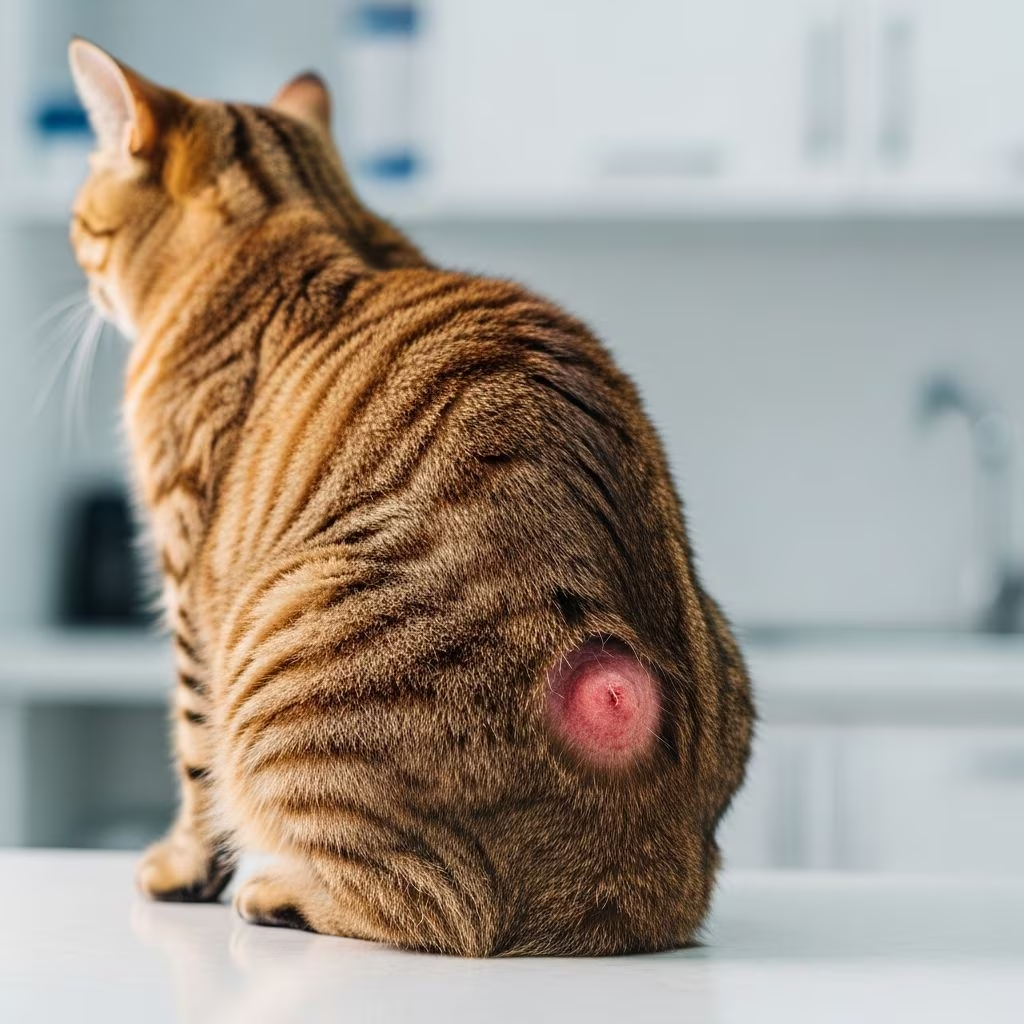
Why Is My Cat’s Butt Red? Understanding Common Causes
Cats aren’t known for their modesty, and when your feline friend lifts their tail high in the air while demanding attention, you might get an unwanted close-up view of their rear end. If you’ve noticed your cat’s anus or the surrounding skin appears redder than usual, this is a sign of inflammation that warrants investigation. While some causes of rectal and anal inflammation are minor and easily treatable, others require prompt veterinary attention. Understanding the potential reasons behind this issue can help you determine when to seek professional care for your beloved pet.
Understanding Anal Inflammation in Cats
Inflammation of the anus or the skin surrounding it can manifest as redness, swelling, and discomfort for your cat. This condition doesn’t occur randomly—there are specific underlying causes that trigger the inflammatory response. The rectum plays an important role in helping cats absorb water and firm up their stool, so when it becomes inflamed, this crucial function is compromised, potentially leading to diarrhea and further complications. By identifying the root cause, you and your veterinarian can develop an effective treatment plan to restore your cat’s comfort and health.
The 8 Reasons Your Cat’s Butt Could Be Red
1. Intestinal Worms
Parasitic infections represent one of the most common causes of anal inflammation in cats, particularly in younger animals. Intestinal worms infect your cat’s gastrointestinal tract, triggering inflammation in the intestines, straining during bowel movements, and diarrhea. All of these conditions can cause the anus to become irritated and inflamed.
Tapeworms deserve special mention because they release egg packets that closely resemble grains of rice. These egg packets can stick directly to the anus, causing localized irritation and visible discomfort. If you notice rice-like particles in your cat’s litter box or on their rear, this is a telltale sign of tapeworm infection. To prevent intestinal worm infestations, cats should receive broad-spectrum wormer treatments every three months, while kittens require deworming every two to four weeks depending on their age.
2. Gastrointestinal Upset
Diarrhea is a primary culprit in causing anal inflammation. Several factors can trigger gastrointestinal upset in cats, including food intolerances, abrupt changes in diet, or accidental ingestion of inappropriate items. Additionally, viral, parasitic, bacterial, and fungal infections can all cause digestive disturbances. Internal conditions such as kidney disease or liver disease may also manifest as diarrhea.
When your cat experiences gastrointestinal upset, you may observe additional symptoms beyond a red rear end. Watch for vomiting, loss of appetite, abdominal pain, or lethargy in more severe cases. Diarrhea poses a significant concern because it can quickly lead to dehydration, which is a serious health risk. If you suspect your cat has a gastrointestinal issue, contacting your veterinarian promptly is essential for proper diagnosis and treatment.
3. Parasitic Infections Beyond Worms
While intestinal worms are well-known parasites, other parasitic organisms can also cause rectal inflammation. Protozoan parasites such as Giardia and Tritrichomonas foetus frequently lead to chronic diarrhea and straining in cats. This constant straining irritates the delicate lining of the rectum, resulting in inflammation and a raw, red appearance around the anus.
Parasitic infections are particularly common in young kittens and cats with compromised immune systems. A veterinarian can identify these parasites through fecal testing and prescribe appropriate anti-parasitic medications to eliminate the infection.
4. Anal Gland Issues
The anal glands are two specialized secretory glands positioned around the anus at approximately the four and eight o’clock positions. These glands can experience several problematic conditions that result in a red, inflamed rear end.
Common anal gland problems include:
- Impaction: The glands become full and the material inside solidifies, requiring expression and flushing.
- Infection: Bacterial infection within the glands requires antibiotic treatment, either orally or directly into the affected gland.
- Abscess formation: An infected anal gland can develop into an abscess, appearing as a painful red swelling on the side of the anus that may rupture and discharge bloody material.
- Rupture: Severe cases may result in the gland rupturing through the skin.
- Cancer: In rare cases, anal glands can develop cancerous growths.
Anal gland problems can lead to severe swelling and irritation around the anus. Fortunately, anal gland issues are less common in cats than in dogs. However, if your cat displays an irritated rear end with no obvious cause, having a veterinarian check the anal glands is worthwhile. Treatment depends on the specific problem but may include expression, flushing, antibiotics, pain relief medications, and warm compresses.
5. Dermatitis
If the problem appears more like a skin condition rather than internal inflammation, your cat may have dermatitis around the rear end. Signs of dermatitis include inflammation, hair loss, scabs, or discharge. This non-specific condition can result from multiple underlying causes.
Common triggers for dermatitis include:
- Allergies (food or environmental)
- Insect bites
- External parasites like fleas or mites
- Bacterial or fungal skin infections
For mild dermatitis cases, home remedies such as oatmeal shampoos may provide relief. However, if the condition persists or worsens, your veterinarian will develop a comprehensive treatment plan tailored to the underlying cause.
6. Bacterial and Fungal Infections
Beyond parasites, various microorganisms can cause rectal and anal inflammation. Bacterial infections are particularly common, with agents such as Campylobacter, Clostridium, Salmonella, and E. coli frequently irritating the large intestine lining. These bacteria trigger inflammation that extends to the rectal and anal tissues.
Viral infections can also play a role. Feline parvovirus and feline coronavirus are known to cause gastrointestinal inflammation and diarrhea. Fungal infections like Histoplasmosis can affect the gastrointestinal tract, particularly in cats living in the Ohio, Mississippi, and Missouri river valley regions.
Treatment depends on the infection type. Bacterial infections require antibiotics, fungal infections need antifungal medications, and viral infections typically require supportive care including fluid therapy and hospitalization if severe dehydration has occurred.
7. Growths and Tumors
Benign or malignant growths can develop from the rectal wall, causing irritation and inflammation. Polyps and tumors such as lymphosarcoma can obstruct normal fecal passage, leading to straining and inflammation around the anus.
While your veterinarian may discover some growths through a rectal examination, others might be visible only if they protrude through the anus. Skin cancers can also develop around the rear end, appearing red, ulcerated, or inflamed. In most cases, your veterinarian will surgically remove these growths or obtain tissue samples through biopsy for proper diagnosis. Early detection and treatment offer the best outcomes for managing these conditions.
8. Rectal Prolapse
A rectal prolapse occurs when part of the rectum protrudes out through the anus, appearing as a red, tube-like or bubble-like structure. This condition typically develops after a cat experiences severe diarrhea or excessive straining, indicating the presence of an underlying illness that requires treatment. When pink tissue protrudes from your cat’s anus, this is a clear sign of rectal prolapse rather than simple inflammation.
Rectal prolapse requires urgent veterinary treatment. The standard approach involves an anesthetic procedure to gently replace the prolapsed tissue, often followed by temporary stitches at the anus for five to seven days to prevent recurrence. In severe cases where tissue has died or cannot be easily repositioned, surgical intervention may be necessary. After treatment, your veterinarian will likely recommend a moist diet and stool softeners to prevent re-injury.
When to Seek Veterinary Care
While some cases of mild anal inflammation might resolve with home care, certain situations demand immediate professional attention. Contact your veterinarian if your cat exhibits:
- Persistent redness or swelling that doesn’t improve within a few days
- Bleeding or bloody discharge from the anus
- Severe pain or difficulty with bowel movements
- Signs of rectal prolapse (tissue protruding from the anus)
- Prolonged diarrhea lasting more than a day or two
- Associated symptoms like vomiting, lethargy, or loss of appetite
- Evidence of parasites (rice-like segments in stool or on fur)
Your veterinarian can take a detailed history and perform a thorough physical examination to determine the underlying cause. They might conduct a rectal examination to assess the anal glands, check for growths, or collect samples for testing.
Prevention Strategies
Taking preventive measures can help reduce the likelihood of anal inflammation in your cat:
- Regular parasite prevention: Maintain a consistent deworming schedule and use flea/tick prevention as recommended by your veterinarian
- Quality diet: Feed high-quality, appropriate food to minimize digestive upset and allergic reactions
- Hygiene: Keep your cat’s litter box clean to prevent bacterial contamination
- Hydration: Ensure your cat has constant access to fresh water
- Routine check-ups: Schedule regular veterinary visits for early detection of health issues
Frequently Asked Questions
Q: Is a red cat butt always a serious problem?
A: Not necessarily. While mild inflammation may resolve on its own or with simple home care, persistent redness warrants veterinary evaluation to rule out serious underlying conditions. Some causes, like rectal prolapse or anal gland rupture, require urgent professional treatment.
Q: Can I treat anal gland issues at home?
A: Anal gland expression should be performed by a veterinarian or trained veterinary technician. Improper technique can cause pain and further injury. Your vet may recommend warm compresses for comfort once the glands have been expressed.
Q: How often should my cat be dewormed?
A: Adult cats should receive broad-spectrum wormer treatments every three months. Kittens require more frequent deworming, typically every two to four weeks depending on their age, until they reach adulthood.
Q: What does a rectal prolapse look like?
A: A rectal prolapse appears as a red, tube-like or bubble-like structure protruding from the anus. It may look alarming, but prompt veterinary treatment can usually resolve it successfully.
Q: Can stress cause anal inflammation in cats?
A: While stress can contribute to gastrointestinal upset and diarrhea, which may secondarily cause anal inflammation, stress is not a direct cause. Identifying and addressing the underlying gastrointestinal issue is essential.
Final Thoughts
If you’re uncertain about why your cat’s rear end appears red or inflamed, the best course of action is to schedule a veterinary examination. Your veterinarian possesses the expertise to take a complete history, perform a thorough physical examination, and determine the appropriate course of treatment. They can assess anal gland health, examine for growths, and identify infections or parasites through diagnostic testing. With proper diagnosis and timely treatment, most causes of anal inflammation resolve successfully, restoring your cat’s comfort and quality of life. Don’t hesitate to reach out to your veterinary professional—they’re your best resource for keeping your feline companion healthy and happy.
References
- Why Is My Cat’s Butt Red? Our Vet Explains 8 Common Reasons — Catster. 2024. https://www.catster.com/ask-the-vet/why-is-my-cats-butt-red/
- Rectal and Anal Inflammation in Cats — PetMD. https://www.petmd.com/cat/conditions/digestive/rectal-and-anal-inflammation-cats
- Anal Sac Disease in Cats — VCA Animal Hospitals. https://vcahospitals.com/know-your-pet/anal-sac-disease-in-cats
- Anal Gland Disease in Cats — Joii Pet Care. https://www.joiipetcare.com/blogs/health-conditions/anal-gland-disease-in-cats
- Anal Sac Disease in Cats — The Drake Center For Veterinary Care. https://www.thedrakecenter.com/resources/materials/cats/anal-sac-disease-cats
- Disorders of the Rectum and Anus in Cats — Merck Veterinary Manual. https://www.merckvetmanual.com/cat-owners/digestive-disorders-of-cats/disorders-of-the-rectum-and-anus-in-cats



