

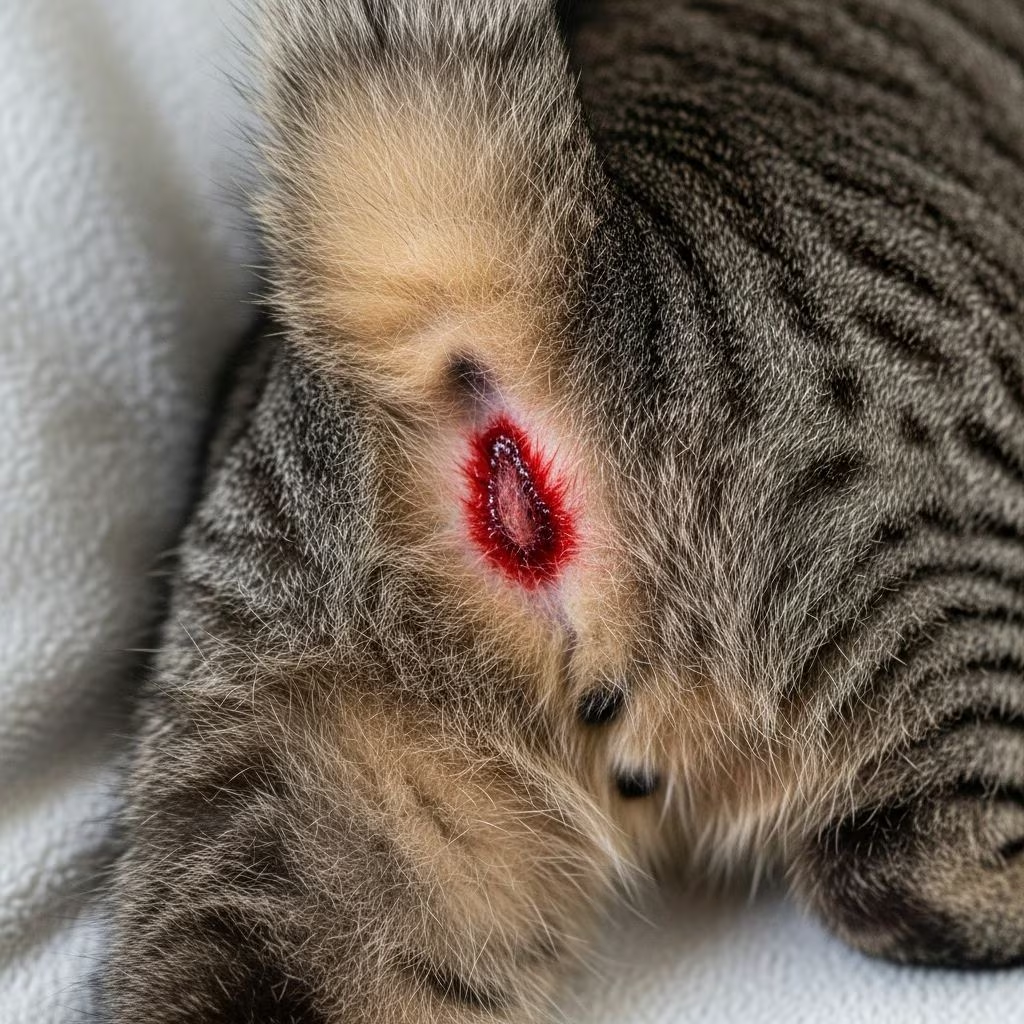
Discovering blood around your cat’s rear end can be alarming. Rectal bleeding in cats, often noticed as fresh blood on fur, stool, or bedding, signals an underlying issue requiring prompt attention. Common culprits include anal sac disease, parasites, trauma, rectal prolapse, and tumors. This comprehensive guide covers the five primary causes, diagnostic approaches, treatments, home care tips, and prevention strategies to help you support your feline’s health.
The 5 Possible Causes for a Cat’s Butt to Bleed
Rectal bleeding manifests as bright red blood from the anus or lower gastrointestinal tract, distinguishing it from darker, digested blood higher up. Identifying the source—whether skin around the anus, rectal tissue, anal sacs, or internals—is crucial for effective treatment. Veterinary evaluation is essential, as self-diagnosis risks delaying care.
1. Anal Sac Disease
Anal sacs, or glands flanking the anus at 4 and 8 o’clock positions, produce a foul-smelling fluid for scent marking, typically expressed during defecation. Blockage leads to impaction, inflammation (sacculitis), infection, or abscess formation. Full sacs cause scooting, licking, pain, and swelling. Ruptured abscesses release bloody, pus-like discharge, sometimes with a visible tract.
Symptoms include tenesmus (straining), diarrhea, or constipation. Risk factors: soft stools, obesity, allergies, or conformational issues in breeds like Persians. Untreated, sacs fistulate, causing chronic bleeding and infection.
- Impaction: Glands fill without emptying, leading to discomfort.
- Infection/Abscess: Bacteria cause swelling, rupture with bloody exudate.
- Diagnosis: Digital rectal exam reveals firm, painful sacs.
Treatment: Manual expression, flushing, antibiotics (e.g., Convenia, Clavamox), pain relief. Severe cases may require surgical resection. Owners can learn gentle expression but should avoid forceful attempts.
2. Trauma
Physical injury to the perianal area or rectum causes immediate bleeding. Common sources: bite wounds from fights, scratches from rough play, or self-trauma from excessive licking/scratching due to allergies or fleas. Ingested sharp objects like bones or needles perforate the tract, leading to hematochezia (fresh blood in stool).
Cats may show pain on defecation, tail chasing, or wounds. Kittens and outdoor cats are prone. Linear foreign bodies (string, ribbons) “saw” through intestines, causing severe hemorrhage and obstruction—emergencies needing surgery.
- External Trauma: Lacerations bleed profusely; clean and monitor.
- Internal: Foreign bodies cause progressive bleeding, vomiting.
- Treatment: Wound cleaning, sutures, antibiotics; endoscopy/surgery for internals.
Prevent by supervising play and using flea preventives.
3. Rectal Prolapse
Rectal prolapse occurs when rectal mucosa protrudes through the anus, often from chronic straining due to diarrhea, constipation, or parasites. Common in parasitized kittens, it appears as a red, tubular mass, potentially bleeding, ulcerating, or necrosing if exposed.
Symptoms: Straining, fecal incontinence, bloody mucus. Causes include severe colitis, megacolon, or dystocia. Untreated, tissue dries, leading to shock.
- Types: Partial (mucosa only) vs. complete (full thickness).
- Emergency Care: Vet replaces tissue under anesthesia, uses purse-string suture, treats underlying issue.
- Prognosis: Good if addressed quickly; surgery for recurrence.
Supportive care: Laxatives, high-fiber diet post-reduction.
4. Polyps or Neoplasia (Tumors)
Benign polyps or malignant tumors (adenocarcinoma, lymphosarcoma) in rectum/colon bleed when irritated by stool. Polyps are fleshy growths; carcinomas invade walls. Lymphosarcoma, common in older cats, spreads via lymphatics.
Signs: Chronic bleeding, weight loss, straining. Diagnosis: Colonoscopy, biopsy, imaging.
| Type | Characteristics | Treatment |
|---|---|---|
| Polyps | Benign, pedunculated | Surgical excision, histopathology |
| Adenocarcinoma | Malignant, invasive | Surgery, chemo, poor prognosis |
| Lymphosarcoma | Multicentric | Chemotherapy, oncologist referral |
Early detection improves outcomes.
5. Parasites
Intestinal worms (hookworms, roundworms, tapeworms) cause mucosal damage, inflammation, and bloody diarrhea (hematochezia). Fleas transmit tapeworms; heavy burdens lead to anemia. Protozoa like Giardia or coccidia exacerbate.
Symptoms: Diarrhea, potbelly (kittens), flea dirt. Diagnosis: Fecal flotation, flotation.
- Treatment: Pyrantel (round/hook), praziquantel (tape), fenbendazole (broad). Repeat dosing.
- Prevention: Monthly dewormers, flea control.
Parasites are a top cause in young cats.
Other Potential Causes
Beyond the top five, consider inflammatory bowel disease (IBD), colitis from bacteria/viruses, coagulopathies, or pancreatitis. IBD causes chronic inflammation, managed with diet, steroids. Coagulopathies (rodenticide toxicity) show systemic bleeding.
Diagnosis: What to Expect at the Vet
Vets start with history (diet, stool, travel) and exam. Digital rectal palpation checks sacs/prolapse. Diagnostics:
- Fecal analysis for parasites.
- Bloodwork for anemia, clotting.
- Imaging: X-rays, ultrasound for masses/obstructions.
- Endoscopy/Colonoscopy with biopsy for IBD/tumors.
Expect sedation for thorough exams.
Treatments for Cat Rectal Bleeding
Treatment targets the cause:
- Anal Sacs: Expression, antibiotics, flushing.
- Parasites: Dewormers.
- Prolapse: Manual reduction, surgery.
- Tumors: Excision, chemo.
- IBD: Hypoallergenic diet, immunosuppressants.
Supportive: Fluids, pain meds, probiotics. Surgery for foreign bodies.
What to Do If Your Cat’s Butt Is Bleeding: Immediate Steps
- Prevent licking: Cone collar.
- Monitor: Appetite, stool, behavior.
- Clean gently with saline.
- Seek vet ASAP—emergencies for prolapse, heavy bleed.
- Home first aid (mild cases): Bland diet (boiled chicken/rice) 24-48h if cat normal.
Never use human meds.
Home Care and Prevention Tips
- Fiber-rich diet for firm stools.
- Regular deworming/flea prevention.
- Weight management.
- Avoid strings/ribbons.
- Annual vet checks.
Prognosis varies; early intervention key.
Frequently Asked Questions (FAQs)
Q: What should I do if my cat’s butt is bleeding?
A: Contact your vet immediately. Check source (rectum vs. skin) gently; use cone to prevent licking. Urgent for prolapse or lethargy.
Q: Why is my cat bleeding from their anus?
A: Causes: Anal glands, parasites, trauma, prolapse, tumors. Fecal exam and exam needed.
Q: Can I treat my cat’s rectal bleeding at home?
A: Only mildly—bland diet 24-48h if cat bright. Otherwise, vet required.
Q: Is rectal prolapse in cats serious?
A: Yes, emergency; tissue can necrose. Vet reduction essential.
Q: How do I prevent anal gland problems?
A: Firm stools via diet, exercise, weight control.
References
- Anal Sac Disease in Cats — VCA Animal Hospitals. 2023. https://vcahospitals.com/know-your-pet/anal-sac-disease-in-cats
- Disorders of the Rectum and Anus in Cats — Merck Veterinary Manual. 2024-02-28. https://www.merckvetmanual.com/cat-owners/digestive-disorders-of-cats/disorders-of-the-rectum-and-anus-in-cats
- Rectal and Anal Inflammation in Cats — PetMD. 2023. https://www.petmd.com/cat/conditions/digestive/rectal-and-anal-inflammation-cats
- Cat Bleeding From the Anus: Causes and Treatment — Cats.com. 2024. https://cats.com/cat-bleeding-from-the-anus
- My Cat’s Butt Is Bleeding. What Should I Do? — Kinship. 2023. https://www.kinship.com/cat-health/cat-butt-bleeding-treatments
- Why Is My Cat’s Butt Bleeding? Our Vet Explains Causes & Treatments — Catster. 2024. https://www.catster.com/ask-the-vet/why-is-my-cats-butt-bleeding/



