

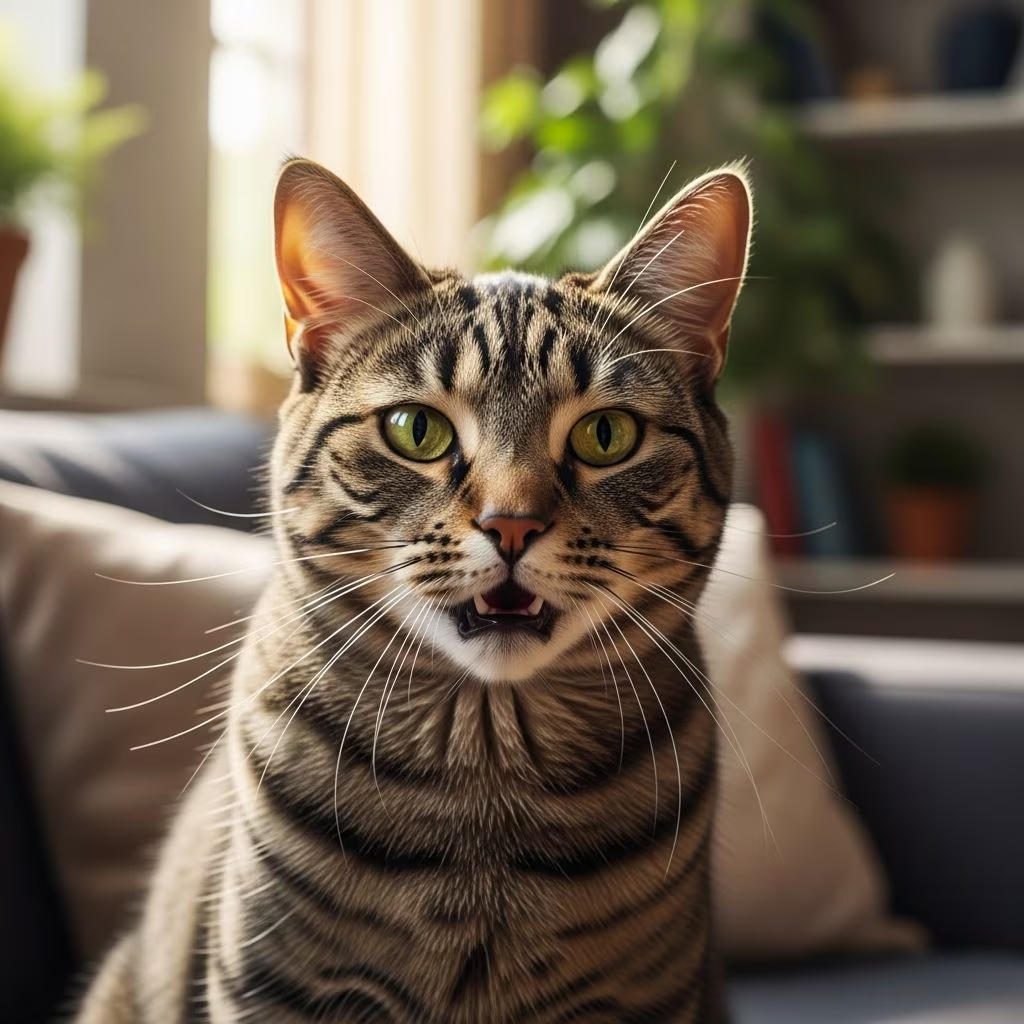
Why Is My Cat Wheezing? Understanding Respiratory Sounds in Cats
If you’ve noticed your cat making unusual wheezing sounds, you may be wondering what could be causing this concerning symptom. Wheezing in cats is never normal and indicates that your cat is struggling to breathe and needs veterinary attention. Unlike occasional coughing or sneezing, which might be minor, wheezing signals that something is affecting your cat’s airways and requires investigation by a veterinary professional. The good news is that with proper diagnosis and treatment, most causes of cat wheezing are manageable, and your feline companion can return to normal breathing.
What Exactly Is Cat Wheezing?
Wheezing in cats is a whistling or squeaky sound that occurs during breathing, typically when your cat inhales or exhales. This sound indicates that air is having difficulty moving through narrowed or inflamed airways. The wheezing sound itself is a symptom, not a diagnosis—it tells you that something is wrong with your cat’s respiratory system, but identifying the underlying cause requires veterinary expertise and diagnostic testing.
Common Causes of Cat Wheezing
There are several reasons why your cat might be wheezing, ranging from minor irritants to serious medical conditions. Understanding these causes can help you better communicate with your veterinarian and recognize when immediate care is needed.
Feline Asthma
Feline asthma, also called feline bronchitis, is a chronic respiratory disease that inflames and narrows a cat’s airways. This is the most common reason for a cat to wheeze. Just as in humans, some cats can be prone to inflammation in the airways which can lead to wheezing. This might be caused by exposure to an allergen or an illness that sparked long-term breathing troubles. Asthma is caused by an allergic response to triggers, such as dust, smoke, pollen, and scented products, which causes inflammation and narrowing of the lower airways, resulting in wheezing, coughing, and labored breathing. Cats with asthma can be treated with an inhaler and other medications that help to keep their lungs free of inflammation.
Allergies and Environmental Irritants
One of the leading causes of wheezing in cats is allergies. Allergens can include common substances such as pollen, mold, dust mites, and certain foods. These irritants can cause inflammation in your cat’s airways, leading to wheezing and other respiratory symptoms. Just like humans, cats can have allergies that affect their respiratory system. A cat’s lungs can be sensitive to allergens like dust mites, pollen, cigarette smoke, and strong scents. If your cat starts wheezing after you light a candle or clean with strong chemicals, they may be reacting to irritants in the air. Environmental irritants such as cleaning products, candles, perfumes, or litter dust can trigger temporary wheezing. Keeping your home as allergen-free as possible can make a big difference in managing your cat’s respiratory health.
Respiratory Infections
Upper respiratory infections are common in cats and can lead to wheezing. These infections are usually caused by viruses or bacteria, which inflame the airways and produce mucus, making it harder for your cat to breathe. Respiratory infections like feline herpesvirus and calicivirus can also cause wheezing. Cats with bacterial or fungal infections in the lungs can experience wheezing and coughing, with sneezing and watery eyes also commonly linked with these conditions, as is congestion. If your cat has a runny nose or is feeling under the weather, they might need a little extra TLC and possibly a trip to the vet for treatment. Fortunately, when caught early, fungal infections are fairly easy to treat.
Heartworms and Parasites
Parasitic infections can cause wheezing in cats. Heartworms and lungworms can irritate the lungs and airways, leading to inflammation, coughing, and wheezing. Severe wheezing is associated with heartworm infection in cats, and if this is the cause of your cat’s wheezing, she needs to see an emergency vet immediately. These parasitic infections affect the lungs directly and require immediate medical intervention.
Heart Disease and Congestive Heart Failure
In some cases, wheezing, coughing, trouble breathing, and sluggish behavior could be congestive heart failure signs. Heart disease can cause fluid buildup in the lungs, which leads to wheezing and labored breathing. Early detection and the right treatment plan can help your cat manage this condition and maintain a good quality of life.
Lung Cancer and Tumors
Unfortunately, lung tumors can be a cause of wheezing in cats. If your cat has persistent breathing problems, weight loss, or decreased energy, it’s important to get them checked out so your veterinarian can recommend the appropriate treatment. Growths in the lungs, airway, or chest cavity can obstruct airflow and cause wheezing.
Airway Blockages
Sometimes, a foreign object lodged in the airway can cause wheezing. This is a serious situation that requires immediate medical attention. If your cat inhales a foreign object, it can become lodged in their respiratory tract and block the airway. Airway blockages are considered emergency situations and require prompt veterinary intervention.
Other Causes
Additional causes of wheezing include hairballs that can cause wheezing or gagging as the cat tries to expel it, laryngitis, chronic lung disease, obesity that can exacerbate breathing difficulties, and stress-induced wheezing triggered by anxiety, loud noises, or environmental changes.
Mild versus Severe Causes
Understanding the severity of potential causes can help you determine how urgently your cat needs veterinary care. Some causes are typically temporary and may resolve on their own, while others require immediate professional attention.
Mild to Moderate Causes
Mild causes are usually temporary and often resolve on their own, though they may still require monitoring. These include hairballs, allergies, and environmental irritants. Moderate causes may require a vet visit for proper diagnosis and treatment, such as feline asthma, upper respiratory infections, and stress-induced wheezing.
Severe or Emergency Causes
Certain conditions require urgent veterinary attention. These include airway blockage from a foreign object lodged in the throat or nasal passage, heartworms or lungworms, heart disease with fluid buildup in the lungs, tumors or cancer in the lungs or airway, and severe asthma attacks when breathing becomes rapid or visibly strained.
Diagnosis of Cat Wheezing
Your vet will start with a full check-up to figure out what’s causing your cat’s wheezing. To determine the underlying cause of your cat’s wheezing, your veterinary team may recommend diagnostic tests such as X-rays, blood tests, or allergy testing. These tests help assess the health of your cat’s lungs and airways and pinpoint the specific allergens causing issues, if allergies are suspected. Diagnostic options include:
- X-rays to check the lungs and airway structures
- Blood tests to rule out infections or heartworms
- Allergy testing to identify potential triggers
- Physical examination and medical history review
Once the cause is clear, your vet will discuss treatment options and create a tailored care plan for your cat.
Treatment and Management Options
Treatment for cat wheezing depends on the underlying cause and may involve various approaches. Your veterinarian will recommend the most appropriate treatment based on the diagnosis.
Medications
Immediate veterinary care is essential for managing your cat’s wheezing. Depending on the diagnosis, treatment options may vary but can include medications such as bronchodilators, anti-inflammatories, and sometimes antibiotics if a bacterial infection is present. Common medications include corticosteroids like prednisolone or inhalers that may reduce inflammation and open the airways, particularly for asthma. For cats with allergies, avoiding the allergen is the best course of action, but sometimes antihistamines or other medications may be prescribed.
Inhalers and Aerosol Therapy
For asthma or chronic inflammation, inhalers can be prescribed. You’ll need a special adapter designed for cats to properly administer inhaled medications. These devices deliver medication directly to the airways, providing quick relief during wheezing episodes.
Antibiotics
If a bacterial respiratory infection is identified as the cause of wheezing, antibiotics will be prescribed to eliminate the infection and reduce airway inflammation.
Oxygen Therapy
For severe cases where breathing is severely compromised, oxygen therapy may be necessary to ensure your cat is receiving adequate oxygen.
Surgical Intervention
In severe cases, like a foreign object lodged in the airway or tumors causing obstruction, surgical intervention might be necessary. Surgery can remove blockages or growths that are preventing normal airflow.
Ongoing Management and Prevention
Managing your cat’s environment to remove potential allergens and using air purifiers can also help reduce episodes of wheezing. If asthma is diagnosed, your vet might recommend a long-term management plan, which could include regular medication to control symptoms and prevent flare-ups.
Environmental Controls
Creating a clean, allergen-reduced environment is crucial for cats prone to wheezing. Consider:
- Using air purifiers with HEPA filters to remove dust and allergens
- Minimizing exposure to cigarette smoke and strong chemical odors
- Avoiding scented candles, air fresheners, and heavily perfumed products
- Maintaining clean litter boxes with dust-free litter
- Reducing dust buildup with regular vacuuming and cleaning
Home Care During Recovery
While your cat recovers at home, keep them comfortable with a quiet space, easy access to essentials, and minimal stress. Provide:
- A calm, quiet environment to reduce stress-induced wheezing
- Easy access to food, water, and litter boxes
- Comfortable resting areas at various heights
- Regular monitoring for changes in breathing patterns
When to Seek Emergency Veterinary Care
While an occasional wheeze might not be a big deal, frequent or severe cat wheezing combined with other symptoms could mean your cat needs medical attention. Seek emergency veterinary care if your cat experiences:
- Severe wheezing accompanied by rapid or visibly strained breathing
- Blue-tinged gums or tongue indicating oxygen deprivation
- Inability to breathe or open-mouth breathing
- Lethargy or collapse
- Suspected ingestion of a foreign object
- Signs of heartworm infection with severe wheezing
Key Takeaways About Cat Wheezing
Understanding the causes and treatment options for cat wheezing empowers you to recognize symptoms early and seek appropriate care. Remember these important points:
- Wheezing in cats is never normal and always warrants veterinary evaluation
- Common causes include asthma, allergies, infections, and environmental irritants
- Some causes are emergencies requiring immediate professional attention
- Proper diagnosis through veterinary testing is essential for effective treatment
- Environmental management can significantly reduce wheezing episodes
- Long-term management plans help control chronic conditions like asthma
Frequently Asked Questions About Cat Wheezing
Q: Is occasional wheezing in cats normal?
A: No, wheezing in cats is never normal. Any wheezing indicates that your cat’s airways are obstructed or inflamed and requires veterinary evaluation, even if it occurs infrequently.
Q: Can I treat my cat’s wheezing at home?
A: While environmental management and stress reduction can help, the underlying cause of wheezing must be diagnosed by a veterinarian. Professional treatment is essential, though ongoing care may include home management strategies.
Q: How long does it take for cat wheezing to resolve?
A: Recovery time depends on the underlying cause. Wheezing from environmental irritants may resolve once the irritant is removed, while chronic conditions like asthma require ongoing management. Infections typically improve within one to two weeks of treatment.
Q: Can cat food cause wheezing?
A: Yes, food allergies can cause wheezing in cats. If you suspect a food allergy, discuss it with your veterinarian, who may recommend an elimination diet or dietary changes.
Q: Is feline asthma curable?
A: Feline asthma is a chronic condition that cannot be cured but can be effectively managed with medications, inhalers, and environmental controls to prevent flare-ups and maintain your cat’s quality of life.
Q: What should I do if my cat is wheezing?
A: Schedule a veterinary appointment as soon as possible. If your cat is experiencing severe breathing difficulties, gasping, or shows signs of distress, seek emergency veterinary care immediately.
References
- Why is Your Cat Wheezing — Clarion Animal Hospital. https://clarionanimalhospital.com/blog/why-is-your-cat-wheezing/
- Cat Wheezing: Causes and Treatment Options — Heart + Paw. https://heartandpaw.com/pet-parent-resources/cat-wheezing
- Cat Wheezing: Causes, Symptoms, and When to See a Vet — Modern Vet GA. https://modernvetga.com/cat-wheezing-causes-symptoms-and-when-to-see-a-vet/
- Why Is My Cat Wheezing? Symptoms, Causes, and Treatment — Chewy. https://www.chewy.com/education/cat/health-and-wellness/cat-wheezing
- Why Does My Cat Keep Wheezing? — West Loop Veterinary Care. https://westloopvet.com/blog/cat-wheezing/
- Why Is My Cat Wheezing? Causes, Symptoms, and When to Call the Vet — Furgent Care Vet. https://www.furgentcarevet.com/blog/why-is-my-cat-wheezing-causes-symptoms-and-when-to-call-the-vet
- Cat Wheezing: When is it Considered an Emergency? — The Village Vets Emergency. https://emergency.thevillagevets.com/blog/cat-wheezing/
- Feline Asthma in Cats: Symptoms, Treatment & Care — Bliss Animal Hospital. https://blissanimalhospital.com/blog/feline-asthma-treatment-orange-county-ca/



