

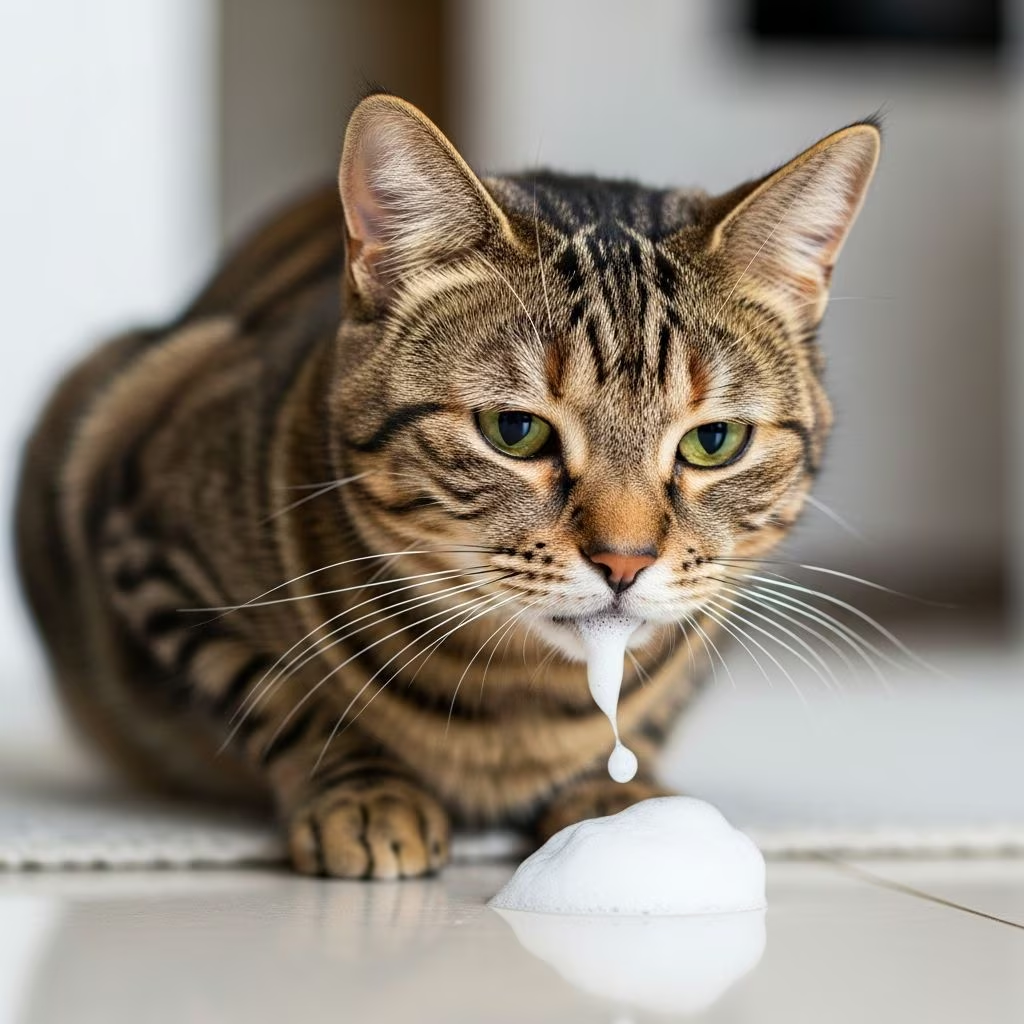
Discovering that your cat is vomiting white foam can be concerning for any pet owner. White foam in cat vomit is typically a mix of saliva and stomach acid, commonly occurring when a cat’s stomach is empty or irritated. While occasional vomiting may not be serious, understanding the underlying causes can help you determine whether your feline friend needs veterinary attention. This guide explores the most common reasons cats vomit white foam and what you can do about it.
What Is White Foam Vomit?
White foam vomit in cats typically consists of saliva mixed with gastric juices and air. This type of vomit appears when the stomach is empty or when the stomach lining is inflamed. Unlike other types of vomit that contain food or bile, white foam often indicates that your cat’s stomach has been empty for several hours, allowing gastric acids to accumulate and irritate the stomach lining.
Common Causes of White Foam Vomiting
Empty Stomach or Indigestion
One of the most common reasons cats vomit white foam is an empty stomach. This typically occurs in the morning before your cat has eaten breakfast, as stomach acid builds up overnight without food to buffer it. The accumulation of gastric acids irritates the stomach lining, triggering vomiting. If your cat regularly vomits white foam in the morning, adjusting their feeding schedule by offering smaller, more frequent meals throughout the day may help resolve the issue.
Hairballs
Hairballs are a frequent cause of white foam vomiting in cats, particularly in long-haired breeds. When cats groom themselves, they ingest hair that can accumulate in their digestive tract. While occasional hairballs are normal, excessive vomiting of hairballs could indicate an underlying issue. White foam may appear before or after the hairball is expelled. To reduce hairballs, regular brushing, hairball gels, and specialized hairball-reducing diets can be beneficial.
Dietary Issues and Food Intolerances
Sudden changes in your cat’s diet or food intolerances can trigger white foam vomiting. Food allergies in cats are typically triggered by specific proteins, such as chicken or salmon. Additionally, ingestion of foreign objects like strings, toy pieces, houseplants, or human medications and food can cause gastrointestinal irritation and vomiting. When introducing a new food, always transition gradually over 7 to 10 days to allow your cat’s digestive system to adjust.
Gastritis and Stomach Inflammation
Gastritis, or inflammation of the stomach lining, is a common cause of white foam vomiting in cats. This condition can result from various triggers, including reactions to medications (such as corticosteroids or NSAIDs), chronic kidney disease, or bacterial infections. Cats with gastritis may also experience lethargy, reduced appetite, and in severe cases, pink or red-tinged vomit indicating blood in the stomach lining. If you notice blood-tinged foam, contact your veterinarian immediately.
Inflammatory Bowel Disease (IBD)
Inflammatory bowel disease is a chronic condition affecting a cat’s digestive tract, causing the immune system to mistakenly attack the gut lining. This results in irritation, poor nutrient absorption, and frequent vomiting, sometimes featuring white foam. IBD requires specialized nutrition and medications prescribed by a veterinarian, who may recommend blood analysis, stool examinations, and tissue samples for diagnosis.
Parasites and Infections
Internal parasites such as roundworms, stomach worms, giardia, hookworms, and nematodes can cause white foam vomiting in cats. These parasites are especially common in young kittens or outdoor cats and disrupt the digestive pathway, causing inflammation, weight loss, loose stools, and vomiting. Infectious diseases like panleukopenia can also trigger vomiting of white foam. Regular deworming and parasite prevention are essential for maintaining your cat’s digestive health.
Pancreatitis
Pancreatitis, or inflammation of the pancreas, is less common but serious and may cause cats to retch intensely. Cats with pancreatitis often experience lethargy, white foam vomiting, and abdominal discomfort. This condition can result from injury, infections, or fatty meals and requires veterinary diagnosis and treatment.
Stress and Environmental Factors
Stress can impact your cat’s digestive health and potentially cause white foam vomiting. Environmental changes, loud noises, or household disruptions may trigger anxiety-related vomiting. Reducing environmental stressors, providing hiding places, and using pheromone diffusers can help decrease stress-related vomiting.
Dehydration
Dehydrated cats may produce excess stomach mucus, potentially resulting in white foam vomiting. Ensuring your cat has access to fresh water at all times is crucial. Consider using a cat water fountain to encourage hydration, or add a bit of tuna juice or low-sodium broth to their water.
Toxin Ingestion
Ingesting toxins or harmful substances can cause vomiting and requires immediate veterinary attention. Common household toxins dangerous to cats include lilies, certain houseplants, human medications, and chemical substances. If you suspect toxin exposure, contact your veterinarian or animal poison control immediately.
When to Call Your Veterinarian
While occasional vomiting may not be serious, certain situations warrant immediate veterinary attention. Contact your vet if your cat:
- Vomits frequently or persistently over several days
- Shows signs of blood in the vomit (pink or red-tinged foam)
- Exhibits lethargy, loss of appetite, or significant weight loss
- Displays signs of abdominal pain or distress
- May have ingested a foreign object or toxin
- Shows other concerning symptoms alongside vomiting
Diagnostic Tests and Procedures
Your veterinarian will perform a thorough examination to determine the cause of your cat’s white foam vomiting. Depending on the suspected cause, diagnostic tests may include:
- Blood work: To assess organ function and identify infections or disease
- Stool examination: To check for parasites
- X-rays or ultrasounds: To visualize the gastrointestinal tract and identify blockages or abnormalities
- Tissue samples: To diagnose conditions like IBD or cancer
- Urinalysis: To evaluate kidney function and hydration status
Treatment Options for White Foam Vomiting
Medications
Depending on the diagnosis, your veterinarian may prescribe various medications to manage your cat’s condition:
- Anti-nausea medications: Maropitant (Cerenia) or metoclopramide to reduce nausea and vomiting
- Stomach protectants: Famotidine (Pepcid) and H2 blockers like ranitidine or cimetidine to reduce stomach acid production
- Proton pump inhibitors: Omeprazole to manage acid reflux and gastritis
- Dewormers: Fenbendazole or pyrantel for parasite infections
- Anti-inflammatory medications: Steroids for conditions like IBD
- Antibiotics: For bacterial infections or secondary infections
- Pain medications: Buprenorphine for abdominal discomfort
- Medications for underlying conditions: Methimazole for hyperthyroidism or other disease-specific treatments
Always administer medications under veterinary supervision, as dosage varies based on your cat’s weight, age, and severity of illness.
Dietary Changes
Your veterinarian may recommend adjusting your cat’s diet to address vomiting:
- Switching to a hypoallergenic or limited-ingredient diet if food sensitivities are suspected
- Feeding smaller, more frequent meals rather than large portions
- Incorporating wet food to increase hydration and make digestion easier
- Avoiding sudden diet changes; transition new foods gradually over 7 to 10 days
- Using prescription diets formulated for sensitive digestion or specific conditions
Important note: Do not feed a bland diet such as boiled rice and chicken without veterinary guidance, as this may lack essential nutrients.
Hydration Management
Proper hydration is essential for cats with vomiting issues. Strategies to improve hydration include:
- Installing a cat water fountain to encourage drinking
- Offering wet food or adding water to dry food
- Adding tuna juice or low-sodium broth to water
- Ensuring fresh water is always available
- In severe cases, administering subcutaneous fluids to address electrolyte imbalances
Stress Reduction
Creating a calm environment can help reduce stress-related vomiting:
- Provide safe hiding places for your cat
- Maintain a stable routine and minimize household disruptions
- Use pheromone diffusers to promote relaxation
- Offer environmental enrichment through toys and interactive play
Hairball Management
For cats with hairball-related vomiting, consider:
- Regular brushing to reduce loose hair ingestion
- Hairball gels or laxatives
- Specialized hairball-reducing diets or fiber supplements
- Malt paste or similar hairball remedies
Advanced Treatments
In severe cases, more intensive treatments may be necessary:
- Surgery: For foreign body ingestion or certain cancers like gastrointestinal lymphoma
- Chemotherapy: For GI lymphoma and other malignancies
- Hospitalization: For severe symptoms requiring around-the-clock care and IV fluid support
Supplements and Probiotics
For mild cases of vomiting, supplementing with prebiotics and probiotics can help maintain a healthy gut flora and support digestive function.
Home Care and Prevention
While professional veterinary care is essential, several at-home strategies can help prevent or manage white foam vomiting:
- Feed multiple small meals: Instead of one or two large meals, offer three to four smaller meals throughout the day to prevent an empty stomach
- Maintain consistent feeding times: Establish a regular schedule to help regulate digestion
- Keep toxic substances away: Ensure houseplants, medications, and chemicals are stored safely out of reach
- Reduce hairball risk: Brush your cat regularly, especially long-haired breeds
- Monitor water intake: Ensure your cat drinks adequate water daily
- Manage stress: Provide a peaceful environment and maintain routine
- Regular veterinary check-ups: Schedule annual or semi-annual wellness exams to catch health issues early
Frequently Asked Questions (FAQs)
Q: Is white foam vomiting in cats always serious?
A: Not necessarily. While occasional white foam vomiting, especially on an empty stomach, may not be serious, persistent vomiting or vomiting accompanied by other symptoms warrants veterinary attention.
Q: Can I treat my cat’s white foam vomiting at home?
A: Minor cases may improve with dietary adjustments and frequent small meals. However, persistent vomiting requires professional veterinary diagnosis and treatment. Never treat vomiting without first consulting your vet.
Q: What should I feed a cat that vomits white foam?
A: Avoid making dietary changes without veterinary guidance. Your vet may recommend hypoallergenic diets, limited-ingredient foods, or prescription diets designed for sensitive digestion. Gradual transitions are essential when changing foods.
Q: How long does it take for vomiting to stop after treatment?
A: Recovery time varies depending on the underlying cause and treatment plan. Some conditions improve within days, while others like IBD may require ongoing management.
Q: Can stress cause white foam vomiting in cats?
A: Yes, stress can trigger vomiting in cats. Reducing environmental stressors, providing enrichment, and maintaining a stable routine can help minimize stress-related vomiting.
Q: Should I be worried if my cat vomits white foam once?
A: Occasional vomiting on an empty stomach is not uncommon and may not require immediate concern. However, if it becomes frequent or is accompanied by other symptoms, consult your veterinarian.
Q: What is the difference between vomiting and regurgitation?
A: Vomiting involves forceful expulsion of stomach contents and is an active process, while regurgitation is passive and typically involves undigested food. Foamy vomit with undigested food could indicate regurgitation rather than true vomiting.
Q: Are certain cat breeds more prone to white foam vomiting?
A: Long-haired breeds are more susceptible to hairball-related vomiting, while some breeds may have predispositions to conditions like IBD or pancreatitis. Consult your vet about breed-specific risks.
Conclusion
White foam vomiting in cats can result from various causes, ranging from benign issues like an empty stomach to serious health conditions requiring veterinary intervention. By understanding the potential causes and recognizing warning signs, you can help ensure your feline companion receives appropriate care. If your cat is experiencing persistent or concerning vomiting, schedule a veterinary appointment promptly. With proper diagnosis and treatment, most cats can recover and return to their healthy, happy selves.
References
- Cat Throwing Up White Foam: Causes, Symptoms & When to Call a Vet — PetPlace. https://www.petplace.com/article/cats/pet-health/cat-throwing-up-white-foam
- Why Is My Cat Throwing Up White Foam? Causes & Remedies — WoPet. https://wopet.com/why-is-my-cat-throwing-up-white-foam/
- Why is My Cat Throwing Up White Foam — Clarion Animal Hospital. https://clarionanimalhospital.com/blog/why-is-my-cat-throwing-up-white-foam/
- My Cat is Vomiting White Foam: What Do I Do? — Advanced Pet Care of Clear Lake. https://advancedpetcareofclearlake.com/blog/cat-vomiting-white-foam/
- Why is My Cat Vomiting White Foam? — Veteris. https://veteris.co.uk/petcare-advice/why-is-my-cat-vomiting-white-foam
- Cat throwing up white foam | Home remedies & when to see a vet — Honnas Vet. https://honnasvet.com/cat-throwing-up-white-foam/
- Cat Vomiting: Causes, Types, and What to Do — PetMD. https://www.petmd.com/cat/symptoms/cat-vomiting-causes-and-types



