

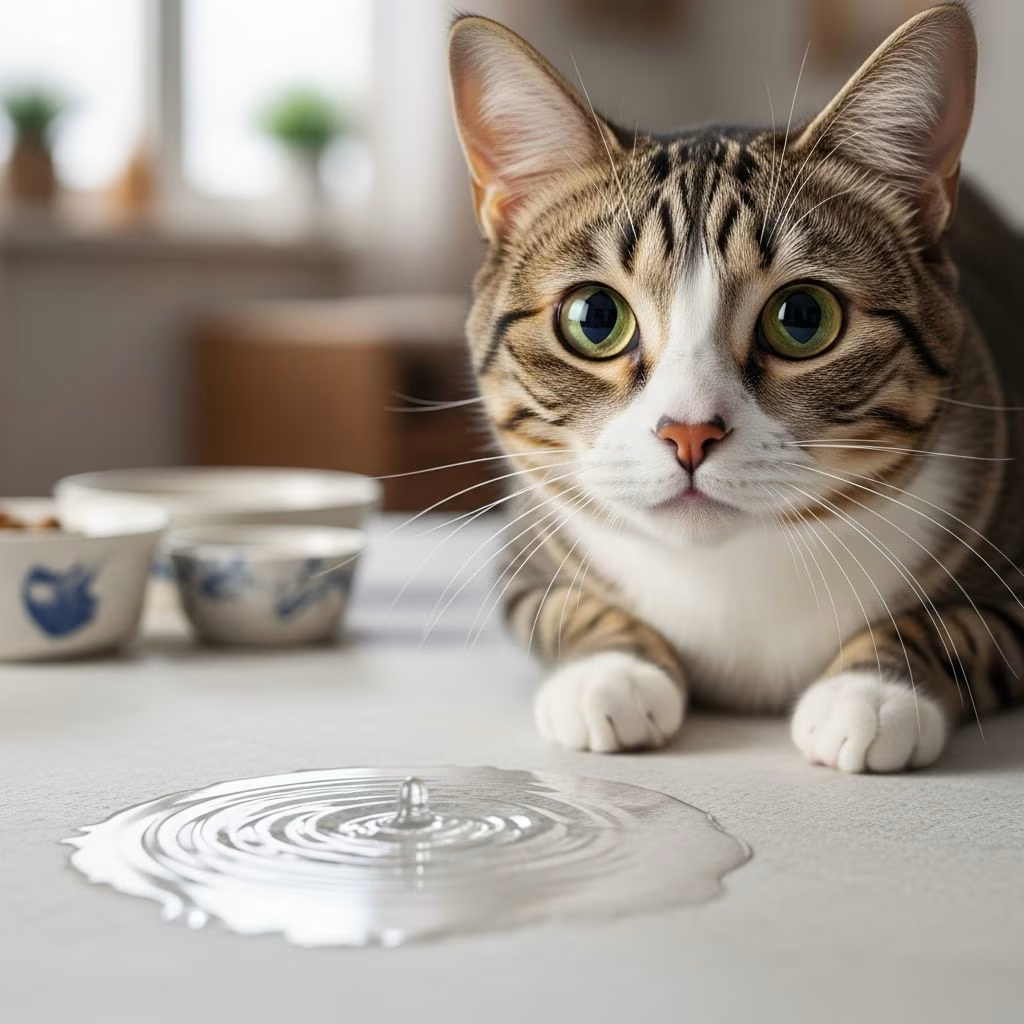
Discovering that your cat is vomiting clear liquid can be concerning for any pet owner. While vomiting itself is not normal in cats, understanding the underlying causes can help you determine whether this is a minor issue or something requiring immediate veterinary attention. Clear liquid vomit can indicate various conditions ranging from simple dietary adjustments to more serious health concerns that need professional evaluation.
Understanding Cat Vomiting: The Basics
Vomiting is considered a nonspecific symptom in cats, meaning it can be associated with many different health issues. When your cat vomits clear liquid specifically, it typically means the vomit consists of stomach fluids or gastric juices. This can occur for several reasons, including when your cat’s stomach is empty for an extended period or when they have consumed too much water too quickly. The color and consistency of cat vomit can provide important diagnostic clues about what might be happening with your feline companion.
It’s important to distinguish between vomiting and regurgitation. Vomiting is an active process where the stomach forcefully expels its contents, while regurgitation is a passive process where food comes back up from the esophagus without much effort. Clear liquid vomit can indicate either condition, and your veterinarian can help determine which one your cat is experiencing.
Common Causes of Clear Liquid Vomiting in Cats
Dietary Changes and Feeding Issues
One of the most common reasons cats throw up clear liquid is related to changes in their diet or feeding schedule. When you switch your cat’s food, it’s essential to do so gradually over a one to two-week period, slowly decreasing the amount of current food while increasing the new food. Abrupt dietary changes can disrupt your cat’s digestive system and lead to vomiting clear liquid.
Additionally, if your cat misses a meal or is fed later than usual, they may vomit clear liquid. Some cats are also habitual “scarf and barf” eaters, meaning they eat too quickly and then regurgitate their food. If your cat falls into this category and your veterinarian has ruled out other medical issues, they may recommend switching to a food formulated for sensitive stomachs or trying a slow feeder bowl to reduce the pace of eating.
Indigestion and Empty Stomach Syndrome
A cat’s stomach naturally produces gastric juices and hydrochloric acid to digest food. When a cat skips meals or misses their regular feeding time, the buildup of these digestive juices can irritate the stomach lining and cause vomiting. This condition is similar to indigestion in humans and can result in clear vomit or white foamy vomit.
If your veterinarian suspects indigestion is the culprit, they may recommend feeding your cat small, frequent meals at the same time each day. This consistent feeding schedule helps prevent the buildup of stomach acid and reduces irritation. Ensuring that food is available throughout the day, particularly dry kibble, can also help satisfy your cat’s hunger between scheduled meals.
Gastritis
Gastritis, or inflammation of the stomach lining, occurs when a cat ingests something that irritates their stomach. Cats are curious creatures and sometimes eat things they shouldn’t, such as plants, foreign objects, or toxic substances. When gastritis develops, cats may vomit clear liquid along with blood or bile. Other symptoms of gastritis include decreased appetite, depression, lethargy, and dehydration.
Your veterinarian can diagnose gastritis through a physical examination and diagnostic tests. Treatment depends on the underlying cause and may include medications to reduce stomach inflammation and protect the stomach lining.
Excessive Water Consumption
Sometimes, clear liquid vomiting simply means your cat has drunk too much water too quickly. Their body cannot process such a large volume of water at once, causing it to come back up. However, if your cat is experiencing excessive thirst beyond their normal behavior, this could be a sign of an underlying health condition such as diabetes, kidney disease, or hyperthyroidism that requires veterinary evaluation.
Hairballs
Hairballs are another common cause of clear liquid vomiting in cats. Before your cat vomits up a hairball, they often expel clear liquid first. While hairballs are common, especially in long-haired cats, frequent hairball vomiting should still be discussed with your veterinarian to rule out other issues and to explore preventive measures such as grooming, diet changes, or hairball remedies.
Serious Health Conditions Associated with Clear Liquid Vomiting
Parasitic Infections
Internal parasites, particularly roundworms, are a notable cause of cats vomiting clear liquid. In some cases, you may actually see worms in the vomit, resembling thin spaghetti strands. If you suspect your cat has parasites, contact your veterinarian for an official diagnosis and appropriate treatment. Regular worming treatments are essential for preventing parasitic infections and should be part of your cat’s routine preventive care schedule.
Intestinal Obstructions
Foreign material lodged in your cat’s intestinal tract can cause vomiting. Cats may ingest string, plastic, fabric, or other non-food items that create blockages. An obstruction is a serious condition that often requires emergency veterinary care and possibly surgery. Signs of an obstruction include repeated vomiting, loss of appetite, abdominal pain, and lethargy.
Metabolic Disorders
Certain metabolic conditions can lead to increased thirst and subsequent clear liquid vomiting. These conditions include:
- Diabetes mellitus
- Chronic kidney disease
- Hyperthyroidism
These conditions are more common in senior cats and require ongoing management with medication and dietary modifications. Early detection through regular veterinary checkups can help manage these conditions effectively.
Other Serious Conditions
Additional health concerns that may cause clear liquid vomiting include:
- Toxin ingestion or poisoning
- Pancreatitis
- Liver disease
- Feline infectious peritonitis (FIP)
- Cancer
- Constipation
Any of these conditions requires professional veterinary diagnosis and treatment, which is why persistent vomiting should never be ignored.
When to Seek Veterinary Care
While an occasional episode of clear liquid vomiting may not be cause for alarm, certain situations warrant immediate veterinary attention. You should contact your veterinarian if:
- Your cat vomits more than twice within a 24-hour period
- Blood appears in the vomit (bright red or resembling coffee grounds)
- Your cat shows signs of lethargy, weakness, or collapse
- Your cat experiences abdominal pain or bloating
- Your cat has a decreased appetite or weight loss
- Your cat shows signs of dehydration
- Vomiting persists for more than a few days
- Your cat exhibits other symptoms of illness alongside vomiting
The Veterinary Examination Process
When you bring your cat to the veterinarian for vomiting concerns, expect a thorough evaluation. Your veterinarian will start with a complete physical examination, checking your cat’s vital signs and carefully palpating the abdomen to assess for pain or abnormalities. They will ask detailed questions about your cat’s diet, recent changes, behavior, and the frequency and appearance of the vomit.
Diagnostic Tests
Depending on the physical examination findings, your veterinarian may recommend diagnostic tests, which may include:
- Blood work: Evaluates organ function, checking for signs of liver disease, kidney disease, and assessing red blood cell and platelet levels
- X-rays: Can reveal fluid in the abdomen, intestinal gas patterns indicative of blockages, or foreign objects
- Ultrasound: Provides detailed images of internal organs to identify abnormalities
- Fecal analysis: Tests for parasites if parasitic infection is suspected
These diagnostic tools help your veterinarian identify the underlying cause of your cat’s vomiting and determine the most appropriate treatment plan.
Treatment Options
Treatment for clear liquid vomiting depends entirely on the underlying cause. For dietary-related vomiting, adjustments to feeding schedules, portion sizes, and food types may resolve the issue. For cats with indigestion, more frequent smaller meals at consistent times often help. If parasites are identified, appropriate antiparasitic medications will be prescribed. For serious conditions like obstructions or infections, more aggressive treatment or surgery may be necessary.
Your veterinarian will discuss treatment options with you and may recommend a combination of dietary changes, medications, and monitoring to manage your cat’s condition effectively.
Prevention Strategies
While not all cases of clear liquid vomiting can be prevented, several strategies can reduce the likelihood:
- Maintain consistent feeding schedules: Feed your cat at the same times each day
- Make gradual dietary changes: Transition to new foods over one to two weeks
- Monitor water intake: Ensure your cat has access to fresh water but isn’t drinking excessively
- Regular grooming: Brush your cat regularly to reduce hairballs
- Keep toxic substances away: Store household toxins, plants, and small objects safely
- Maintain up-to-date parasite prevention: Follow your veterinarian’s recommendations for flea, tick, and worm treatments
- Regular veterinary checkups: Annual or bi-annual wellness visits can catch health issues early
Frequently Asked Questions
Q: Is it normal for cats to throw up clear liquid occasionally?
A: An occasional episode of clear liquid vomiting is usually not cause for concern, especially if your cat otherwise appears healthy and maintains normal appetite and energy levels. However, if vomiting becomes frequent or is accompanied by other symptoms, veterinary evaluation is recommended.
Q: What’s the difference between clear vomit and white foamy vomit?
A: Clear liquid vomit typically consists of stomach fluids or water, while white foamy vomit is usually a combination of stomach acids and saliva that the cat’s body produces in anticipation of a meal. Both can indicate vomiting on an empty stomach, but white foam may also suggest gastritis or acid buildup.
Q: Can stress cause my cat to throw up clear liquid?
A: Yes, stress and anxiety can contribute to vomiting in cats. Environmental changes, new pets, or disruptions to routine can trigger stress-related vomiting. If you suspect stress is the cause, work with your veterinarian to identify stressors and implement calming strategies.
Q: How can I tell if my cat has eaten something toxic?
A: Signs of toxin ingestion include vomiting (especially with blood or unusual colors), lethargy, loss of appetite, diarrhea, excessive drooling, and behavioral changes. If you suspect toxin ingestion, contact your veterinarian or an animal poison control center immediately.
Q: Should I change my cat’s diet if they’re vomiting clear liquid?
A: Don’t make dietary changes without veterinary guidance. Your veterinarian can determine whether diet is the issue. If dietary changes are recommended, they should be made gradually over one to two weeks to avoid further digestive upset.
Q: How often is too often when it comes to cat vomiting?
A: While occasional vomiting (once every few weeks) may not indicate a serious problem, vomiting more than once weekly or multiple times within a 24-hour period warrants veterinary evaluation to identify underlying causes.
Conclusion
When your cat throws up clear liquid, it can range from a minor dietary issue to a sign of a more serious health condition. By understanding the potential causes, recognizing warning signs, and maintaining regular veterinary care, you can help keep your feline companion healthy. Pay attention to changes in your cat’s behavior, appetite, and vomiting patterns, and don’t hesitate to contact your veterinarian when something seems off. Early detection and treatment of underlying conditions can significantly improve your cat’s quality of life and prevent complications.
References
- Possible Causes for Your Cat Vomiting Clear Liquid — Riverland Animal Clinic. Accessed November 28, 2025. https://www.riverlandingsanimalclinic.com/news/possible-causes-for-your-cat-vomiting-clear-liquid
- Cat Vomiting: Causes, Types, and What to Do — PetMD. Accessed November 28, 2025. https://www.petmd.com/cat/symptoms/cat-vomiting-causes-and-types
- Cat Throwing Up Clear Liquid (What To Do) — Dutch. Accessed November 28, 2025. https://www.dutch.com/blogs/cats/cat-throwing-up-clear-liquid
- Cat Vomit Colour Chart — Pet Drugs Online. Accessed November 28, 2025. https://www.petdrugsonline.co.uk/pet-advice/why-is-my-cat-vomiting
- Types of Cat Vomit & What it Means — Purina. Accessed November 28, 2025. https://www.purina.com/articles/cat/health/digestion/types-of-cat-vomit
- Cat Vomiting: What to Do and When It Requires Emergency Care — Golden State Veterinary Society. Accessed November 28, 2025. https://gsvs.org/blog/cat-vomiting-emergency-care/



