

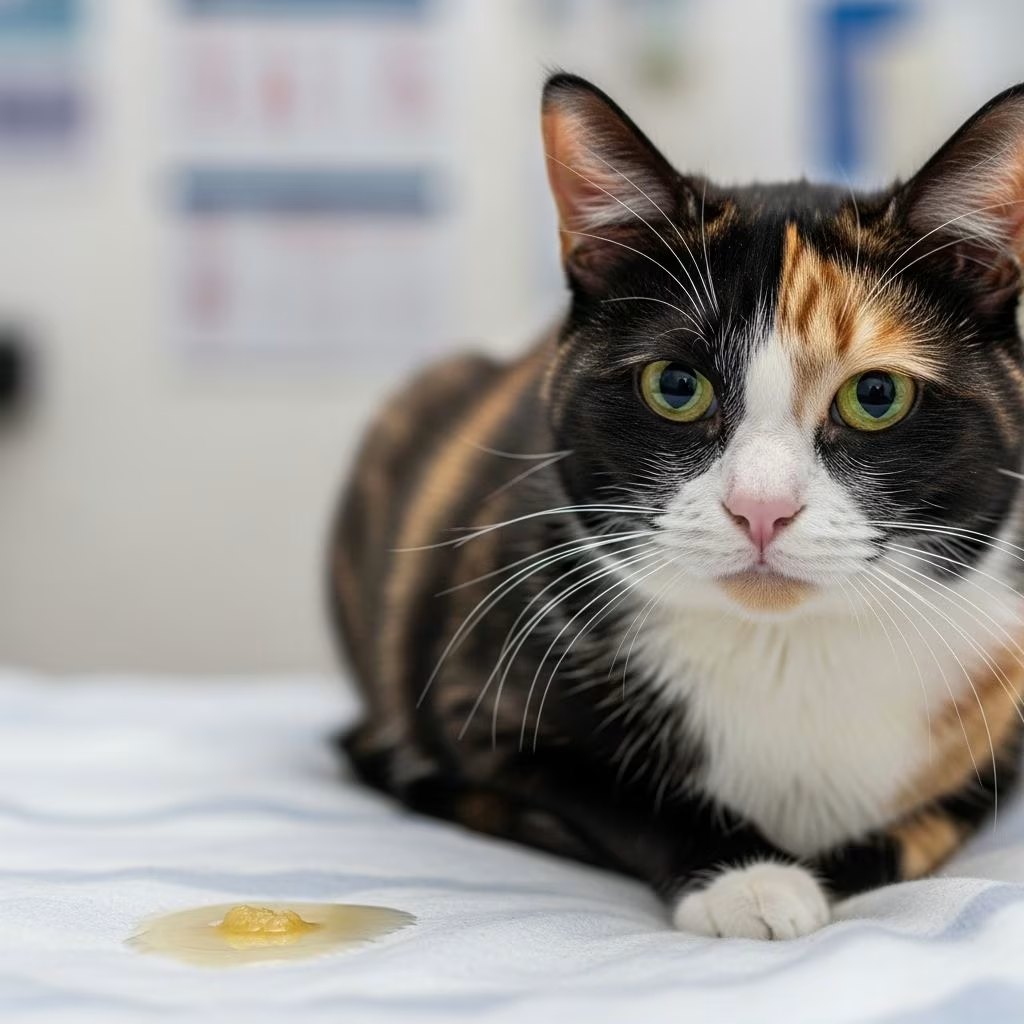
Routine veterinary visits for vaccinations are essential for protecting cats from serious diseases, but some owners notice their cat throwing up shortly after. This can be alarming, as vomiting post-vaccination may signal a vaccine reaction, stress, or motion sickness. Understanding these causes helps cat owners respond appropriately and ensure their pet’s safety.
Vaccinations stimulate the immune system to build defenses against pathogens like feline panleukopenia virus (FPV), feline herpesvirus (FHV), and feline calicivirus (FCV). While most cats tolerate them well, mild to severe side effects can occur. Vomiting is one symptom that warrants close monitoring, as it could indicate anaphylaxis—a potentially life-threatening allergic response.
This guide covers the three primary reasons for post-vaccine vomiting, how to differentiate them, and steps for care. Always consult your veterinarian if vomiting occurs, especially with other symptoms.
The 3 Reasons Your Cat Is Throwing Up After Having Vaccines
Identifying the cause of vomiting requires observing timing, accompanying signs, and context. Here are the most common explanations based on veterinary insights.
1. Vaccine Reactions
The most concerning cause is an allergic reaction to vaccine components. Cats can develop hypersensitivity to proteins or adjuvants in vaccines, leading to type I hypersensitivity reactions. These typically manifest within 30 minutes but can be delayed up to hours.
Symptoms include:
- Vomiting
- Diarrhea
- Weakness or lethargy
- Respiratory distress or difficulty breathing
- Facial or injection site swelling
- Itching, hives, or pruritus
- Collapse or shock
- Hypersalivation
Severe cases involve anaphylaxis, where histamine release causes widespread inflammation. Treatment may require antihistamines, corticosteroids, or epinephrine administered by a vet. A study monitoring over 1.25 million vaccine doses in cats reported adverse events at 0.52%, with vomiting among type I signs. Local reactions like swelling are more common and usually resolve, but systemic ones demand immediate care.
Risk factors include prior reactions or multiple vaccines in one visit. Vets may premedicate anxious cats with gabapentin to reduce stress-exacerbated responses.
2. Anxiety
Cats are sensitive to stress, and vet visits—complete with carriers, car rides, and handling—can trigger nausea. Anxiety-induced vomiting often occurs during or soon after the trip, not directly tied to the injection.
Signs of stress vomiting include:
- Excessive vocalization or hiding
- Dilated pupils
- Tail twitching or flattened ears
- Vomiting clear or foamy liquid
Gabapentin, a sedative anxiolytic, is commonly prescribed pre-visit to calm cats without heavy sedation. Pheromone sprays like Feliway or desensitization training can minimize future episodes. Unlike allergic reactions, anxiety vomiting lacks systemic signs like swelling or collapse.
3. Motion Sickness
The car ride to the vet often induces motion sickness in cats unaccustomed to travel. Symptoms peak during or right after the drive, with vomiting of undigested food or bile.
Tips to prevent it:
- Use a familiar, well-ventilated carrier.
- Withhold food 2-4 hours before travel.
- Keep the car cool, quiet, and drive smoothly.
- Administer Cerenia (maropitant), an antiemetic approved for feline motion sickness.
Motion sickness vomiting is isolated, without fever, swelling, or lethargy beyond the episode.
Differentiating the Cause of Vomiting
Distinguishing causes is crucial for proper response. Use this table to compare:
| Cause | Timing | Key Symptoms | Action |
|---|---|---|---|
| Vaccine Reaction | Within 30 min to hours | Vomiting + swelling, breathing issues, collapse | Emergency vet; possible epinephrine |
| Anxiety | During/after visit | Vomiting + stress behaviors (hiding, meowing) | Calm environment; future premedication |
| Motion Sickness | During/after car ride | Vomiting bile/food; no systemic signs | Antinausea meds; travel prep |
Monitor for 24-48 hours post-vaccine. Note vomit timing, appearance, frequency, and other signs like fever or lumps. Lumps at injection sites are normal initially but require vet checks if persistent beyond 3 months, due to rare vaccine-associated sarcomas. Seek care for repeated vomiting, blood, or distress.
In Summary
Post-vaccination vomiting in cats merits prompt attention. While anxiety or motion sickness are benign, vaccine reactions can escalate to anaphylaxis. Observe closely: contact your vet immediately for concerning signs, and prepare for future visits with preventive strategies. Vaccinations save lives, but tailored care ensures safety.
Maintain routine exams for early disease detection. Discuss vaccine schedules with your vet to minimize risks, especially for kittens or seniors.
Frequently Asked Questions (FAQs)
What should I do if my cat vomits right after vaccines?
Call your vet immediately, especially if within 30 minutes or with swelling/breathing issues. It may be anaphylaxis requiring urgent treatment.
How common are vaccine reactions in cats?
Mild reactions occur in about 0.52% of cases; severe anaphylaxis is rarer but serious.
Can stress really cause vomiting in cats?
Yes, vet visit anxiety often leads to nausea. Gabapentin or pheromones help prevent it.
Is motion sickness common on vet trips?
Many cats experience it; fasting and Cerenia reduce symptoms effectively.
When should I worry about a lump after vaccination?
If it persists >3 months or grows, see a vet for possible sarcoma screening.
Are all cat vaccines safe?
Highly safe overall, but individual sensitivities exist. Core vaccines like rabies and FVRCP are essential.
References
- Why Is My Cat Throwing Up After Having Vaccines? — Catster (Ask the Vet). 2023. https://www.catster.com/ask-the-vet/why-is-my-cat-throwing-up-after-having-vaccines/
- 4 Most Common Cat Vaccine Reactions and When To Call Your Vet — PetMD. 2023. https://www.petmd.com/cat/general-health/cat-vaccines-most-common-reactions
- GUIDELINE for Adverse reactions to vaccination — ABCD cats & vets (European Advisory Board on Cat Diseases). 2023. https://www.abcdcatsvets.org/guideline-for-adverse-reactions-to-vaccination/
- Vaccines for Cats — VCA Animal Hospitals. 2024. https://vcahospitals.com/know-your-pet/vaccines-for-cats



