

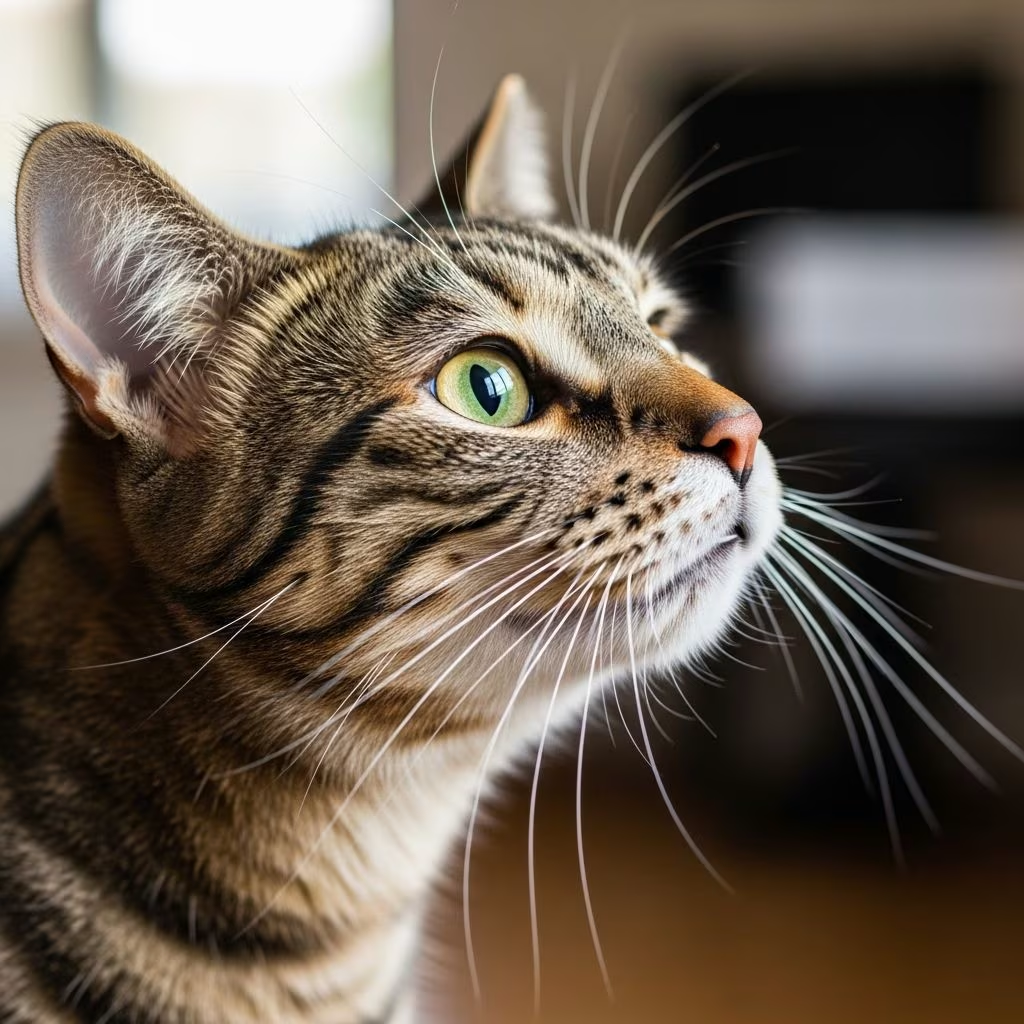
Cats rely heavily on their sense of smell to navigate the world, and sudden excessive sniffing often signals they’re gathering vital information from their environment. This behavior can stem from normal curiosity or indicate stress and health issues, so understanding the triggers is key to ensuring your cat’s well-being.
How Cats Use Their Sense of Smell
Cats possess an extraordinary olfactory system far superior to humans. The olfactory epithelium in a cat’s nose spans about 20 square centimeters, compared to just 4 in humans, allowing them to detect scents at concentrations 14 times lower. Scent receptors in the nasal cavity send signals to the olfactory bulb and amygdala, enabling cats to identify odors, recognize individuals, and assess safety.
Complementing this is the vomeronasal organ (Jacobson’s organ), located on the roof of the mouth behind the front teeth. This organ detects pheromones—chemical messages from other cats, animals, or humans—by drawing air over it with a slightly open mouth. This leads to the flehmen response, where cats curl their upper lip and hold their mouth open to analyze scents more deeply.
Why Does My Cat Keep Sniffing the Air?
Air sniffing activates the Jacobson’s organ to pick up invisible pheromones or distant scents, like prey behind walls or a potential mate. It’s a secondary olfactory system that processes chemical signals undetectable to humans. You’ll often see the flehmen response during this: mouth agape, lip curled, eyes focused—perfectly normal and not a sign of distress.
6 Reasons Why Your Cat Is Suddenly Sniffing Everything
Here are the most common vet-reviewed explanations for this behavior:
- Exploring Their Environment
Cats sniff new or changed items—like toys, furniture, or guests—to identify who’s been there, assess safety, and determine edibility. Household smells, foods, plants, or human sweat can trigger intense investigation, especially catnip, which chemically stimulates the brain. - Marking or Checking Territory
As territorial animals, cats use scent glands on cheeks and paws to claim spaces. Sudden sniffing checks for intruders’ scents from other cats or pets. They may rub or spray urine (a stress sign) to reassert ownership. - Stress or Environmental Changes
Major disruptions like moving, vet visits, new babies, or pets heighten anxiety, prompting sniffing to re-map familiar scents. Pheromone products can help calm stressed cats showing spraying or over-grooming. - Hunger or Appetite Stimulation
A whiff of food, treats, or spilled edibles prompts thorough sniffing to locate meals. Cats decide food safety via smell before eating. - Normal Aging Process
Senior cats (8+ years) may sniff more due to cognitive decline or sensory changes, akin to human memory lapses. Monitor for hyperthyroidism signs like weight loss or hyperactivity in older felines. - Underlying Medical Issues
Excessive sniffing with disorientation could signal neurological problems, infections, toxins (e.g., garlic, onions, essential oils), poisoning, or dental disease causing bad odors. Conditions like asthma, heatstroke, or hyperthyroidism warrant vet attention if accompanied by lethargy, vomiting, or panting.
Flehmen Response in Cats: What It Looks Like and Why It Happens
The flehmen response is a normal reflex where cats open their mouth slightly, curl the upper lip, and “taste” the air to direct pheromones to the vomeronasal organ. Triggers include catnip, urine, or strong odors. It’s short-lived and specific to intriguing scents, unlike panting (stress/heat), sneezing (allergies), or chattering (hunting).
| Behavior | Description | Key Differences |
|---|---|---|
| Flehmen Response | Mouth slightly open, lip curled, intense sniffing | Scent-specific, short-lived, normal |
| Panting | Mouth open, rapid breathing | Stress, heat, exertion; not scent-related |
| Sneezing | Forceful nasal exhale | Dust, allergies, illness |
| Yawning | Wide jaw stretch | Tiredness, relaxation |
| Teeth Chattering | Rapid jaw clicks | Hunting instinct, prey sighting |
Medical Concerns: When Sniffing Is a Red Flag
While often benign, persistent sniffing with symptoms like disorientation, lethargy, vomiting, seizures, labored breathing, or weight loss signals issues such as poisoning, infections, asthma, heatstroke, or heart/respiratory problems. Dental disease causes foul mouth odors from plaque, gum inflammation, or tumors. Hyperthyroidism in seniors (8+ years) can manifest similarly—monitor closely.
Contact a vet immediately for severe distress, additional symptoms, or if behavior persists beyond a few days. Err on caution, especially post-toxin exposure or in emergencies.
How to Help Your Cat
- Introduce changes gradually to minimize stress.
- Use synthetic pheromones (e.g., Feliway) for anxious cats.
- Provide scent enrichment: catnip toys, scratching posts.
- Ensure regular vet check-ups, especially for seniors.
- Check for toxins/plants and secure them.
- Maintain dental health with brushing and professional cleanings.
Frequently Asked Questions (FAQs)
Why is my cat sniffing me more than usual?
Your cat detects new scents on you from places visited, other animals, or food spills. It’s their way of gathering info via your unique odor profile.
Why does my cat keep sniffing loudly?
Loud sniffing or huffing expresses frustration or vomeronasal use. Persistent loudness may indicate nasal infection—see a vet.
Is excessive sniffing normal in older cats?
Yes, due to aging sensory changes, but rule out hyperthyroidism or cognitive issues with vet exams.
Can stress cause sudden sniffing?
Absolutely—events like moves or new pets prompt re-scenting territory. Pheromone diffusers help.
In Summary
Your cat’s sudden sniffing frenzy is usually harmless exploration powered by their superior nose and Jacobson’s organ. From territory checks to flehmen responses, it’s how they understand their world. However, paired with health symptoms, seek veterinary advice promptly for peace of mind.
References
- Flehmen Response in Cats – Why Cats Do This & How to Recognize It — Litter-Robot. 2023. https://www.litter-robot.com/blog/flehmen-response-in-cats/
- Why Is My Cat Sniffing Everything All of a Sudden? — Cats.com. 2023. https://cats.com/why-is-my-cat-sniffing-everything-all-of-a-sudden
- My Cat Suddenly Seems Really Out of It and Keeps Sniffing — Dial A Vet. 2024. https://www.dialavet.com/vet-answers/cat-sniffing-lost-behavior-concern-177329
- Why Is My Cat Suddenly Sniffing Everything? 6 Vet-Reviewed Reasons — Catster. 2024. https://www.catster.com/cat-behavior/why-is-my-cat-suddenly-sniffing-everything/
- Why Is Your Cat Suddenly Sniffing Everything: 5 Vet-Approved Reasons — Hepper. 2023. https://articles.hepper.com/why-is-your-cat-suddenly-sniffing-everything/
- Causes of Bad Odors in Cats — PetMD. 2024. https://www.petmd.com/cat/general-health/causes-bad-odors-cats
- Flehmen Response in Cats: Why They Open Their Mouths To Smell — Rover. 2023. https://www.rover.com/blog/cat-open-mouth-smell/



