

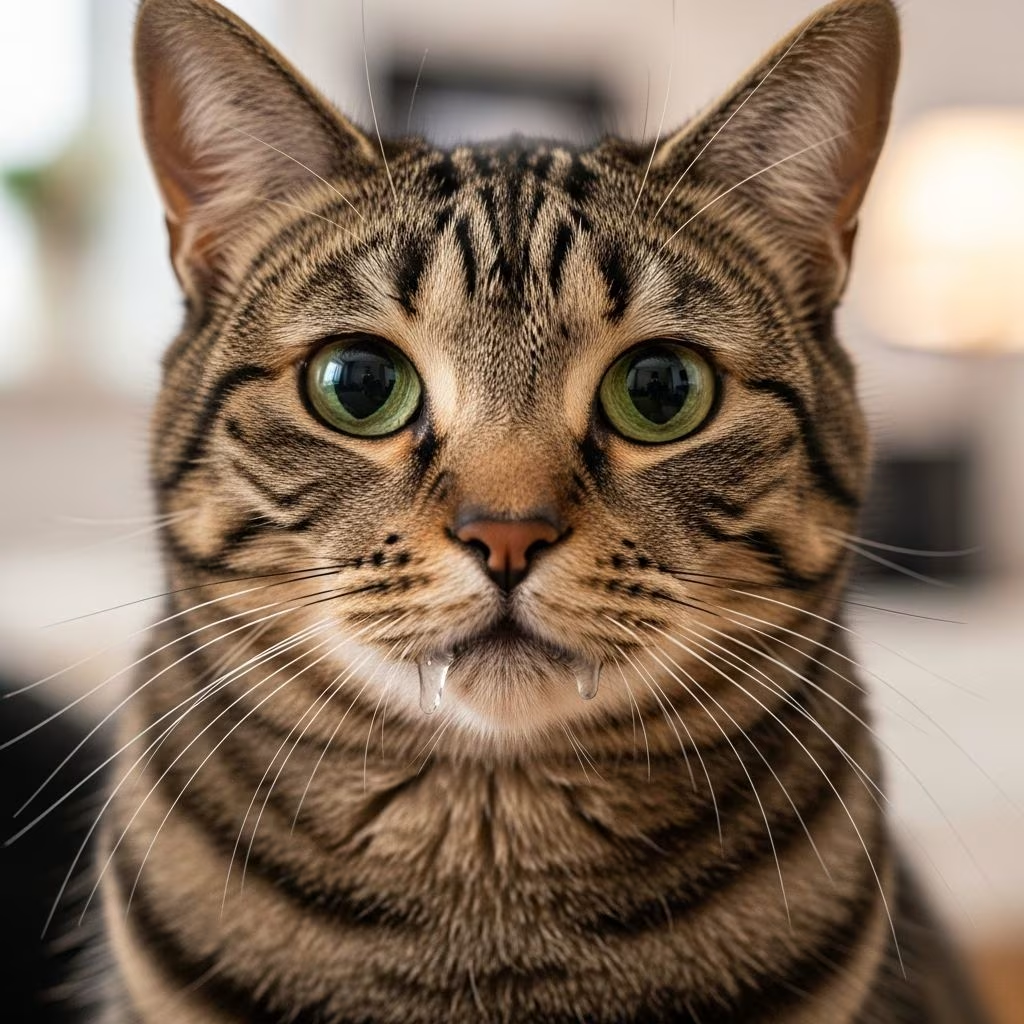
Sudden drooling, or ptyalism, in cats can be alarming for pet owners. While some cats drool when content—such as during purring or kneading—unexpected or excessive salivation often points to an underlying issue. This article explores the most common reasons for sudden cat drooling, associated symptoms, and steps to take for your feline’s health.
Normal vs. Abnormal Drooling in Cats
Cats naturally produce saliva to aid digestion and maintain oral health. **Normal drooling** occurs in relaxed states, like when your cat is happy, receiving pets, or eating tasty food. It’s typically minimal and short-lived.
In contrast, **abnormal drooling** is sudden, excessive, or persistent. It may drip from the mouth, wet the chin or paws, and accompany other signs like pawing at the mouth or appetite loss. Up to 90% of cats over age 4 have dental disease contributing to this. If drooling starts abruptly, monitor closely and consult a vet.
1. Dental and Oral Health Problems
The leading cause of sudden drooling is **dental disease**, affecting most adult cats. Pain from inflamed gums or damaged teeth prevents normal swallowing, causing saliva buildup.
- Gingivitis and Periodontal Disease: Bacterial buildup leads to gum inflammation and tartar, causing discomfort.
- Tooth Resorption or Fractures: Eroded or broken teeth expose nerves, triggering pain and drooling.
- Stomatitis: Severe mouth inflammation makes eating impossible.
- Oral Ulcers or Abscesses: Infections create painful sores.
Symptoms to watch: Bad breath (halitosis), pawing at mouth, difficulty eating, swollen gums, bleeding, or visible tartar. Early dental cleanings can prevent progression.
2. Nausea and Gastrointestinal Issues
Cats drool when nauseous, similar to humans. The body produces excess saliva ahead of vomiting.
- Hairballs or Diet Changes: Indigestible matter irritates the stomach.
- Kidney or Liver Disease: Toxin buildup causes chronic nausea, often with weight loss.
- Pancreatitis or Gastritis: Stomach inflammation leads to queasiness.
- Motion Sickness: Car rides trigger drooling and restlessness.
Accompanying signs include lip licking, vomiting, reduced appetite, or lethargy. Persistent nausea warrants bloodwork to check organ function.
3. Exposure to Toxins or Poisons
Curious cats may ingest toxins, prompting immediate drooling from mouth irritation or nausea.
- Household Chemicals: Cleaners, antifreeze cause burns or systemic effects.
- Toxic Plants: Lilies, poinsettias irritate orally.
- Medications: Human drugs like acetaminophen are deadly.
Emergency action: If toxin exposure is suspected, call Pet Poison Helpline (855-764-7661) immediately. Symptoms escalate quickly with tremors or seizures.
4. Upper Respiratory Infections
Viral or bacterial infections like feline calicivirus or rhinotracheitis cause nasal congestion, forcing mouth breathing and drooling.
- Congestion blocks nasal passages.
- Secondary mouth ulcers from calicivirus.
Other signs: Sneezing, runny eyes/nose, coughing, fever. Antibiotics or antivirals treat secondary infections; vaccines prevent common strains.
5. Stress and Anxiety
Stress releases endorphins, sometimes causing drooling. Common triggers include vet visits, car trips, new pets, or loud noises.
- Temporary: Stops once stressor ends.
- Signs: Flattened ears, hiding, vocalizing.
Use pheromone diffusers or calming supplements for management.
6. Trauma or Injuries to the Mouth
Injuries like fractures, burns, or foreign objects cause pain-induced drooling.
- Foreign Bodies: Stuck bones or strings.
- Burns: From hot food or cords.
- Fights/Accidents: Broken jaws.
Cats paw at the mouth or drop food. X-rays diagnose fractures.
7. Other Serious Conditions
Rarer causes include:
- Heatstroke: Panting, drooling in hot environments.
- Oral Tumors or Cancer: Growths impede swallowing.
- Seizures: Pre-ictal drooling.
- Systemic Diseases: Kidney failure, hyperthyroidism.
| Condition | Key Symptoms | Vet Action |
|---|---|---|
| Dental Disease | Bad breath, pawing mouth | Dental cleaning, extractions |
| Toxins | Sudden onset, vomiting | Decontamination, supportive care |
| Respiratory Infection | Sneezing, discharge | Antibiotics if bacterial |
| Stress | Contextual (e.g., car ride) | Calming aids |
When to See a Vet
Seek immediate care if drooling pairs with:
- Refusal to eat/drink >24 hours.
- Bleeding, swelling, or odor.
- Lethargy, vomiting, diarrhea.
- Suspected toxin exposure.
- Persistence >1-2 days.
Vets perform oral exams, blood tests, imaging, or biopsies.
How Vets Diagnose and Treat Cat Drooling
Diagnosis starts with history and exam. Treatments target causes:
- Dental: Professional cleaning under anesthesia.
- Infections: Medications.
- Toxins: Induced vomiting, IV fluids.
Prevent with routine checkups, dental diets, and toxin-proofing homes.
Preventing Sudden Drooling in Cats
- Annual vet dental checks.
- Brushing teeth with pet toothpaste.
- Secure toxins/plants.
- Vaccinate against respiratory viruses.
- Reduce stress with enrichment.
Frequently Asked Questions (FAQs)
Is sudden cat drooling always serious?
Not always—stress or nausea can cause it temporarily. But persistent cases need vet evaluation.
Why do cats drool when happy?
Relaxation triggers endorphins and saliva, mimicking nursing.
Can dental disease cause drooling without bad breath?
Yes, early stages may lack odor but still cause pain.
What if my cat drools and won’t eat?
This signals pain or nausea—see a vet urgently to prevent dehydration.
Do kittens drool like adults?
Rarely; sudden drooling in kittens often means foreign objects or infections.
References
- Is Your Cat Drooling? Uncover the Reasons and Solutions! — Central Kentucky Vet. 2024-12-26. https://centralkentuckyvet.com/2024/12/26/is-your-cat-drooling-uncover-the-reasons-and-solutions/
- Excessive Drooling in Cats: Causes, Concerns, and Treatments — Loveland Regional Animal Hospital. N/A. https://lovelandregional.com/blog/excessive-drooling-in-cats/
- Cat Drooling Explained: When It’s Normal and When to Worry — Loving Care Animal Hospital. N/A. https://www.lovingcareanimalhospital.net/cat-drooling-explained/
- Why Is My Cat Drooling? 14 Reasons, and When to See a Vet — GoodRx. N/A. https://www.goodrx.com/pet-health/cat/why-is-my-cat-drooling
- Why Is My Cat Drooling? — PetMD. N/A. https://www.petmd.com/cat/symptoms/why-my-cat-drooling
- Drooling in Cats — PDSA. N/A. https://www.pdsa.org.uk/pet-help-and-advice/pet-health-hub/symptoms/drooling-in-cats
- Excessive Drooling (Ptyalism) in Cats — Vetster. N/A. https://vetster.com/en/symptoms/cat/excessive-drooling-ptyalism



