

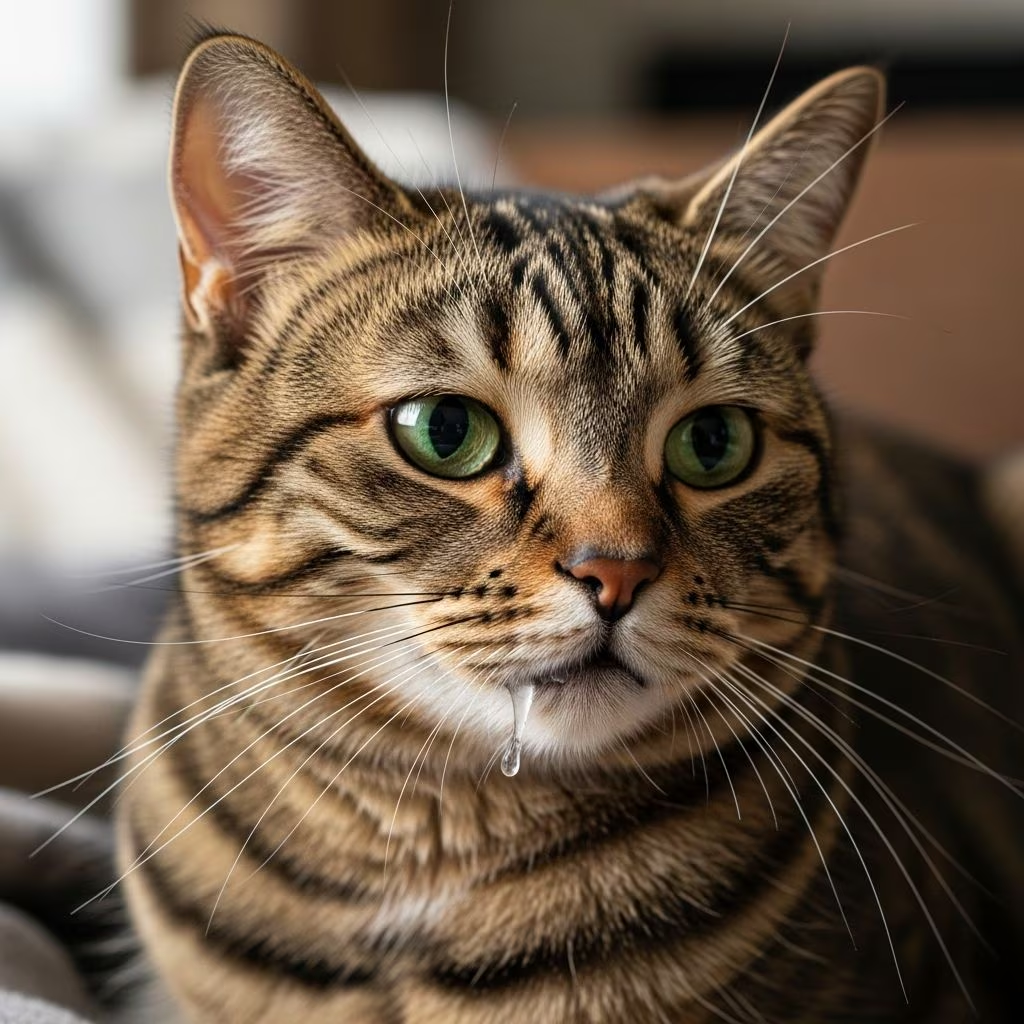
Why Is My Cat Suddenly Drooling? Understanding the Causes
If you’ve noticed your cat drooling more than usual, you’re right to pay attention. While a small amount of drooling can be normal, especially when a cat is relaxed or purring, sudden or excessive drooling often signals an underlying health issue that requires investigation. Drooling, medically known as ptyalism, can indicate anything from minor dental problems to serious systemic conditions. Understanding the potential causes can help you determine whether your cat needs a veterinary visit and how urgently.
Dental and Oral Health Problems
The most common cause of excessive drooling in cats is dental disease. Studies suggest that up to 90% of cats experience dental disease at some point in their lives, making it one of the most prevalent health concerns in feline medicine. When cats suffer from oral health problems, they often produce excess saliva as their body’s natural response to mouth irritation and pain.
Common Dental Issues That Cause Drooling
- Gingivitis and Periodontal Disease: Inflammation of the gums and deeper dental structures causes significant discomfort and increased saliva production. These conditions develop when plaque and tartar accumulate on teeth, creating an environment for bacterial growth.
- Tooth Decay and Cavities: Broken or fractured teeth can expose sensitive areas and cause pain, triggering excessive drooling as your cat tries to manage the discomfort.
- Tooth Abscesses: Infections at the tooth root create painful pockets of pus that stimulate saliva production and often cause facial swelling.
- Stomatitis: This severe inflammation of the soft tissues in the mouth makes eating, swallowing, and even closing the mouth difficult, resulting in continuous drooling.
- Oral Ulcers: Painful sores in the mouth from infections, burns, or toxic exposure prompt drooling as the body reacts to the irritation.
Signs That Your Cat Has Dental Problems
Beyond drooling, cats with dental issues typically display several warning signs:
- Bad breath or foul-smelling odor from the mouth
- Pawing at the mouth or face
- Difficulty eating or chewing, especially hard kibble
- Refusal to eat or reduced appetite
- Visible tartar buildup on teeth
- Swollen, red, or bleeding gums
- Bleeding from the mouth
If you notice any combination of these symptoms alongside drooling, schedule a dental examination with your veterinarian promptly. Dental disease can worsen quickly and lead to tooth loss, infections, and systemic health problems if left untreated.
Nausea and Gastrointestinal Issues
Drooling frequently accompanies nausea in cats. When your cat feels queasy, whether from an upset stomach, motion sickness, or gastrointestinal disease, the body responds by producing excess saliva. This is a common symptom that shouldn’t be ignored, as it can indicate various internal problems.
Common Causes of Nausea-Related Drooling
- Motion Sickness: Car rides and travel often trigger nausea in cats, resulting in drooling, restlessness, and excessive meowing.
- Dietary Upset: Changes in diet or eating something that disagrees with your cat’s stomach can cause temporary nausea and drooling.
- Hairballs: The accumulation of hair in the digestive tract can irritate the stomach and trigger nausea.
- Gastritis: Inflammation of the stomach lining causes drooling, vomiting, reduced appetite, and general discomfort.
- Kidney Disease: Chronic kidney disease causes a buildup of toxins in the bloodstream, leading to nausea and increased salivation.
- Gastrointestinal Infections: Bacterial or parasitic infections in the digestive tract can produce drooling and other digestive symptoms.
If your cat’s drooling is accompanied by vomiting, loss of appetite, weight loss, or lethargy, contact your veterinarian to rule out serious gastrointestinal conditions.
Toxins and Poisoning
Cats are naturally curious and may accidentally ingest toxic substances or plants. Many common household items are dangerous to cats and can cause drooling as a primary symptom. Toxin exposure represents a medical emergency that requires immediate professional attention.
Types of Toxins That Cause Drooling
- Household Plants: Many common houseplants are toxic to cats, including lilies, poinsettias, dieffenbachia, and philodendrons. These can cause oral irritation and systemic poisoning.
- Cleaning Products: Chemical cleaners, disinfectants, and detergents can cause chemical burns in the mouth and esophagus, triggering immediate drooling.
- Medications: Human medications and some veterinary medications can cause oral irritation or systemic toxicity when ingested by cats.
- Antifreeze: This common automotive product is highly toxic to cats and causes acute symptoms including excessive drooling and neurological problems.
- Pesticides and Insecticides: Exposure to these chemicals through direct contact or ingestion can cause drooling and neurotoxic symptoms.
- Foods Toxic to Cats: Certain human foods like chocolate, onions, garlic, and xylitol-containing products are poisonous to felines.
If you suspect your cat has ingested a toxin, contact the Pet Poison Helpline immediately at 855-764-7661 or your nearest emergency veterinary clinic. Time is critical in toxin exposure cases, and rapid treatment can be life-saving.
Upper Respiratory Infections
Respiratory infections are another common cause of drooling in cats. When cats develop upper respiratory infections caused by viruses or bacteria, they experience nasal congestion and discharge that forces them to breathe through their mouth. This mouth breathing naturally leads to increased drooling.
Common Respiratory Infections in Cats
- Feline Viral Rhinotracheitis: A highly contagious viral infection causing nasal congestion and discharge.
- Feline Calicivirus: Another common viral infection that affects the upper respiratory tract.
- Bacterial Respiratory Infections: Secondary bacterial infections can develop following viral infections.
Associated Symptoms
Cats with respiratory infections typically display multiple symptoms beyond drooling:
- Runny nose and nasal discharge
- Eye discharge or conjunctivitis
- Sneezing and coughing
- Congestion and difficulty breathing
- Lethargy and reduced appetite
- Fever
Most respiratory infections resolve with supportive care, but severe cases require veterinary treatment to prevent complications.
Mouth Injuries and Trauma
Physical injuries to the mouth and jaw commonly cause excessive drooling. Cats may sustain mouth injuries through various accidents and incidents that create pain and prevent normal mouth closure and swallowing.
Types of Mouth Injuries
- Fractured or Broken Jaw: Trauma from accidents or fights can break the jaw, making it impossible for cats to close their mouth properly and causing continuous drooling.
- Broken or Fractured Teeth: Dental trauma exposes sensitive tooth structures and creates pain with every movement.
- Cuts and Lacerations: Wounds inside the mouth from sharp objects or rough play cause pain and bleeding.
- Electrical Burns: Cats that chew on electrical cords suffer severe burns inside their mouth, causing swelling, pain, and drooling.
- Thermal Burns: Eating hot food or coming into contact with hot surfaces can burn the mouth and throat.
- Foreign Objects: Bones, string, cat biscuits, or other items lodged in the mouth cause irritation, pain, and drooling.
Mouth injuries often require professional examination and treatment. If your cat has sustained visible trauma or is drooling alongside signs of mouth pain, seek veterinary care promptly.
Stress and Anxiety
Emotional stress and anxiety can manifest physically in cats, with drooling being one potential symptom. When cats experience fear or anxiety, their bodies release stress hormones that can increase salivation. This type of drooling is usually temporary and subsides once the stressful situation ends.
Common Stressful Situations
- Visits to the veterinary clinic
- Car rides and travel
- Changes in home environment or routine
- Introduction of new pets or people
- Loud noises, thunderstorms, or fireworks
- Moving to a new home
Cats under stress may also display flattened ears, vocalization, dilated pupils, and attempts to escape the situation. If your cat drools during specific stressful events but shows normal behavior otherwise, the drooling is likely stress-related and not indicative of a serious health problem.
Other Serious Health Conditions
While less common than dental disease, several serious health conditions can cause drooling in cats and warrant immediate veterinary attention.
Systemic Diseases
- Kidney Disease: Chronic kidney disease causes toxin buildup in the bloodstream, leading to nausea and drooling alongside weight loss and behavioral changes.
- Liver Disease: Hepatic dysfunction can cause drooling and other systemic symptoms.
- Oral Tumors: Growths in or around the mouth prevent normal swallowing and cause saliva accumulation and drooling.
- Feline Infectious Peritonitis (FIP): This serious viral disease can cause oral symptoms and drooling in some cases.
- Seizure Disorders: Cats commonly drool before, during, and after seizures as their neurological system misfires.
- Heatstroke: Cats exposed to excessive heat without proper ventilation or water access may pant and drool excessively as their body attempts to cool down. This is a medical emergency.
Bitter Taste Reactions and Medication
Some cats drool in response to bitter-tasting substances, particularly medications. When a cat tastes something unpleasant, their mouth naturally produces excess saliva as a reflex to wash away the unwanted taste. This is a temporary response and typically resolves quickly once the medication or substance is removed.
When to Seek Veterinary Care
Understanding the difference between normal and concerning drooling is essential for responsible pet care. While occasional, mild drooling may be normal in some cats, certain situations warrant prompt veterinary evaluation.
Seek Immediate Veterinary Care If:
- Your cat is drooling excessively and this is a new behavior
- Drooling is accompanied by difficulty breathing or choking
- Your cat shows signs of toxin ingestion
- There is visible injury, swelling, or bleeding in the mouth
- Your cat is unable to swallow or eat
- Drooling is accompanied by vomiting, lethargy, or loss of appetite
- Your cat displays neurological symptoms like seizures or loss of coordination
- Severe heatstroke symptoms are present
Schedule a Non-Urgent Veterinary Visit If:
- Drooling persists for more than a few hours without explanation
- Your cat is drooling alongside bad breath
- Drooling is accompanied by minor behavioral changes
- You suspect dental disease
- Your cat shows signs of mild respiratory infection
Diagnostic Approach at the Veterinary Clinic
When you bring your drooling cat to the veterinarian, the professional will take a systematic approach to identify the underlying cause. The examination typically includes a thorough oral inspection, physical assessment, and potentially diagnostic imaging or bloodwork to evaluate systemic conditions. Your veterinarian will ask detailed questions about when the drooling started, associated symptoms, recent diet changes, potential toxin exposure, and your cat’s medical history.
Treatment Options
Treatment for drooling depends entirely on the underlying cause. Dental disease may require professional cleaning, extractions, or antibiotics. Nausea-related drooling might improve with dietary changes or medication. Toxin exposure requires decontamination and supportive care. Stress-related drooling typically resolves with environmental modifications or calming supplements. Respiratory infections often improve with antibiotics and supportive care. The key is identifying the root cause so appropriate treatment can begin.
Frequently Asked Questions
Q: Is it normal for cats to drool?
A: Small amounts of drooling can be normal in some cats, especially when they’re relaxed, purring contentedly, or eating. However, sudden or excessive drooling that represents a change from your cat’s normal behavior warrants veterinary investigation.
Q: How do I know if my cat’s drooling is serious?
A: Assess whether the drooling is accompanied by other symptoms like bad breath, difficulty eating, behavioral changes, or signs of illness. Drooling that appears suddenly and persists, especially with accompanying symptoms, indicates a health problem requiring veterinary evaluation.
Q: Can stress really cause cats to drool?
A: Yes, stress and anxiety can trigger temporary drooling in cats. This stress-related drooling typically occurs during specific situations like vet visits or car rides and resolves once the stressful situation ends. If your cat drools only during these circumstances, stress is likely the cause.
Q: What should I do if my cat ate something toxic?
A: Contact the Pet Poison Helpline at 855-764-7661 immediately or go to an emergency veterinary clinic. Provide information about what your cat ingested and when. Time is critical in toxin cases, and professional treatment can be life-saving.
Q: How can I prevent dental disease in my cat?
A: Establish a dental care routine including regular teeth brushing, provide dental-specific food or treats, and schedule annual dental checkups with your veterinarian. Professional cleanings may be recommended based on your cat’s dental health status.
Q: Will my cat need medication if they’re drooling?
A: It depends on the underlying cause. Dental disease might require antibiotics or pain medication. Respiratory infections may need antiviral or antibiotic treatment. Nausea-related issues might benefit from anti-nausea medication. Your veterinarian will recommend appropriate treatment based on diagnosis.
References
- Excessive Drooling in Cats: Causes, Concerns, and Treatments — Loveland Regional Animal Hospital. 2024. https://lovelandregional.com/blog/excessive-drooling-in-cats/
- Cat Drooling Explained: When It’s Normal and When to Worry — Loving Care Animal Hospital. 2024. https://www.lovingcareanimalhospital.net/cat-drooling-explained/
- Why Is My Cat Drooling? 14 Reasons, and When to See a Vet — GoodRx Pet Health. 2024. https://www.goodrx.com/pet-health/cat/why-is-my-cat-drooling
- Why Is My Cat Drooling? — PetMD. 2024. https://www.petmd.com/cat/symptoms/why-my-cat-drooling
- Drooling in Cats — People’s Dispensary for Sick Animals (PDSA). 2024. https://www.pdsa.org.uk/pet-help-and-advice/pet-health-hub/symptoms/drooling-in-cats
- Excessive Drooling (Ptyalism) in Cats – Causes, Treatment — Vetster. 2024. https://vetster.com/en/symptoms/cat/excessive-drooling-ptyalism
- Is Your Cat Drooling? Uncover the Reasons and Solutions! — Central Kentucky Veterinary Hospital. 2024-12-26. https://centralkentuckyvet.com/2024/12/26/is-your-cat-drooling-uncover-the-reasons-and-solutions/



