

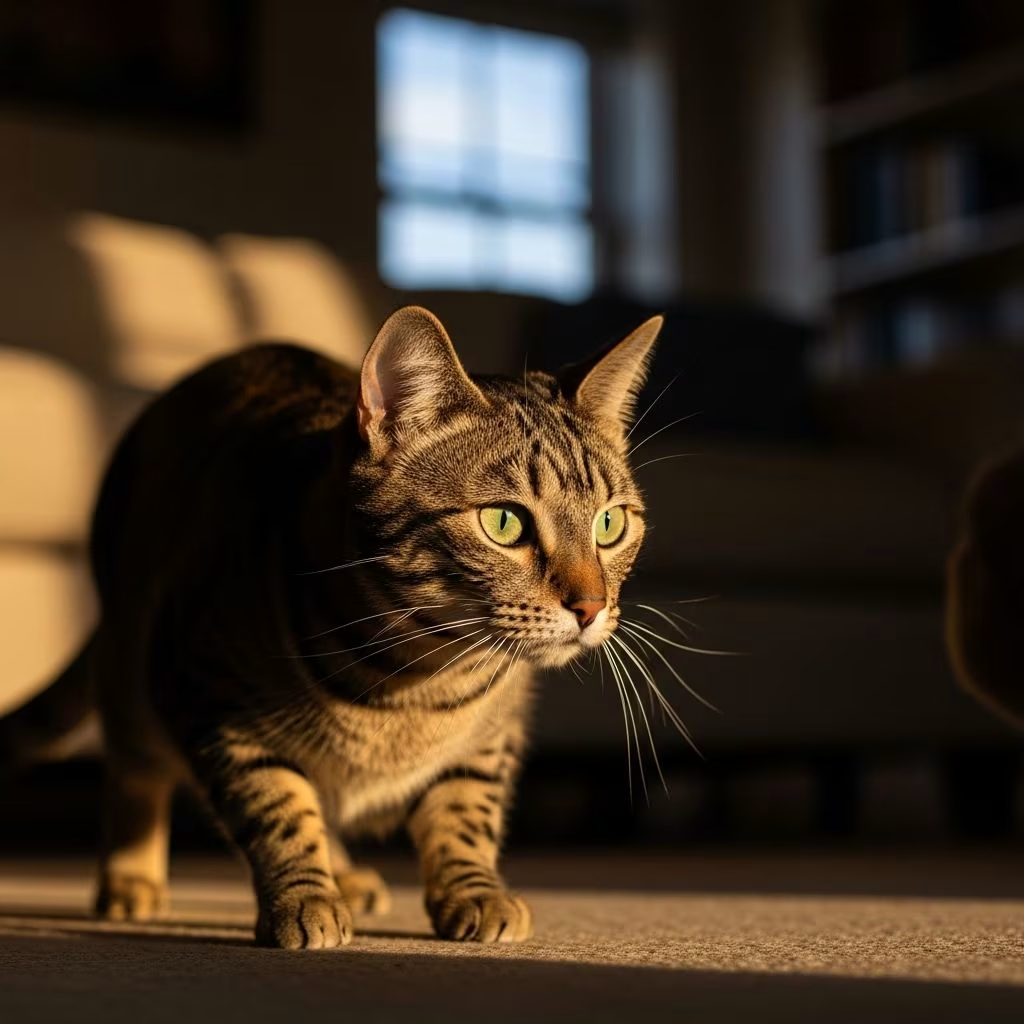
Why Is My Cat Stalking Me?
If you’ve noticed your cat crouching low, wiggling their hindquarters, and pouncing on your ankles or legs, you’re witnessing stalking behavior. This is one of the most common feline behaviors reported by cat owners, and it can range from playful to occasionally frustrating. Understanding why your cat engages in this behavior is the first step toward managing it effectively. Stalking is deeply rooted in your cat’s biology and psychology, stemming from their evolutionary heritage as predators. Even well-fed domestic cats retain these hunting impulses, which means your beloved pet is simply following their natural instincts.
What Is Cat Stalking?
Cat stalking refers to the deliberate, calculated approach your cat uses to get closer to a target—which could be you, another pet, or a toy. During stalking, your cat typically exhibits specific behaviors including creeping forward with a lowered body posture, intense focus with dilated pupils, and a twitching tail. The stalking sequence is part of a larger hunting sequence that includes stalking, pouncing, and capturing prey. This behavior is instinctive and hard-wired into most predatory mammals, making it a natural part of feline behavior.
Stalking differs from casual following or curiosity. When a cat stalks, they are actively engaging their predatory instincts and preparing for an attack or play pounce. The behavior can last from a few seconds to several minutes, depending on the cat’s motivation and the target’s movements.
Top Reasons Your Cat Is Stalking You
Cats stalk for multiple reasons, and identifying which reason applies to your cat can help you address the behavior more effectively. Here are the primary motivations behind feline stalking behavior:
1. Natural Hunting Instincts and Play
The most significant reason your cat stalks you is their natural predatory instinct. Your domestic cat shares approximately 95.6% of its DNA with tigers, and these shared genes mean your kitty still possesses the instincts of a wild predator. Even though your cat has never needed to hunt for survival, their body and brain remain hardwired for stalking, hunting, and pouncing behaviors. This instinct doesn’t diminish simply because your cat is well-fed; being satiated doesn’t eliminate the urge to stalk and “hunt” around the house.
For your cat, stalking you is a way to engage in play and satisfy their predatory drive. Your moving legs and feet are essentially moving targets that trigger their hunting sequence. This is completely normal behavior and shouldn’t be interpreted as aggression. Many cats view play as an opportunity to practice their hunting skills, which is essential for their mental stimulation and physical health.
2. Seeking Attention
Cats are social creatures, and sometimes stalking is simply their way of getting your attention. If your cat feels ignored, wants to engage in interactive play, or seeks social connection, they might resort to stalking behavior to ensure you notice them. This attention-seeking stalking is often more persistent and occurs at specific times when they sense you’re available for interaction.
The key to managing attention-seeking stalking is to ensure your cat receives adequate quality time and play throughout the day. Providing short, predictable play sessions before meals can be particularly effective, as this taps into the natural hunt-kill-eat sequence. Even 10-15 minutes of dedicated playtime daily can significantly reduce attention-seeking stalking behavior.
3. Territorial Behavior
Cats are inherently territorial animals, and stalking can be a way for your cat to reaffirm their dominance or monitor their territory. This behavior is especially common in multi-cat households where a cat feels the need to establish or maintain their territorial standing. By stalking you, your cat may be reminding you (and other pets) of their presence and position within the household hierarchy. Territorial stalking can also be directed toward young children and other family pets such as dogs, as your cat asserts their claim to their space.
4. Anxiety or Insecurity
In some cases, stalking behavior indicates anxiety or insecurity rather than aggression or play. If your cat feels uncertain, threatened, or unsafe, they might follow you closely or stalk you as a way to feel more secure. By keeping you in sight, they feel reassured about their safety. If you suspect anxiety is driving the stalking behavior, identifying and addressing the underlying cause is crucial. This might involve creating safe spaces, reducing household stress, or consulting with a veterinary behaviorist.
5. Curiosity and Surveillance
Cats are naturally inquisitive creatures with a strong desire to know what’s happening in their environment. Your cat might stalk you simply to monitor your movements and understand where you’re going and what you’re doing. This exploratory stalking is typically harmless and reflects your cat’s interest in their surroundings. It’s a sign that your cat is engaged with their environment and interested in your activities.
6. Redirected Aggression
Sometimes cats become frustrated or agitated by external stimuli they can’t directly address. Unlike humans who can punch a pillow or go to the gym, cats have limited outlets for releasing frustration. When frustrated, cats may redirect their aggression toward you, attacking or stalking you out of the blue. This redirected aggression can be triggered by seeing another cat through a window, hearing loud noises, or experiencing other stressors. Understanding what triggers your cat’s redirected aggression helps you minimize the behavior by removing or reducing exposure to these triggers.
7. Learned Behavior
Cats are intelligent animals that learn from observation and experience. If you’ve been reinforcing stalking behavior—intentionally or unintentionally—your cat has learned that stalking results in positive outcomes. For example, if your cat stalks your ankles and you respond with attention, playtime, or treats, you’re teaching them that stalking is an effective way to get what they want. Even negative attention counts as reinforcement in many cases, as your cat receives the interaction they sought.
8. Boredom and Lack of Stimulation
Cats require both physical exercise and mental stimulation to remain healthy and content. If your cat isn’t receiving adequate stimulation, they may resort to stalking you as a form of entertainment. While cats spend much of their day sleeping, they still need regular opportunities for active play, exploration, and mental engagement. Boredom-driven stalking is your cat’s way of creating excitement and activity in their environment.
Is Cat Stalking Aggressive?
Not all stalking behavior is aggressive or dangerous. In most cases, stalking is playful behavior rooted in your cat’s natural instincts. However, it’s important to distinguish between normal stalking and aggressive stalking. Playful stalking typically ends with a gentle pounce followed by running or rolling, whereas aggressive stalking may involve actual biting, scratching, or sustained attacks that cause discomfort or injury.
If your cat’s stalking has escalated to actual aggression, consult your veterinarian to rule out pain or medical issues, and consider working with a feline behaviorist to address the underlying causes.
How to Manage and Reduce Cat Stalking Behavior
While you likely won’t be able to eliminate stalking entirely—as it’s a fundamental part of feline nature—you can manage and reduce it through several evidence-based strategies:
Provide Interactive Play and Mental Stimulation
Regular, engaging play sessions are one of the most effective ways to satisfy your cat’s predatory drive and reduce stalking behavior. Use interactive toys like wand toys, laser pointers, or automated toys that encourage your cat to chase and pounce. Aim for at least two 10-15 minute play sessions daily, especially before feeding times. This approach taps into the natural hunt-kill-eat sequence and provides healthy outlets for your cat’s energy.
Use Positive Reinforcement
Reward your cat for behaviors you want to encourage rather than focusing on punishment. If your cat approaches you without stalking, offer treats or praise. This redirects their energy toward positive interactions and teaches them that non-stalking approaches are more rewarding. Positive reinforcement is far more effective than punishment, which typically damages the cat-human bond and increases unwanted behavior.
Redirect Stalking Behavior
When you notice your cat preparing to stalk, redirect their attention to an appropriate toy or activity. Offer a feather wand, toy mouse, or other engaging item as an alternative target. By consistently redirecting stalking energy toward toys rather than your legs, you help your cat understand acceptable outlets for their instincts.
Environmental Enrichment
Create an enriched environment that provides mental and physical stimulation. This includes cat trees for climbing, window perches for bird watching, puzzle feeders, and rotating toys to maintain novelty. An enriched environment reduces boredom-driven stalking and keeps your cat mentally engaged.
Address Anxiety
If anxiety is driving the stalking behavior, identify potential triggers and work to minimize them. Create safe spaces where your cat can retreat, maintain predictable routines, and consider using calming pheromone products if recommended by your veterinarian. A calm, secure cat is less likely to engage in anxiety-related stalking.
Avoid Punishment
Never punish your cat for stalking, as punishment is ineffective and counterproductive. Cats don’t respond well to punishment, and it typically increases stress and unwanted behavior rather than decreasing it. Focus instead on redirection, enrichment, and positive reinforcement.
When to Seek Professional Help
While most stalking behavior is normal and manageable, certain situations warrant professional guidance. If your cat’s stalking has become aggressive, causes injury, or is accompanied by other behavioral changes, consult your veterinarian. They can rule out medical issues such as pain, thyroid problems, or other health conditions that might be contributing to the behavior. Your veterinarian may also recommend a feline behaviorist for persistent or severe stalking issues.
Frequently Asked Questions
Q: Is it normal for cats to stalk their owners?
A: Yes, stalking is completely normal feline behavior. It stems from their predatory instincts and can serve multiple purposes including play, attention-seeking, and territorial monitoring. Most cats stalk at some point, and it’s not a cause for concern unless it becomes aggressive or excessive.
Q: How can I tell if my cat’s stalking is playful or aggressive?
A: Playful stalking typically ends with a gentle pounce, followed by the cat running away or inviting continued play. Aggressive stalking involves sustained attacks, biting, scratching that causes injury, or attacking without invitation to play. If you’re unsure, consult your veterinarian.
Q: Does a well-fed cat still have the urge to stalk?
A: Yes, absolutely. Being well-fed doesn’t eliminate the stalking urge. Cats are hardwired for hunting regardless of whether they need food. Even satisfied cats will continue to stalk and “hunt” around the house as part of their natural behavior.
Q: How often should I play with my cat to reduce stalking behavior?
A: Aim for at least two dedicated play sessions daily, each lasting 10-15 minutes. You can adjust frequency and duration based on your cat’s age, energy level, and response. Kittens and younger cats typically need more frequent play sessions than older cats.
Q: Can punishment help stop my cat from stalking me?
A: No, punishment is ineffective and counterproductive. Cats don’t respond well to punishment, and it typically increases stress and unwanted behavior. Instead, focus on redirection, enrichment, positive reinforcement, and understanding the underlying cause of the stalking.
Q: What toys are best for redirecting stalking behavior?
A: Wand toys (like feather wands or “da-bird” toys), toy mice, laser pointers, and automated toys that encourage chasing and pouncing are all excellent for redirecting stalking energy. Rotate toys regularly to maintain novelty and interest.
References
- Why Does My Cat Stalk Me? — Cats.com. https://cats.com/why-does-my-cat-stalk-me
- Cats & Stalking: Why Do They Do It? 4 Vet-Reviewed Reasons — Catster. https://www.catster.com/cat-behavior/why-do-cats-stalk/
- Cat Aggression Toward People: Causes and Prevention — Best Friends Animal Society. https://bestfriends.org/pet-care-resources/cat-aggression-toward-people-causes-and-prevention
- Aggression in Cats — ASPCA. https://www.aspca.org/pet-care/cat-care/common-cat-behavior-issues/aggression-cats
- Aggression Between Cats — Wisconsin Humane Society. https://www.wihumane.org/behavior/ask-the-experts/cat-behavior/aggression-between-cats



