

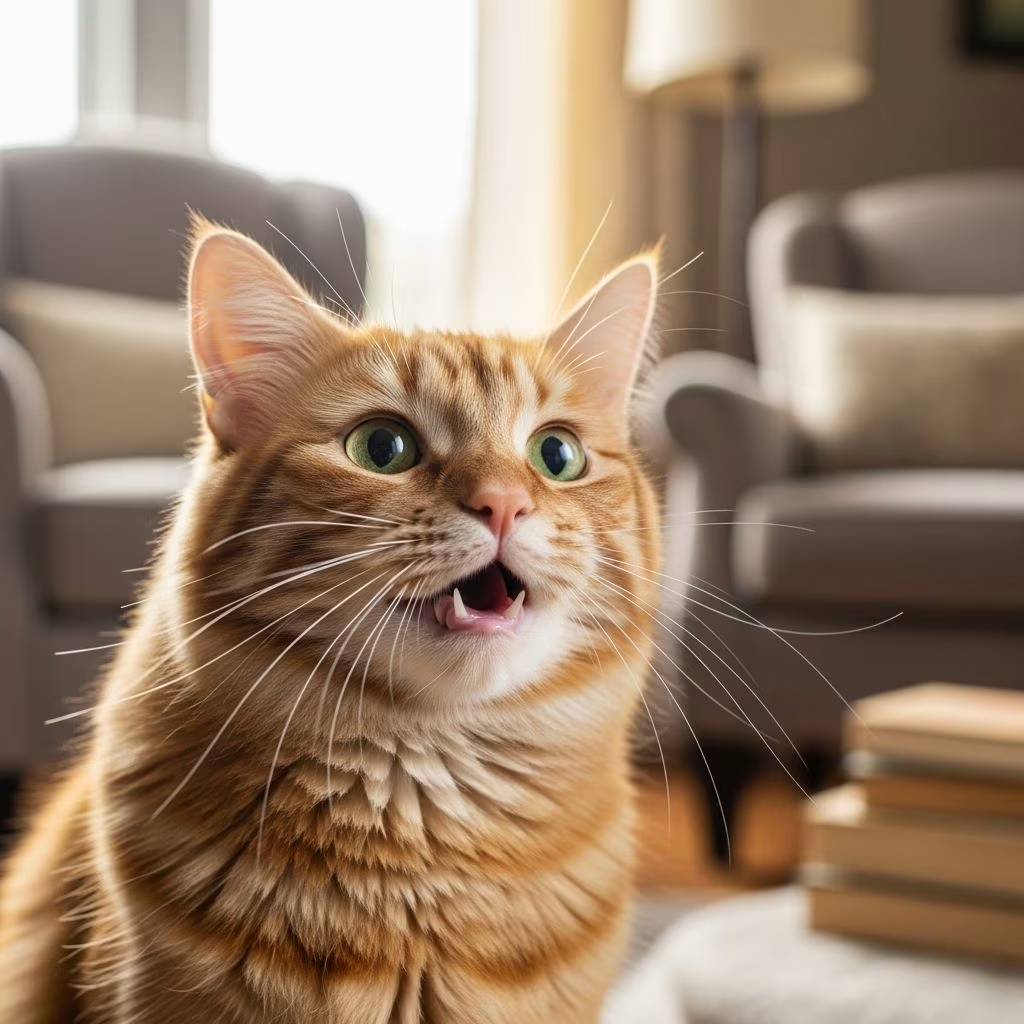
Your cat’s vocalizations are a key part of communication, but when meows turn into squeaks, it can raise concerns. Squeaking might signal normal behavior in kittens or certain breeds, but sudden changes often point to health issues like laryngitis or stress. Understanding the context helps determine if it’s harmless or requires veterinary attention.
What If My Cat Has Never Meowed?
Some cats naturally squeak rather than meow from the start. Kittens are born with the ability to produce only squeaks to communicate with their mothers, signaling needs like hunger or location. If the mother cat doesn’t teach broader meowing through interaction, the kitten may retain this high-pitched squeak into adulthood.
This is common in cats separated early from their litter or those with limited socialization. Breeds like Siamese or Burmese often have naturally higher-pitched voices that sound squeaky. Observe if the squeak is consistent and accompanied by normal behavior—no cause for alarm unless other symptoms appear.
Why Is My Cat Suddenly Squeaking?
If your cat previously meowed normally but now only squeaks, something has likely changed. This shift indicates potential illness, injury, or environmental factors affecting the throat, larynx, or vocal cords. Prompt veterinary evaluation is essential to rule out serious conditions.
1. Illness
The most frequent cause of sudden squeaking is laryngitis, inflammation of the larynx (voice box). This affects the vocal cords, producing hoarse, raspy, or squeaky sounds. Common triggers include upper respiratory infections like calicivirus or rhinotracheitis, which also cause runny eyes/nose, sneezing, fever, noisy breathing, poor appetite, and lethargy.
Serious issues like throat tumors, growths, foreign bodies, or enlarged thyroid glands can compress vocal structures. Any persistent voice change with respiratory distress or appetite loss warrants immediate vet care.
2. Hyperthyroidism
In older cats, hyperthyroidism—an overactive thyroid—can alter vocalizations, leading to increased squeaking or meowing. This condition causes behavioral shifts, weight loss, and hyperactivity. Diagnosis via blood tests allows effective management.
3. Inhalation Damage
Exposure to smoke, dust, fumes, or irritants inflames the throat and larynx, mimicking laryngitis symptoms. Household cleaners, pollen, mold, or allergens can trigger this. Reducing exposure and monitoring for sneezing or eye discharge helps.
4. Growths or Cancer of the Throat
Rare but serious, throat tumors or growths partially block airways or pressure vocal cords, causing squeaks. Early detection through vet exams, including imaging, improves outcomes.
5. Overuse
Very vocal cats, especially talkative breeds like Siamese, may squeak from vocal strain after excessive meowing, such as in boarding situations. Rest typically restores normal sounds, though rare.
Non-Medical Reasons for Squeaking
Not all squeaks indicate illness; many are behavioral communication tools. These mimic kitten-mother interactions or express emotions.
- Chirping Squeaks: Learned from mothers to kittens for following or attention. Adult cats may chirp-squeak at owners to point out interesting sights or request interaction.
- Chattering Squeaks: Occur during bird-watching from windows, showing excitement and hunting frustration. Toys mimicking prey encourage this playful sound.
- Annoyance Squeaks: Short squeaks when picked up unexpectedly signal displeasure.
- Cat-to-Cat Communication: Squeaks mixed with trills or meows during feline interactions convey greetings or warnings.
Context matters: happy, frisky squeaks during play or affection requests are normal. Track frequency, body language (relaxed vs. tense), and triggers.
How Cats Produce Different Sounds
Cats generate over 21 distinct vocalizations via laryngeal muscles, vocal cords, oral cavity, pharynx, and nasal passages. Squeaks result from tighter, higher vibrations than meows. Breeds like Siamese produce naturally raspy, high-pitched sounds due to anatomy.
Kittens squeak softly as their larynx develops. Environmental and genetic factors influence repertoires, aiding emotional expression to humans and other cats.
Specific Situations Causing Squeaks
Feeling Stressed or Anxious
Sudden squeaks with tense posture, hiding, or triggers like moves, fireworks, or new pets indicate stress. Provide calm environments, familiar routines, and pheromone diffusers.
Inner Hunter Instincts
Hunting play elicits squeaks mimicking prey. Encourage with chase toys to satisfy instincts and reduce boredom.
Seeking Attention
Varied squeaks (quick/air or drawn-out) demand food, pets, or doors opened. Respond consistently to reinforce communication.
Hormones and Mating
Unsterilized cats squeak more during heat cycles. Spaying/neutering resolves this and prevents health risks.
Breed or Age Quirks
Siamese, Burmese, and kittens naturally squeak. Voices deepen with age, but individuals vary.
Environmental Triggers
Routine changes, new furniture, or visitors prompt anxiety squeaks. Maintain stability and quiet spaces.
Possible Medical Issues
Beyond laryngitis, consider allergies, infections, vocal cord damage, or obstructions causing hoarse squeaks. Symptoms like coughing, lethargy, or breathing changes necessitate vet visits.
| Symptom | Possible Cause | Action |
|---|---|---|
| Sudden squeak change | Laryngitis/Infection | Vet exam, antibiotics if needed |
| With lethargy/appetite loss | Hyperthyroidism/Tumor | Blood tests, imaging |
| Sneezing/runny eyes | Allergies/Respiratory virus | Environment clean-up, supportive care |
| After irritant exposure | Inhalation damage | Remove source, monitor |
Frequently Asked Questions (FAQs)
Is it normal for cats to squeak instead of meow?
Yes, especially in kittens, small breeds, or vocal types like Siamese. Sudden changes from normal meows are not.
Could squeaking mean my cat is unwell?
Yes, if abrupt with other signs like coughing, poor appetite, or distress. Laryngitis or obstructions may be culprits.
Why do some cats chirp or chatter?
Chirping gets attention; chattering shows hunting excitement at prey like birds.
Does stress cause squeaking?
Absolutely—environmental changes trigger anxious squeaks alongside hiding or tension.
Should I spay/neuter to stop squeaking?
If hormone-related in intact cats, yes; it also offers health benefits.
Monitor your cat closely. Normal squeaks enhance bonding, but changes demand professional assessment for peace of mind and health.
References
- Why Does My Cat Make Squeaking Sounds Instead Of Meowing? — Pet Care Shed. 2023. https://petcareshed.com.au/blogs/pet-supplies/why-does-my-cat-make-squeaking-sounds-instead-of-meowing
- Why Is My Cat Squeaking Instead of Meowing? Vet-Verified — Catster (Veterinary Review). 2024-05-15. https://www.catster.com/cat-behavior/why-is-my-cat-squeaking-instead-of-meowing/
- 9 Cat Noises and What They Mean — PetMD (Veterinarian-Authored). 2023-11-20. https://www.petmd.com/cat/general-health/cat-noises



