

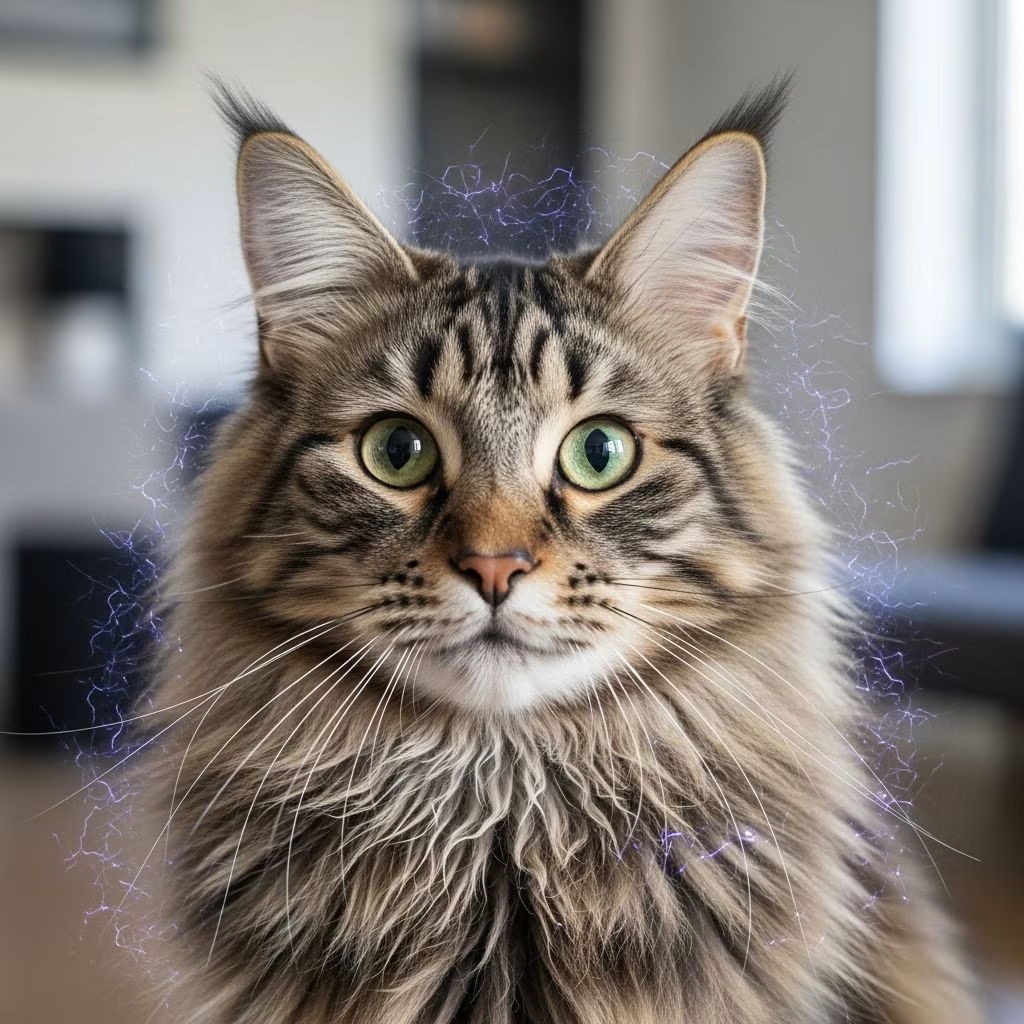
Sometimes, petting your beloved cat results in an unexpected zap from static electricity. While occasional shocks might seem harmless, frequent static buildup on your cat’s fur can cause discomfort, irritation, or even behavioral changes. Understanding the root causes—such as low humidity, synthetic materials, and coat health—is key to resolving this issue. This comprehensive guide explores the science behind feline static electricity, identifies the most common triggers, and provides actionable solutions to keep your cat shock-free and comfortable all year round.
The 5 Possible Reasons Why Your Cat Is So Staticky
Static electricity occurs when friction between surfaces causes electrons to transfer, building up charge that discharges as a shock upon contact. Cats, with their insulating fur, are particularly prone, especially in dry conditions where charges don’t dissipate easily. Below are the primary culprits, ranked by likelihood, supported by veterinary insights and scientific explanations.
1. Not Enough Moisture in the Air
| Likelihood | Seriousness |
|---|---|
| High | Low |
The most common cause of staticky cats is low humidity, especially prevalent in winter when indoor heating dries out the air. When relative humidity drops below 40%, friction from your cat rubbing against surfaces generates static charges that linger on their fur. Dry air acts as an insulator, preventing charge dissipation, leading to frequent shocks during petting. Cats moving across carpets, couches, or bedding exacerbate this, as each contact builds more charge. In cold, dry climates, you might even hear crackling sounds from their coat, signaling significant buildup.
2. Synthetic Fibers
| Likelihood | Seriousness |
|---|---|
| Moderate | Low |
Synthetic materials like polyester, found in cat beds, blankets, clothing, or microfleece, are notorious static generators. These fabrics rub against fur, transferring electrons and creating charge imbalances. Natural fibers such as cotton or wool produce far less static due to their conductivity. If your cat lounges on synthetic rugs or wears polyester outfits, expect amplified shocks. Even household items like towels contribute when cats groom or play.
3. Dry Coat
| Likelihood | Seriousness |
|---|---|
| Moderate | Moderate |
A dry coat lacks natural oils (sebum) that help dissipate static. Over-bathing strips these oils, while environmental dryness worsens the issue. Recent research from Northwestern University explains that petting creates shear forces, deforming fur differently at contact points, generating opposing charges that discharge as shocks. Simply misting fur provides temporary relief but risks matting; instead, focus on moisturizing from within via diet and grooming products.
4. Unkempt Coat
| Likelihood | Seriousness |
|---|---|
| Low | Moderate |
Mats, tangles, and dead undercoat trap static more easily, increasing friction during movement. Neglected grooming leads to uneven charge distribution across the fur. Regular brushing distributes oils, removes debris, and reduces buildup, also preventing hairballs and shedding issues.
5. You Being Staticky
| Likelihood | Seriousness |
|---|---|
| Moderate | Low |
Don’t overlook yourself! If you’re staticky from shuffling on carpets in rubber-soled shoes or dry clothes, petting transfers your charge to the cat—or vice versa. This creates a feedback loop. Ionic brushes or grounding yourself can break the cycle.
How to Reduce Static on Your Cat: 5 Practical Tips
Addressing static requires tackling both environmental and cat-specific factors. Implement these vet-recommended strategies for lasting relief.
1. Add a Humidifier
Humidifiers restore moisture to 40-60% relative humidity, neutralizing charges by allowing them to dissipate. Place cool-mist models in rooms where your cat spends time, cleaning them weekly to prevent mold. This simple fix often resolves 80% of cases.
2. Bathe Sparingly with Moisturizing Products
Infrequent baths (every 4-6 weeks) with oatmeal or conditioner shampoos replenish oils without stripping them. Avoid over-bathing, which dries skin further. Supplements like omega-3 fatty acids promote healthy sebum production for long-term coat hydration.
3. Brush Regularly
Use anti-static slicker or ionic brushes daily to distribute oils and remove loose fur. Brushing reduces friction points and mats, minimizing charge buildup. Opt for natural-bristle tools for best results.
4. Use Natural Fibers
Switch to cotton, wool, or bamboo bedding, blankets, and cat clothing. Mist synthetic favorites lightly with water to reduce friction. Rubber-soled shoes for yourself prevent personal static transfer.
5. Additional Habits
- Take frequent showers to humidify air locally.
- Spray fur lightly with water or anti-static pet sprays.
- Feed a diet rich in fish oils for coat health.
Understanding the Science of Cat Static Electricity
Static arises from the triboelectric effect: friction causes electron transfer between materials. Cat fur, keratin-based, ranks high on the triboelectric series, readily gaining negative charge against positives like synthetics. Dry air (below 30% humidity) insulates, trapping charges until discharge. Petting introduces sliding shear, amplifying this via differential deformation—front and back fur experience opposing forces, creating current. While harmless in small doses, chronic shocks stress cats, potentially causing aggression or hiding.
When to See a Vet
Static alone isn’t serious, but paired with dry skin, excessive shedding, or lethargy, it may signal allergies, hypothyroidism, or malnutrition. Consult a vet if symptoms persist post-remedies.
Frequently Asked Questions (FAQs)
Is static electricity harmful to my cat?
Occasional shocks are harmless but frequent ones cause discomfort, pain, or stress, leading to behavioral changes like aggression.
Why is my cat staticky in winter?
Heating systems drop indoor humidity below 40%, turning fur into a static conductor.
Can diet help with cat static?
Yes, omega-3 supplements hydrate skin and coat from within, reducing dryness.
How often should I brush my staticky cat?
Daily for long-haired breeds, 3-4 times weekly for short-haired to manage buildup.
In Summary
Static on cats stems mainly from dry air, synthetics, and coat neglect, but solutions like humidifiers, natural fabrics, and grooming make it manageable. By creating a humid, low-friction environment, you ensure shock-free cuddles. Monitor for improvements within a week; persistent issues warrant professional advice. Your cat will thank you with purrs, not zaps!
References
- 5 Reasons Why Your Cat Is So Staticky & Tips to Control It — Hepper. 2023. https://articles.hepper.com/reasons-why-your-cat-is-so-staticky/
- Managing Cat-Static — Paws Whiskers and Wags, Dr. Lauren Cassady, DVM. 2023. https://pawswhiskersandwags.com/managing-cat-static/
- De Facto Cat: Scientific Truths Behind Myths — NCSU WordPress. 2023. https://defactocat.wordpress.ncsu.edu
- Why Petting Your Cat Leads to Static Electricity — Northwestern Now. 2024-09. https://news.northwestern.edu/stories/2024/september/why-petting-your-cat-leads-to-static-electricity



