

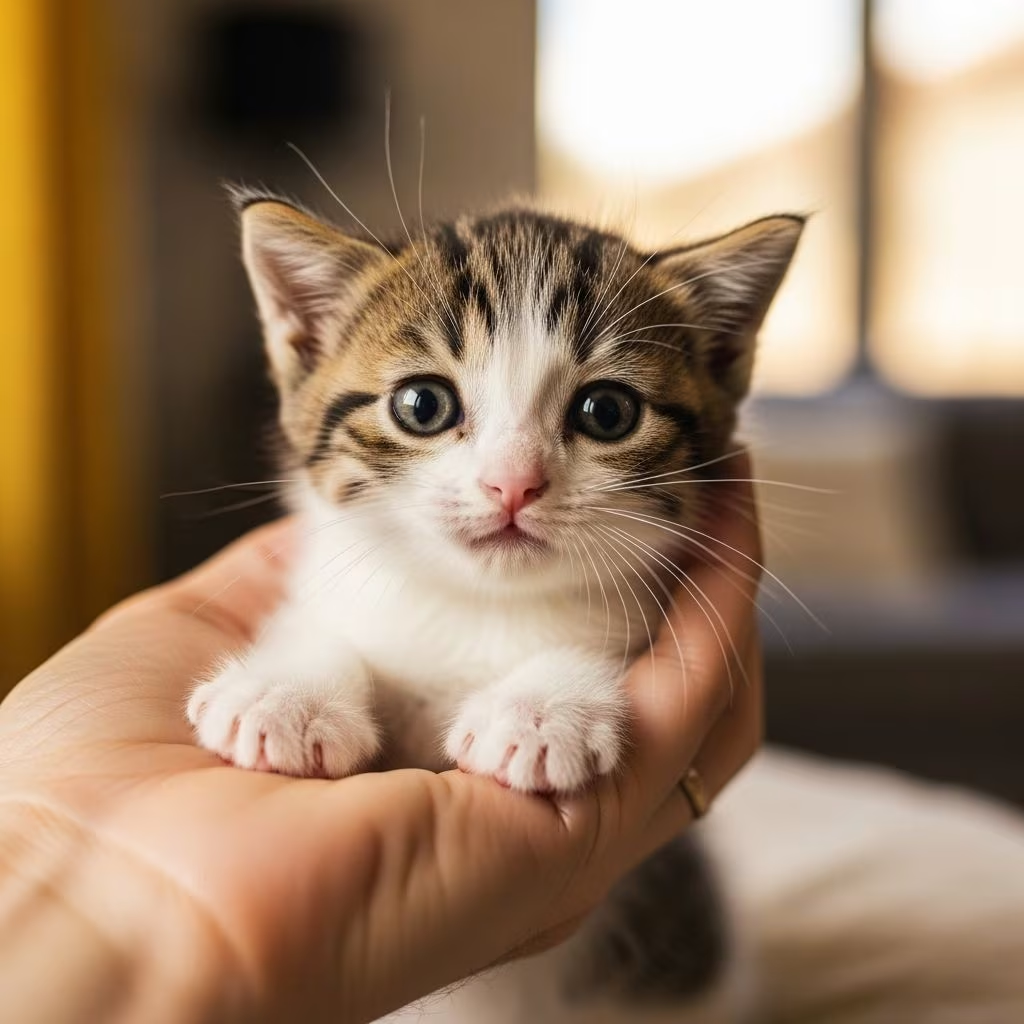
Your cat may appear smaller than expected due to a variety of factors ranging from normal genetic variations to underlying health conditions that require veterinary attention. Understanding these causes helps determine if intervention is needed.
Is Your Cat’s Size Normal?
Cat size varies widely based on breed, genetics, and individual development. Adult cats typically weigh between 8-12 pounds, but some breeds like Singapuras average 4-8 pounds while Maine Coons can exceed 20 pounds. Kittens grow rapidly in the first year, doubling birth weight in a week and reaching adult size by 10-12 months. If your cat follows breed standards and growth curves, small size may be normal.
Monitor weight weekly using a pet scale. Healthy kittens gain 0.5-1 ounce daily initially, slowing as they mature. Compare to age-appropriate charts from reliable veterinary sources.
Genetics and Breed Factors
**Genetics play a primary role** in determining adult size. Certain breeds are naturally petite:
- Singapura: Smallest domestic breed, 4-8 lbs.
- Devon Rex: Slender build, 6-9 lbs.
- American Curl: Compact frame, 8-10 lbs.
- Munchkin: Short legs but proportional body, variable weight.
Mixed-breed cats inherit size from dominant parental genes. Runts from litters often remain smaller but thrive if healthy. DNA testing kits can identify breed heritage influencing size.
Poor Nutrition and Feeding Issues
Inadequate calorie intake stunts growth. Common causes include:
- Insufficient food quantity: Kittens need 200-250 calories daily, adults 20 calories per pound of ideal weight.
- Poor quality diet: Low-protein foods lack nutrients for muscle/bone development.
- Frequent diet changes: Causes picky eating and malnutrition.
- Competition in multi-cat homes: Dominant cats bully others from bowls.
Solution: Feed age-appropriate, AAFCO-approved food multiple times daily. Wet food aids hydration and intake. Gradually transition diets and use puzzle feeders to encourage eating.
Parasites and Infections
Internal parasites like roundworms, hookworms, and coccidia rob nutrients, causing failure to thrive. Puppies and kittens are most vulnerable, with 90% harboring worms at birth from mother’s milk.
Symptoms: Pot-bellied appearance, diarrhea, vomiting, dull coat. External fleas tap blood, leading to anemia. Diagnosis via fecal exam; treat with vet-prescribed dewormers like pyrantel or fenbendazole. Monthly preventives (e.g., Heartgard) essential.
Chronic Diseases
Serious conditions manifest as poor growth:
| Condition | Symptoms | Diagnosis/Treatment |
|---|---|---|
| Hyperthyroidism | Weight loss despite appetite, hyperactivity | Blood tests; meds, surgery, radioiodine |
| Diabetes | Excessive thirst/urination, lethargy | Glucose curve; insulin therapy |
| Chronic Kidney Disease | Vomiting, poor appetite, bad breath | Bloodwork, ultrasound; renal diet, fluids |
| Heart Disease | Coughing, rapid breathing, weakness | Echo, X-rays; medications |
| Exocrine Pancreatic Insufficiency | Weight loss, greasy stools | TLI test; enzyme supplements |
Early bloodwork, urinalysis, and imaging detect issues. Holistic approaches like acupuncture complement conventional care.
Stress and Environmental Factors
Chronic stress from new homes, loud noises, or multi-pet dynamics suppresses appetite and growth hormones. Signs: Hiding, aggression, litterbox avoidance.
Create safe spaces with pheromone diffusers (Feliway), vertical perches, and routine feeding/play. Separate bullies during meals.
Medications and Dental Problems
Long-term meds (e.g., for allergies) reduce appetite. Dental disease causes pain-avoidance eating; check for red gums, drooling, halitosis. Annual dental cleanings prevent issues.
Neutering Effects on Size
Early neutering (before 6 months) may slightly reduce adult size by altering hormones, but benefits outweigh risks like cancer. Studies show minimal impact on final weight.
When to See a Vet
Consult immediately if:
- Kitten under 4 oz at 4 weeks or no weight gain in 48 hours.
- Adult loses 10% body weight unexplained.
- Accompanied by lethargy, vomiting, diarrhea.
Vet exam includes history, physical, bloodwork. Growth charts track progress.
How Vets Diagnose Small Cats
Comprehensive approach:
- History: Diet, litter size, deworming, symptoms.
- Physical exam: Body condition score (1-9 scale), palpation for masses.
- Diagnostics: Fecal, blood panel, thyroid, radiographs.
- Monitoring: Re-checks every 2-4 weeks.
FAQs
Will my small kitten catch up in size?
Many do if nutrition/parasites addressed early; genetics limit ultimate size.
Is it bad to neuter small kittens early?
No, health benefits superior; size impact negligible.
Can stress make a cat small?
Yes, via reduced eating; minimize changes.
What if my adult cat is losing weight?
Emergency vet visit; rules out serious disease.
How much should my cat weigh?
Depends on breed; aim for visible waist, palpable ribs.
Conclusion
Small size often benign but warrants investigation. Partner with your vet for tailored care ensuring your cat reaches healthy potential.
References
- Feline Growth and Development — American Veterinary Medical Association (AVMA). 2024-05-15. https://www.avma.org/resources-tools/pet-owners/petcare/growth-stages-your-cat
- Nutritional Requirements of Cats — National Research Council (NRC), National Academies Press. 2023-11-20. https://nap.nationalacademies.org/catalog/10658/nutrient-requirements-of-dogs-and-cats
- Parasitic Diseases of Cats — Merck Veterinary Manual, Merck & Co. 2025-01-10. https://www.merckvetmanual.com/cat-owners/disorders-affecting-multiple-body-systems-of-cats/parasitic-diseases-of-cats
- Hyperthyroidism in Cats — Cornell University College of Veterinary Medicine. 2024-08-22. https://www.vet.cornell.edu/departments-centers-and-institutes/cornell-feline-health-center/health-information/feline-health-topics/hyperthyroidism-cats
- Body Condition Scoring in Cats — World Small Animal Veterinary Association (WSAVA). 2023-09-01. https://wsava.org/global-guidelines/global-nutrition-guidelines/



