

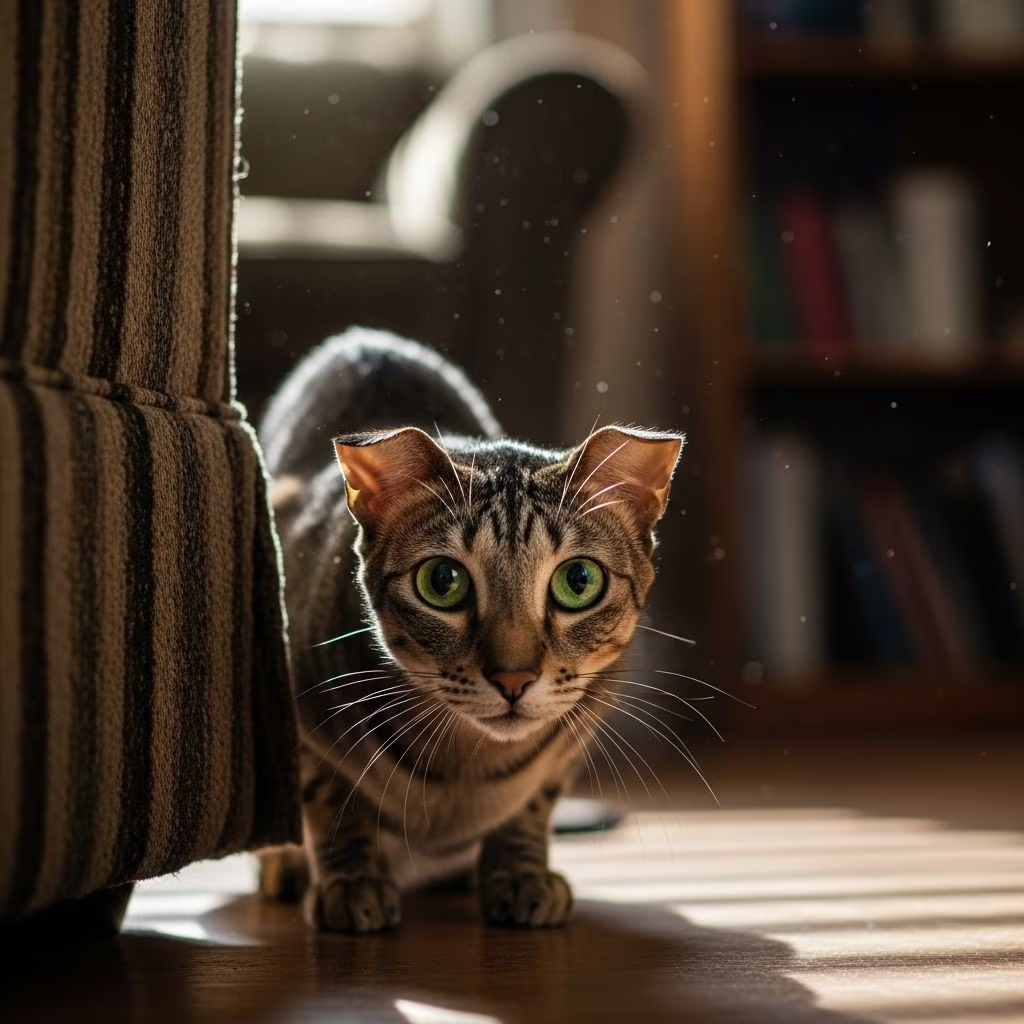
If your cat bolts at the slightest noise, hides under the bed from guests, or seems perpetually on edge, you’re not alone. Skittish behavior in cats is common and often stems from a mix of genetics, early experiences, health issues, or environmental stressors. Understanding the root causes can help you support your feline friend in feeling safer and more relaxed.
Skittish cats exhibit a heightened flight response, a natural survival instinct where they flee, hide, or freeze in response to perceived threats. While all cats can show this occasionally, persistent skittishness affects their quality of life and your bond. This guide covers the main reasons why cats become fearful, signs to watch for, and actionable strategies to help them overcome anxiety.
Table of Contents
- Common Causes of Skittish Behavior
- Signs Your Cat Is Skittish or Anxious
- When It’s a Health Issue
- How to Help Your Skittish Cat
- Frequently Asked Questions
Common Causes of Skittish Behavior in Cats
Several factors contribute to a cat’s fearful nature. These range from innate traits to life experiences that shape their worldview as one filled with potential dangers.
Poor Socialization
Cats need positive human interaction during their first two months of life to develop comfort around people. Kittens handled extensively by humans in this critical socialization window become friendlier and less fearful as adults. Without it, they may view humans and new environments with suspicion.
Feral or stray kittens often miss this period, leading to lifelong wariness. Regular exposure to new people during kittenhood helps prevent excessive shyness.
Past Trauma or Abuse
Cats with a history of mistreatment generalize fear to all humans. Triggers like loud voices or specific movements can cause regression to hiding or fleeing. If your cat’s background is unknown, watch for patterns: a cat aggressive toward men might have been abused by one previously.
Even without abuse, lack of early human contact creates similar effects. Building trust requires patience and avoiding known triggers.
Genetics and Personality
Some cats are born timid. Fearful personalities are natural variations, much like shy people. These cats have higher arousal levels and may never fully relax in busy homes but can adapt with gentle handling.
Predator-prey instincts amplify this: cats are both hunters and hunted, primed to flee at threats.
Sudden Environmental Changes
Cats thrive on routine. Major shifts like moving, new pets, babies, or family members spike anxiety. They become hyper-vigilant until adjusting, which can take weeks.
Loss of a companion or absent owner also disrupts security. Most recover, but persistent fear warrants a vet check.
Signs Your Cat Is Skittish or Anxious
Recognizing anxiety early prevents escalation. Look for these body language cues:
- Avoiding eye contact or hard staring at triggers
- Ears pinned back or twitching whiskers
- Dilated pupils and wide eyes
- Tail tucked, flicking, or puffed fur (piloerection)
- Freezing, hiding, or fleeing suddenly
- Aggression: swatting, hissing, biting
- Over-grooming or self-harm
Escalated stress from “trigger stacking”—multiple stressors piling up—makes mild fears explosive. Vocalizing, restlessness, or appetite loss signal deeper issues.
Is Your Skittish Cat in Pain or Sick?
Sudden skittishness often indicates illness. Pain heightens anxiety, making cats withdraw or lash out.
Common signs of underlying health problems:
| Behavior | Possible Issue |
|---|---|
| Lethargy, reduced play | Pain, infection |
| Appetite loss | Illness, dental pain |
| Avoiding jumps/climbing | Arthritis, injury |
| Excessive vocalizing | Discomfort when touched |
| Hiding more than usual | Stress-triggered UTI or URI |
Rule out medical causes first with a vet visit. Chronic anxiety may mimic these but requires different management.
How to Help a Skittish Cat Feel More Comfortable
Patience and consistency are key. Force won’t build trust; respect their pace.
Create a Safe Environment
Offer hiding spots, high perches, and pheromone diffusers like FELIWAY to mimic calming scents. Minimize triggers: keep noises low, provide vertical space for security.
- Multiple litter boxes in quiet areas
- Scratching posts and toys scattered around
- Scent familiarity: rub furniture with their cheek
Build Trust Through Play and Food
Interactive play taps their predator instincts, boosting confidence. Use wand toys for stalking and pouncing sessions daily—even seniors need this.
Hand-feeding treats associates you with positivity. Sit quietly nearby during meals, gradually closer over days.
Socialization Techniques
For rescues, start slow: let them approach you. Use baby talk tones and avoid direct stares. Desensitize to triggers gradually, like doorbell recordings at low volume.
Professional Help
If no improvement in weeks, consult a vet behaviorist. Medications or supplements may aid severe cases alongside behavior mods.
Frequently Asked Questions (FAQs)
Why is my cat scared of everything all of a sudden?
Sudden fear often signals pain, illness, or environmental change. Vet check first, then assess recent stressors like new pets.
Can skittish cats become friendly?
Yes, with time, socialization, and a stable home. Genetics set a baseline, but many improve significantly.
How long does it take for a fearful cat to adjust?
Weeks to months. Respect their timeline; rushing causes setbacks.
Is my cat skittish because of me?
Possibly if triggers match your actions, but more often past experiences. Focus on positive interactions.
What if my skittish cat is aggressive?
Aggression is fear-based. Avoid punishment; redirect with play and consult pros for safety.
Helping a skittish cat requires empathy and observation. By addressing causes and providing security, most cats blossom into confident companions.
References
- Why Is My Cat Scared of Everything? – Litter-Robot — Litter-Robot. Accessed 2026. https://www.litter-robot.com/blog/how-to-help-skittish-kitty/
- Why is My Cat Scared of Everything? — MVA Vets. Accessed 2026. https://mvavets.com/blog/why-is-my-cat-scared-of-everything/
- Skittish Behaviour In Cats — FELIWAY UK. Accessed 2026. https://www.feliway.co.uk/blogs/news/skittish-behaviour-in-cats
- Shy or Fearful Cats — WebMD. Accessed 2026. https://www.webmd.com/pets/cats/shy-fearful-cats
- Shy and Fearful Cats: The Complete Guide — San Diego Humane Society. Accessed 2026. https://sdhumane.org/resources/shy-and-fearful-cats-complete/
- Cat Phobias: Managing Your Cat’s Skittish Nature — CatGenie. Accessed 2026. https://www.catgenie.com/blogs/catgazette/cat-phobias-managing-your-cat-s-skittish-nature
- Shy Cats – How to Help Your Cat Relax — Cats Protection. Accessed 2026. https://www.cats.org.uk/help-and-advice/cat-behaviour/shy-cats



