

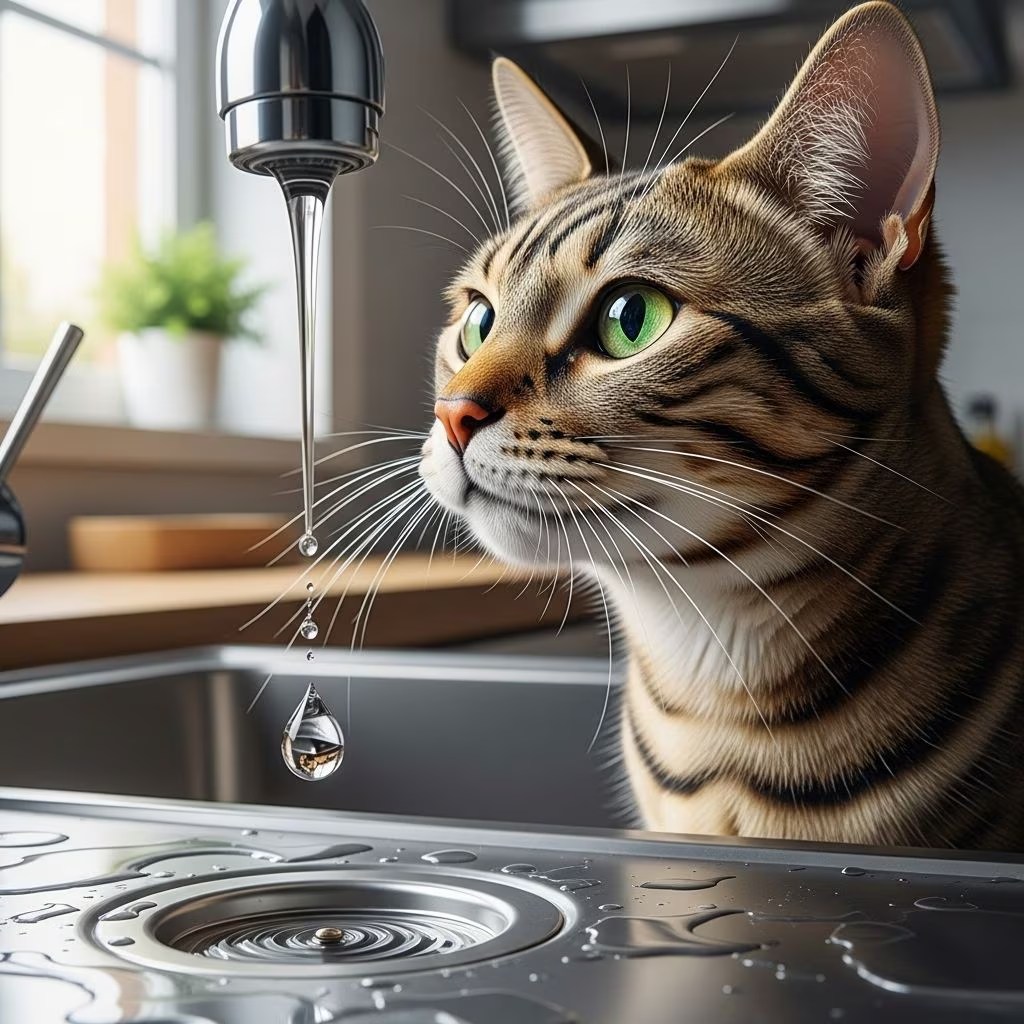
A cat’s obsession with water can stem from instinctual behaviors, curiosity, environmental factors, or underlying health issues. Understanding these reasons helps owners promote proper hydration and address potential problems effectively.
The 8 Reasons Why Cats Play With Their Water
Cats exhibit various water-related behaviors, from pawing at bowls to seeking faucets. These actions often trace back to evolutionary instincts, sensory preferences, or medical needs. Below, we break down the primary causes.
1. Your Cat Has an Underlying Health Condition
Sudden excessive interest in water, known as polydipsia, signals potential health problems. Cats may empty bowls quickly, drink from unusual sources, or urinate more often. Common conditions include chronic kidney disease, urinary tract infections (UTIs), diabetes mellitus, and hyperthyroidism.
- Chronic Kidney Disease: Prevalent in older cats, declining kidney function leads to poor filtration, dehydration, and increased thirst.
- Urinary Tract Infections: Cats urinate small amounts frequently, appearing restless; more common in younger cats and a medical emergency in males.
- Diabetes Mellitus: High blood sugar from insufficient insulin causes thirst and frequent urination, especially in overweight cats on dry food.
- Hyperthyroidism: Middle-aged or senior cats show constant hunger and weight loss alongside thirst.
Consult a vet immediately if you notice these signs for early diagnosis and treatment.
2. Diet Changes Affect Hydration Needs
Switching between dry and wet food significantly impacts water intake. Dry food lacks moisture, prompting cats to drink more, while canned food provides hydration, reducing bowl visits.
Cats on exclusive dry diets are prone to dehydration-related issues like UTIs. Gradually transitioning diets and monitoring intake helps maintain balance.
3. Cats Love Running Water
Cats instinctively prefer flowing water, mimicking wild sources like streams safer than stagnant pools. African wildcat ancestors avoided contaminated standing water, a trait retained in domestics.
Dripping faucets or shower water attract cats due to movement and freshness. Running water fountains satisfy this preference, encouraging drinking.
4. Whisker Fatigue from Bowls
Whiskers act as sensitive touch receptors; narrow or deep bowls cause ‘whisker fatigue’ by brushing sides or water surface, stressing cats.
Wide, shallow bowls or fountains prevent this, making drinking comfortable. Cats avoid still bowls to evade whisker overstimulation.
5. Curiosity and Exploratory Play
Inherently curious, cats paw, splash, or stare at water to explore its movement, light reflection, and shape changes. This is prominent in kittens but persists in adults.
Water play stems from predatory instincts, allowing environmental interaction without risk. It also inadvertently boosts hydration.
6. Sensory Sensitivities to Stagnant Water
Cats’ acute smell and taste detect subtle odors like chlorine in tap water, preferring fresh or filtered sources. Stagnant bowls develop bacteria or off-flavors quickly.
Instincts deem moving water cleaner, avoiding parasites in wild stagnant sources.
7. Environmental and Temperature Factors
Hot weather increases thirst as cats cool down; they seek cooler tap or shower water. Bowl location matters—cats prefer quiet, elevated spots away from food.
Provide multiple bowls in low-traffic areas and use humidifiers in dry climates to reduce excessive drinking.
8. It’s Too Hot
In summer, heightened water-seeking cools the body. Ensure cool resting spots and constant fresh water to prevent overheating.
Obsessive behavior in heat normalizes with cooling measures and hydration aids.
Why Do Cats Generally Dislike Water?
Paradoxically, many cats avoid baths despite water fascination. Wet fur weighs them down, impairs agility, and complicates grooming via licking.
Sudden splashes or temperature shocks create negative associations. Cats prioritize dry, clean coats for hunting efficiency.
How to Encourage Your Cat to Drink More Water
Dehydration risks urinary issues; promote intake with these strategies:
- Water Fountains: Circulating water appeals to instincts, staying fresh longer.
- Wide Bowls: Prevent whisker fatigue; use glass or ceramic over plastic, which retains odors.
- Multiple Stations: Place bowls in various rooms, elevated if preferred.
- Filtered or Bottled Water: Reduces chemical tastes; refresh daily.
- Wet Food: Boosts moisture intake significantly.
- Flavor Additives: Vet-approved tuna water or broth entices picky drinkers.
Monitor intake: healthy cats drink 3-4 ounces per 5 pounds body weight daily, more on dry food or in heat.
Table: Common Health Conditions Causing Water Obsession
| Condition | Age Group | Key Symptoms | Vet Action |
|---|---|---|---|
| Chronic Kidney Disease | Senior | Excessive thirst, urination, weight loss | Blood tests, fluids |
| Diabetes | Adult/Senior | Thirst, frequent urination, overweight | Insulin therapy |
| Hyperthyroidism | Middle-aged/Senior | Hunger, weight loss, thirst | Medication |
| UTI | Young/Middle | Frequent small urinations, discomfort | Antibiotics |
This table summarizes conditions from veterinary sources.
Frequently Asked Questions (FAQs)
Q: Is it normal for my cat to drink from the toilet?
A: Yes, toilet water stays fresh and cool, often preferred over bowls. Provide appealing alternatives like fountains to discourage this unhygienic habit.
Q: Why does my cat paw at the water bowl?
A: Pawing tests depth, safety, or stirs stagnant water. It combines curiosity and instinct to check for contaminants.
Q: Should I worry if my cat suddenly drinks more?
A: Yes, it may indicate polydipsia from kidney disease, diabetes, or other issues. See a vet promptly.
Q: Do all cats like running water?
A: Most do due to instincts, but individuals vary. Fountains help even reluctant drinkers.
Q: How much water should my cat drink daily?
A: About 3-4 ounces per 5 pounds of body weight, varying by diet and weather.
Conclusion: Keeping Your Cat Hydrated and Happy
Water obsession reflects cats’ wild heritage, sensory world, and health status. By offering running water, optimal bowls, and monitoring changes, owners ensure well-being. Rule out medical causes first, then enhance the environment for natural hydration.
References
- Why are cats fussy about water? | Expert Insights | Cat Behavior — The Cat Behavior Clinic. 2023. https://www.thecatbehaviorclinic.com/why-are-cats-fussy-about-water/
- Why Is My Cat Obsessed with Playing with Water? — Uahpet. 2023. https://www.uahpet.com/blogs/post/why-is-my-cat-obsessed-with-playing-with-water
- Why Is My Cat So Obsessed With Water? 8 Vet-Reviewed Reasons — Catster. 2024-01-14. https://www.catster.com/cat-behavior/why-is-my-cat-so-obsessed-with-water/
- Why Is My Cat Drinking a Lot of Water? — PetMD. 2025. https://www.petmd.com/cat/symptoms/why-my-cat-drinking-lot-water
- Why Do Cats Like Running Water? — Rover. 2023. https://www.rover.com/blog/why-do-cats-like-running-water/
- 5 Reasons Why Your Cat is So Obsessed with Water — Hepper. 2023. https://articles.hepper.com/why-your-cat-is-so-obsessed-with-water/
- Why Does my Cat Drink From the Toilet? — Cat Behavior Associates. 2023. https://catbehaviorassociates.com/why-does-my-cat-drink-from-the-toilet/



