

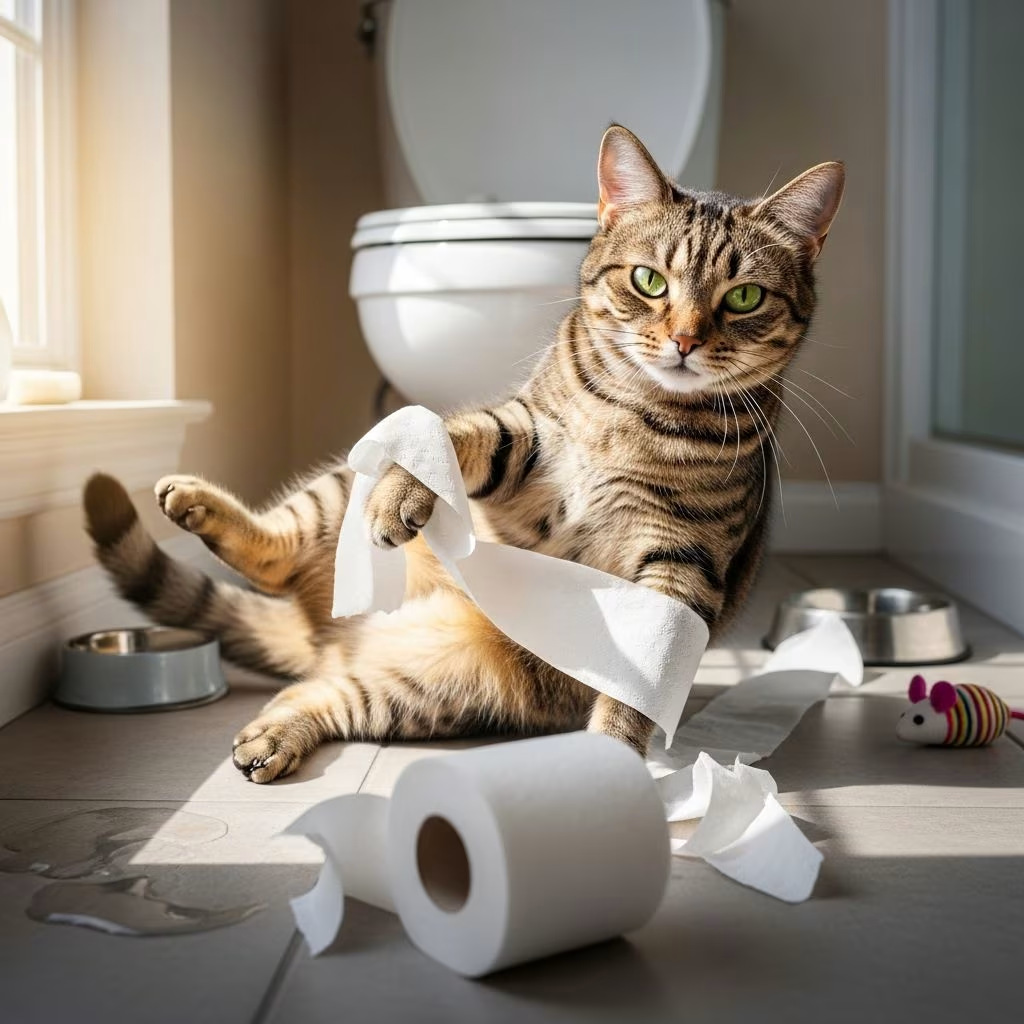
Cats are often labeled as “naughty” when they scratch furniture, knock items off tables, or avoid the litter box. However, these behaviors stem from natural instincts, unmet needs, medical issues, or environmental stressors rather than deliberate mischief. Understanding the root causes allows owners to address them effectively, fostering a stronger bond with their feline companions.
Table of Contents
- Scratching Furniture
- Knocking Things Off Tables
- Bringing in Dead Animals
- Attacking Hands and Feet
- Biting or Aggression
- Toileting Outside the Litter Tray
- Do Cats Go Through a Naughty Phase?
- Frequently Asked Questions
Scratching Furniture
Scratching is an essential natural behavior for cats, serving multiple purposes beyond destruction. Cats scratch to maintain healthy claws by shedding old layers, mark territory with scent glands in their paws, and stretch their muscles. Furniture like sofas and carpets provide appealing textures, leading cats to target them over provided posts.
Common triggers include insufficient scratching alternatives, stress from household changes, or boredom. A dirty or poorly placed litter box can indirectly contribute if the cat associates stress with certain areas. To redirect this:
- Provide multiple sturdy scratching posts in various materials (sisal, cardboard, wood) placed near problem areas.
- Use positive reinforcement with treats or play when the cat uses the post.
- Apply double-sided tape or citrus sprays to deter scratching on furniture temporarily.
- Regularly trim claws to minimize damage.
If scratching persists alongside aggression or hiding, consult a vet to rule out pain or anxiety. Environmental enrichment, such as cat trees, reduces overall stress-related scratching.
Knocking Things Off Tables
The sight of your cat batting objects off shelves frustrates many owners, but this stems from instinctual hunting and exploration. Cats knock items to simulate prey capture, test object stability, or seek attention when bored. High surfaces offer vantage points for surveillance, mimicking wild perches.
Contributing factors include lack of interactive play, excess energy (especially in kittens), or attention-seeking after previous reactions rewarded the behavior. Ignoring the act while providing alternatives breaks the cycle:
- Increase daily play sessions with wand toys or laser pointers to expend energy.
- Secure valuables with museum putty or edge barriers.
- Offer puzzle feeders and window perches for mental stimulation.
- Never punish, as it heightens anxiety and worsens behaviors.
Young cats outgrow intense knocking phases with routine, but seniors may do it due to cognitive decline—vet checks are essential.
Bringing in Dead Animals
Cats presenting “gifts” of dead birds or mice horrify owners, yet this reflects their predatory heritage. Domestic cats hunt for pleasure and practice, not hunger, sharing kills as a teaching instinct from feral roots. Indoor-outdoor access enables this, often peaking at dawn or dusk.
Stressors like new pets or routine changes amplify hunting drives. Prevention focuses on management:
- Supervise outdoor time or transition to indoor living with enclosures.
- Bell collars reduce prey success (though controversial for wildlife impact).
- Enhance indoor hunting with toys mimicking prey movement.
- Clean incidents with enzymatic cleaners to remove scents.
This behavior signals a healthy, active cat but requires balancing pet and wildlife welfare.
Attacking Hands and Feet
Ambush attacks on moving limbs mimic play-hunting but can injure owners. Kittens learn boundaries poorly if hands are used as toys; adults may act from boredom, overstimulation, or redirected aggression.
Signs of overstimulation include tail thrashing, flattened ears, or skin rippling. Solutions emphasize proper play:
- Use toys, not hands, for play—avoid roughhousing.
- Recognize and disengage at early overarousal cues.
- Provide solo play options like kick toys.
- Socialize multi-cat homes to prevent inter-cat redirects.
Pain-induced sensitivity warrants veterinary exams, as arthritis prompts defensive swats.
Biting or Aggression
True aggression is uncommon and signals underlying issues like fear, pain, or unmet needs rather than naughtiness. Fear aggression arises from threats (new pets, loud noises); pain from illness triggers defensive bites. Petting-induced bites occur from sensory overload.
| Type of Aggression | Common Causes | Solutions |
|---|---|---|
| Fear/Defensive | Anxiety, new stimuli | Slow desensitization, safe spaces |
| Pain-Related | Illness, injury | Vet visit first |
| Play/Redirected | Boredom, frustration | Enrichment, ignore demands |
| Territorial | Intruders, changes | Neutering, pheromones |
Spaying/neutering reduces hormone-driven aggression; Feliway diffusers calm anxiety. Never punish— it escalates fear.
Toileting Outside the Litter Tray
The top surrender reason to shelters, inappropriate elimination is rarely spiteful. Medical causes top the list: UTIs, bladder stones, constipation cause pain avoidance. Behavioral triggers include dirty boxes, location aversion, stress, or multi-cat conflicts.
Marking (spraying) signals territory disputes, unneutered status, or insecurity. Troubleshooting steps:
- Vet exam to exclude health issues.
- Rule of thumb: one box per cat plus one, scooped daily, in quiet spots.
- Experiment with litters (clumping vs. non), box types (open/hooded).
- Clean accidents enzymatically; confine to soiled area briefly for association.
- Address stressors with gradual introductions.
90% resolve with medical/behavioral fixes.
Do Cats Go Through a Naughty Phase?
All ages exhibit “naughty” traits, but kittens (2-6 months) peak due to teething, exploration energy, and boundary testing. Adolescents (6-18 months) mimic this with intensified play. Adults/seniors act out from boredom, health declines, or changes.
No true “terrible twos,” but phases correlate with growth spurts. Consistent routines, play (15-30 min twice daily), and vet checks mitigate. Enrichment prevents escalation into chronic issues.
Frequently Asked Questions (FAQs)
Why is my kitten so aggressive?
Kittens act aggressively from play instincts, teething, energy surplus, or poor early socialization. Redirect with toys and short sessions.
How can I stop my cat from scratching furniture?
Offer appealing posts, deter furniture, trim claws, and reward good scratching.
Why does my cat pee outside the litter box?
Rule out UTIs first, then check box cleanliness, number, and stress.
Is my cat being naughty on purpose?
No—cats lack human concepts of naughtiness; behaviors communicate needs or instincts.
What if aggression doesn’t stop?
Consult a vet behaviorist; pain or anxiety often underlies.
References
- 4 Cat Behavior Issues and the Reasons Behind Them — Kingsland Veterinary Center. Accessed 2026. https://kingslandvet.com/4-cat-behavior-issues-and-the-reasons-behind-them4-cat/
- 9 Most Common Cat Behavioral Issues — Paoli Vetcare. Accessed 2026. https://www.paolivet.com/behaviour-counselling/cat-behavioral-issues/
- Why is my cat being naughty? — Cats Protection (UK charity). Accessed 2026. https://www.cats.org.uk/cats-blog/why-is-my-cat-being-naughty
- 15 Strange Cat Behaviors Explained — The Drake Center (Veterinary). Accessed 2026. https://www.thedrakecenter.com/services/cats/blog/15-strange-cat-behaviors-explained
- Destructive and Annoying Behaviors in Cats — Best Friends Veterinary Center. Accessed 2026. https://bestfriendsvet.com/library/destructive-and-annoying-behaviors-in-cats/
- Top 9 Cat Behavior Challenges — Friends For Life Animal Shelter. Accessed 2026. https://friends4life.org/cat-behavior-101/
- Understanding Your Cat’s Behaviour — RSPCA (UK). Accessed 2026. https://www.rspca.org.uk/adviceandwelfare/pets/cats/behaviour



