

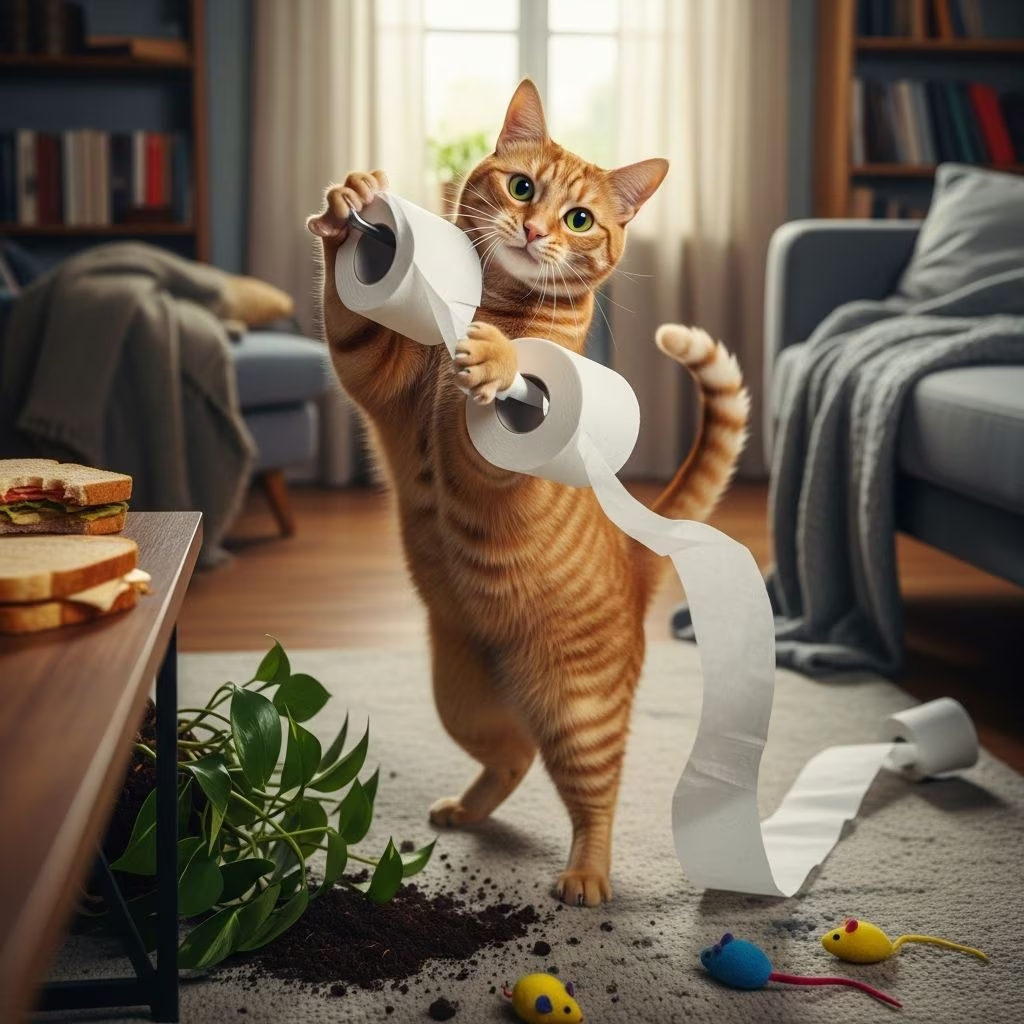
Cats are beloved companions known for their independent nature, but their seemingly “naughty” behaviors can frustrate even the most patient owners. Actions like scratching furniture, knocking items off tables, ignoring the litter box, or sudden aggression often leave cat parents puzzled. Importantly, what we perceive as naughtiness is rarely intentional misbehavior. Instead, these actions stem from instinct, unmet needs, stress, medical issues, or environmental factors. Understanding the root causes is key to addressing them effectively, preventing escalation, and strengthening your bond with your feline friend.
This comprehensive guide draws from veterinary insights and behavior experts to decode common naughty behaviors. We’ll explore why they happen, how to rule out health problems, and proven strategies for correction. By enriching your cat’s environment and responding appropriately, you can transform mischief into model behavior.
Understanding Naughty Cat Behavior
Cats don’t act out to spite you; their behaviors serve purposes like communication, self-preservation, or play. Kittens and young cats are often labeled “naughty” due to boundless energy and exploration drives. As they mature, persistent issues may signal boredom, anxiety, or pain. Common triggers include:
- Environmental stress: Changes like new pets, moves, or visitors disrupt their sense of security.
- Boredom or lack of stimulation: Indoor cats need outlets for hunting instincts.
- Medical conditions: Pain from arthritis, infections, or dental issues manifests as aggression or litter avoidance.
- Unmet needs: Insufficient play, poor litter setup, or inadequate scratching posts.
Always consult a vet first to exclude health problems, as untreated issues worsen behaviors. Behavioral modification follows, focusing on positive reinforcement over punishment, which heightens fear and anxiety.
Aggressive Tendencies in Cats
Aggression tops the list of concerning naughty behaviors, ranging from play bites to outright attacks. Fear, pain, anxiety, or redirected frustration often trigger it. Kittens may bite hands during play, mistaking them for prey, but this escalates in adults if unchecked. Inter-cat aggression arises from resource competition or poor introductions.
Signs include: Hissing, swatting, growling, dilated pupils, flattened ears, and tail thrashing.
To address aggression:
- Identify triggers: Note patterns like timing or stimuli.
- Vet check: Rule out hyperthyroidism, dental pain, or arthritis.
- Enrich environment: Provide vertical spaces, toys, and pheromone diffusers.
- Desensitize slowly: Use counter-conditioning for fear-based aggression.
- Spay/neuter: Reduces hormone-driven territorial fights.
Never punish; it reinforces fear. Professional behaviorists help chronic cases.
Litter Box Troubles
Inappropriate elimination—peeing or pooping outside the box—is a leading shelter surrender reason. Medical causes like UTIs, bladder stones, or constipation must be ruled out first. Behaviorally, cats avoid dirty, small, or poorly placed boxes. Stress from multi-cat homes or changes prompts urine marking.
| Issue | Possible Causes | Solutions |
|---|---|---|
| House-soiling | Dirty box, medical pain, stress | Clean daily, vet visit, reduce stressors |
| Urine marking | Territorial, unneutered, new pets | Spay/neuter, enzymatic cleaners, slow intros |
| Litter aversion | Wrong litter type, location | Offer choices, quiet private spot |
Scoop daily, provide one box per cat plus one, use unscented clumping litter. Enzymatic cleaners remove scents attracting repeats.
Scratching Furniture and Destructive Behaviors
Scratching maintains claws, marks territory via scent glands, and stretches muscles—pure instinct. Cats target soft furniture for texture. Knocking objects mimics hunting; high perches feel safe. Chewing cords or plants signals boredom or teething.
Prevention strategies:
- Sisal posts in preferred spots; reward use.
- Sticky tape or double-sided tape on furniture temporarily.
- Secure or remove knockables; provide stable shelves.
- Chew toys, bitter sprays for cords.
- Daily play sessions with wand toys.
Trim nails regularly and consider soft caps for indoor cats.
Attention-Seeking and Vocalization
Excessive meowing, pawing, or weaving demands food, play, or cuddles. Nighttime yowling disrupts sleep, often from hunger or loneliness. Causes: Boredom, reinforced habits, or hyperesthesia syndrome.
Ignore demands initially, then reward calm. Scheduled feedings and play prevent cycles. Feliway diffusers calm anxious vocalizers.
Bringing Home Prey and Rough Play
Cats “gift” dead animals as hunting lessons or territory shares. Rough play biting feet stems from kitten habits. Discourage by redirecting to toys; ignore “gifts” and clean promptly.
Do Cats Go Through a Naughty Phase?
Yes, kittens (3-6 months) exhibit peak energy, but adults can too from unmet needs. Adolescence (6-18 months) tests boundaries; consistent training helps. Senior cats’ “naughtiness” often masks cognitive decline or pain.
General Tips for a Well-Behaved Cat
Prevention beats cure:
- Enrichment: Cat trees, puzzles, window perches.
- Play: 15-30 minutes twice daily.
- Routine: Predictable meals, litter, sleep.
- Health checks: Annual vets catch issues early.
- Multi-cat harmony: Separate resources, gradual intros.
Pheromone products and clicker training accelerate progress.
Frequently Asked Questions (FAQs)
Why is my kitten so aggressive?
Kittens play rough due to energy and poor bite inhibition. Redirect to toys and never use hands.
How do I stop litter box avoidance?
Rule out medical issues, clean daily, try new litter/location.
Why does my cat scratch my couch?
Instinct for claws/territory. Provide appealing posts nearby.
Is my cat naughty on purpose?
No—behaviors signal needs or discomfort, not rebellion.
What if behaviors persist?
Consult a vet behaviorist for tailored plans.
References
- 4 Cat Behavior Issues and the Reasons Behind Them — Kingsland Veterinary Center. Accessed 2026. https://kingslandvet.com/4-cat-behavior-issues-and-the-reasons-behind-them4-cat/
- 9 Most Common Cat Behavioral Issues — Paoli Vetcare. Accessed 2026. https://www.paolivet.com/behaviour-counselling/cat-behavioral-issues/
- Why is my cat being naughty? — Cats Protection. Accessed 2026. https://www.cats.org.uk/cats-blog/why-is-my-cat-being-naughty
- 15 Strange Cat Behaviors Explained — The Drake Center. Accessed 2026. https://www.thedrakecenter.com/services/cats/blog/15-strange-cat-behaviors-explained
- Destructive and Annoying Behaviors in Cats — Best Friends Veterinary Center. Accessed 2026. https://bestfriendsvet.com/library/destructive-and-annoying-behaviors-in-cats/
- Top 9 Cat Behavior Challenges — Friends For Life Animal Shelter. Accessed 2026. https://friends4life.org/cat-behavior-101/



