

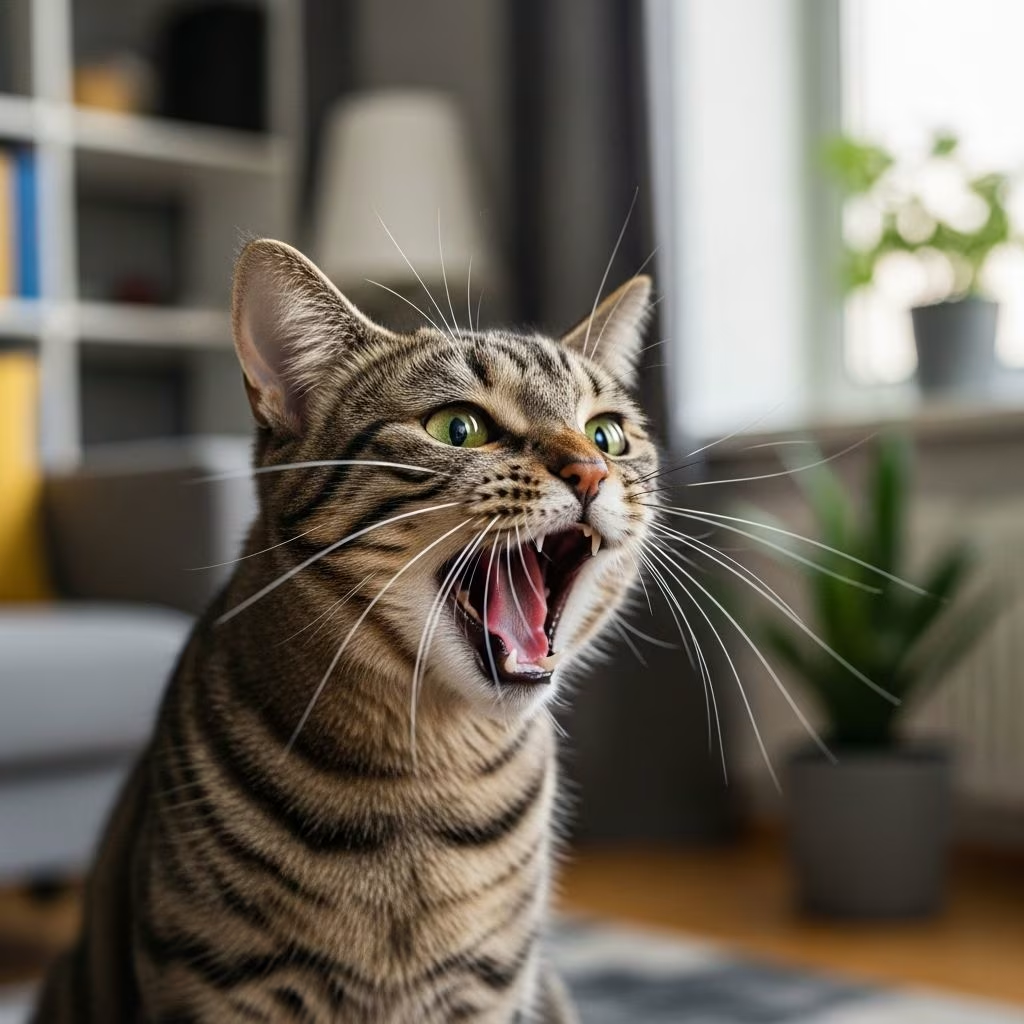
Cats communicate through a variety of vocalizations, but when your feline friend becomes unusually loud with persistent meowing, yowling, or caterwauling, it can be concerning and disruptive. Excessive vocalization in cats often signals unmet needs, stress, or underlying health problems. Understanding the reasons behind your cat’s noisiness is the first step to addressing it effectively.
This comprehensive guide covers the most common causes of loud cat behaviour, from benign attention-seeking to serious medical conditions. We’ll explore normal reasons, potential health issues, breed differences, and practical solutions to restore peace in your home.
Normal Reasons Why Cats Meow Loudly
Not all loud meowing indicates a problem. Cats are naturally vocal, especially when interacting with humans. Adult cats rarely meow at each other but develop this behaviour specifically to communicate with their owners. Here are the everyday triggers for your cat’s chatter:
- Hunger or food requests: Cats quickly learn that a loud meow around mealtime gets results. This is one of the most persistent vocal habits, often escalating if feeding is delayed.
- Attention-seeking: Bored, lonely, or affectionate cats meow to solicit play, petting, or interaction. Responding promptly reinforces the behaviour.
- Greeting behaviour: A cheerful meow when you arrive home is your cat’s way of saying hello. These are typically short and upbeat.
- Territorial concerns: Cats may yowl at perceived intruders, like other pets, neighbourhood cats seen through windows, or even delivery personnel.
- Nocturnal or crepuscular activity: Cats are naturally most active at dawn and dusk. Nighttime meowing reflects their internal clock, especially if they’re understimulated during the day.
These vocalizations are predictable and tied to routines. However, a sudden increase or change in pattern warrants closer attention.
Medical Causes of Excessive Meowing in Cats
When meowing becomes incessant, especially in older cats or accompanied by other symptoms, medical issues are often the culprit. Cats are masters at hiding illness, so vocalization can be an early warning sign. Always consult a veterinarian to rule out health problems first.
1. Hyperthyroidism
This is one of the most common conditions in senior cats, where the thyroid gland overproduces hormones, accelerating metabolism. Symptoms include **increased vocalization** (especially at night), weight loss despite ravenous hunger, hyperactivity, and restlessness. The American Animal Hospital Association (AAHA) provides detailed guidelines on diagnosis and treatment.
2. Pain or Discomfort
Cats in pain vocalize more, particularly when moving or touched. Common sources include dental disease, arthritis, urinary tract infections, or injuries. Look for hiding, limping, appetite changes, or aggression alongside the noise.
3. Cognitive Dysfunction (Feline Dementia)
Similar to Alzheimer’s in humans, this age-related decline causes confusion, anxiety, and disorientation—leading to loud, nighttime yowling. Affected cats may wander, change sleep patterns, or forget litter box habits. Resources from Colorado State University highlight early recognition.
4. Kidney Disease or High Blood Pressure
Chronic kidney issues, often linked to hypertension, can trigger excessive meowing. Older cats are prone to these systemic problems.
5. Sensory Decline
Hearing or vision loss makes cats feel insecure, prompting louder calls as they navigate uncertain surroundings. They may bump into furniture or seem startled easily.
6. Neurological Issues or Brain Tumors
Rare but serious, these can alter behaviour with circling, head pressing, or unsteady gait accompanying the vocalization.
Key takeaway: If your cat’s loudness is new, persistent, or paired with symptoms like weight loss, lethargy, or changes in eating/drinking, seek veterinary care immediately.
Breed Differences: Why Some Cats Are Naturally Louder
Not all cats are created equal in vocal volume. Certain breeds are genetically predisposed to be more talkative due to their heritage and personality.
| Breed | Vocal Traits | Additional Notes |
|---|---|---|
| Siamese | Loud, raspy, persistent meowing | Highly social; crave interaction |
| Oriental Shorthair | Expressive, frequent vocalizations | Siamese relatives; very people-oriented |
| Bengal | Loud chirps and chatter | Active, energetic hunters |
| Tonkin | Quirky, talkative nature | Rare breed with vocal tendencies |
| Other breeds (Maine Coon, Siberian) | Chirps, trills, moderate meowing | Gentle giants with varied sounds |
These breeds often meow to ‘converse’ and may seem louder simply because they’re more interactive. Provide ample enrichment to keep them content.
Stress and Environmental Factors Causing Loud Meowing
Cats thrive on routine and territory. Disruptions trigger anxiety, manifesting as yowling.
- Life changes: New pets, babies, moves, or absent owners cause insecurity.
- Litter box issues: Dirty or relocated boxes lead to vocal protests.
- Boredom: Insufficient play or stimulation, especially indoors.
- Heat cycles: Unspayed females caterwaul loudly to attract mates; males respond similarly.
The ASPCA notes environmental stress as a key factor in excessive vocalization.
How to Reduce Excessive Meowing: Practical Tips
Addressing the root cause is essential. Start with a vet check, then implement these strategies:
For Normal/Behavioural Meowing
- Stick to consistent feeding/play schedules; ignore meows, reward quiet.
- Use puzzle feeders and timed automatic feeders.
- Increase daytime enrichment: toys, scratching posts, window perches.
- Play before bed to tire them out.
For Nighttime Yowling
- Block external stimuli (e.g., neighbourhood cats).
- Provide night-safe toys.
- Maintain a calm nighttime routine.
For Stress/Anxiety
- Use pheromone diffusers (Feliway).
- Create vertical spaces and hiding spots.
- Gradual introductions for new pets/humans.
Spay/neuter prevents heat-related caterwauling.
When to See a Vet for Loud Cat Behaviour
Schedule a visit if:
- Meowing is sudden or escalating.
- Accompanied by appetite/weight changes, litter issues, or mobility problems.
- Your cat is senior (7+ years).
Vets may recommend bloodwork, thyroid tests, or neurological exams.
Frequently Asked Questions (FAQs)
Why is my cat meowing so much all of a sudden?
Sudden increases often signal pain, hyperthyroidism, stress, or cognitive issues. Rule out medical causes first.
Should I ignore my cat’s loud meowing?
Don’t reinforce by responding immediately. Wait for quiet, then reward. But investigate persistent changes.
Why does my cat yowl at night?
Crepuscular nature, hunger, cognitive dysfunction, or hyperthyroidism. Daytime play helps.
Are some cats just louder than others?
Yes, breeds like Siamese are naturally vocal and social.
Can stress make my cat loud?
Absolutely—changes in routine or environment trigger anxiety yowling.
References
- Why Is My Cat Meowing So Much? Exploring Excessive Vocalization in Cats — Bayview Pets. 2023. https://bayviewpets.com/why-is-my-cat-meowing-so-much-exploring-excessive-vocalization-in-cats/
- What’s Your Cat Trying to Tell You? Causes of Constant Meowing — Carolina Virginia Animal Hospital. 2023. https://carolinavirginiavet.com/whats-your-cat-trying-to-tell-you-causes-of-constant-meowing/
- The Cat’s Meow! Caterwauling in Cats — VCA Animal Hospitals. 2024-01-14. https://vcahospitals.com/know-your-pet/the-cats-meow-caterwauling-in-cats
- Why Does My Cat Meow at Night? 6 Reasons & Ways to Prevent It — Purina. 2023. https://www.purina.com/articles/cat/behavior/training/cat-meowing-at-night
- Meowing and Yowling — ASPCA. 2024. https://www.aspca.org/pet-care/cat-care/common-cat-behavior-issues/meowing-and-yowling



