

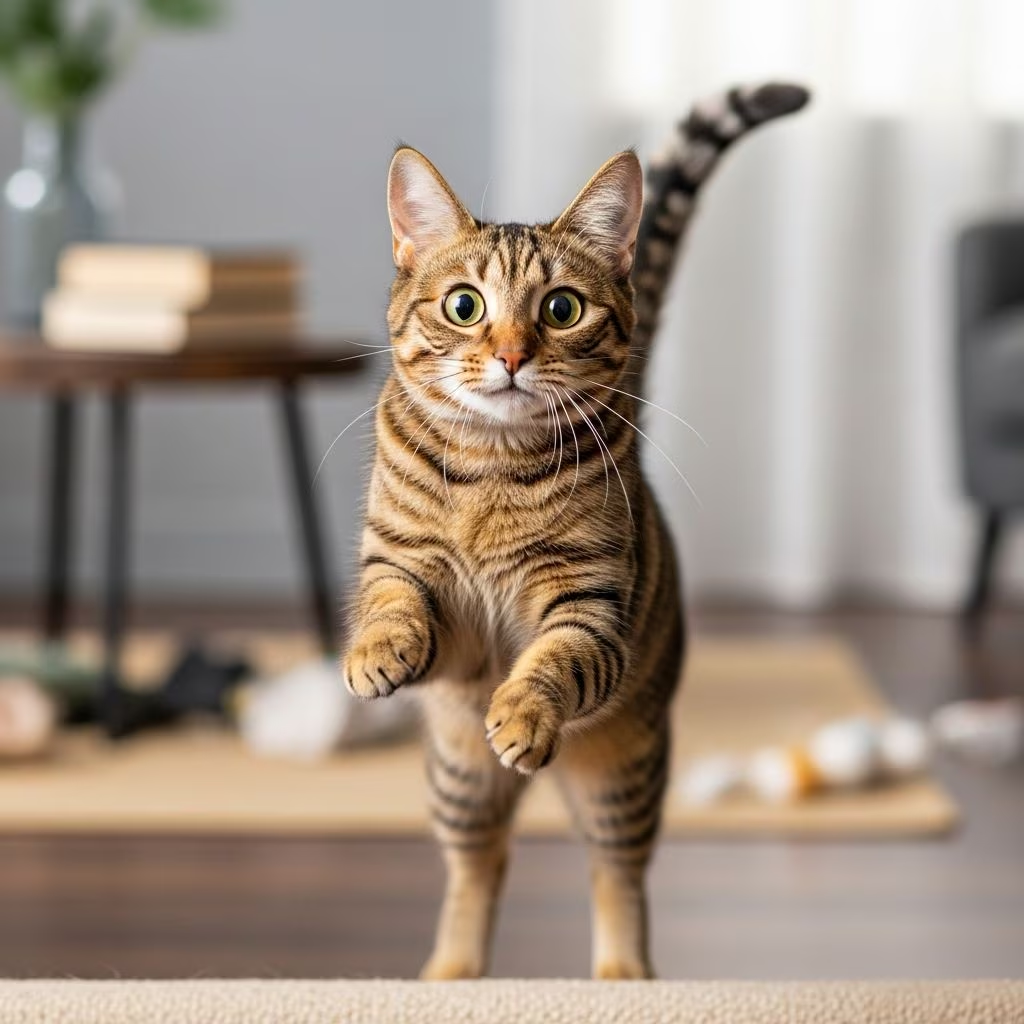
It can be concerning when your normally relaxed cat suddenly becomes jumpy, darting away at the slightest noise or movement. Cats are masters at hiding discomfort, so observing their body language is key to understanding if they’re fearful, anxious, or unwell. A jumpy cat often signals underlying **fear or anxiety**, but it could also indicate health issues. This article explores the **8 most common vet-reviewed reasons** for sudden jumpiness in cats, drawing from expert veterinary insights, and provides actionable advice to help your feline regain confidence.
Sudden behavioral shifts warrant attention. While occasional skittishness is normal, persistent jumpiness may require veterinary evaluation to rule out medical causes.
The 8 Reasons That Your Cat Is So Jumpy
Cats’ heightened senses make them more reactive than humans to environmental cues. Here’s a breakdown of the primary triggers for jumpy behavior, supported by veterinary sources.
1. Something Frightened Them
The top reason for sudden jumpiness is a recent scare. Cats possess superior hearing and smell, detecting **loud noises** (like thunderstorms or vacuums), unfamiliar odors, barking dogs, or shouting children that humans might miss. Outdoor cats may return jumpy after encountering predators, traffic, or getting trapped, heightening their environmental vigilance.
Body language clues include dilated pupils, flattened ears, arched back, and tail twitching. Most cats calm within hours once safe, but provide quiet hiding spots like cat trees or boxes to aid recovery. If jumpiness lingers, investigate further.
2. Anxiety or Stress
Chronic **anxiety** amplifies reactions to minor stimuli. Stress sources include household changes like moving, renovations, new pets, or family members. Anxious cats hide, vocalize excessively, eliminate outside the litter box, or show destructive behavior.
- Hiding or pacing defensively
- Increased meowing or aggression
- Appetite changes or over-grooming
- Tail chasing or skin twitching
To alleviate, maintain routines, use pheromone diffusers (like Feliway), and create safe zones. Severe cases may need anti-anxiety meds from a vet.
3. Past Trauma
Rescue cats often carry invisible scars from abuse, neglect, or abandonment. Triggers like raised voices or sudden movements can reactivate trauma responses, causing wariness and jumpiness. These cats may struggle with trust, leading to fearful avoidance.
Building security takes patience: Use gentle handling, predictable feeding, and positive reinforcement. Professional behaviorists can help if trauma severely impacts quality of life.
4. Changes In Their Environment
Cats crave stability; disruptions like new furniture, visitors, or rearranged litter boxes disrupt their sense of safety, inducing anxiety and jumpiness. Routine is their anchor—deviations signal potential threats.
Mitigate by introducing changes gradually. For example, place new items near familiar ones and supervise interactions. Vertical spaces like shelves reduce stress by offering escape routes.
5. Poor Socialization
Kittens need exposure to humans, sounds, and objects between 2-7 weeks for confidence. **Poorly socialized cats** view novelty as danger, reacting with exaggerated jumps or hisses. Feral or isolated cats are especially prone.
Remediate with desensitization: Short, positive sessions with toys, brushes, and handling. Never force interactions—let them approach on their terms.
6. Feline Hyperesthesia Syndrome (FHS)
This neurological condition mimics jumpiness with **skin rippling**, frantic running, tail chasing, and vocalizing. Often mistaken for play, FHS episodes involve dilated pupils, excessive grooming, and pain sensitivity on the back.
Triggers include stress or genetics; diagnosis requires ruling out fleas, allergies, or seizures via vet exams. Management includes anxiety meds, environmental enrichment, and sometimes gabapentin.
| Symptom | Description | Duration |
|---|---|---|
| Rippling skin | Twitching along back/tail base | Seconds to minutes |
| Frantic behavior | Running, jumping, self-attack | Episodic |
| Sensitivity | Pain when touched | During episodes |
7. Illness or Injury
Pain makes cats vulnerable and reactive. Hidden injuries (abscesses, arthritis) or illnesses (urinary issues, dental pain) cause withdrawal or agitation. Sensory loss from vision/hearing decline heightens startle responses.
- Lethargy, appetite loss
- Avoiding jumps/climbs
- Excessive vocalizing on touch
- Hiding or restlessness
Urgent vet visit if symptoms persist beyond 24-48 hours.
8. Cognitive Decline
Senior cats (over 10) may suffer **feline cognitive dysfunction (FCD)**, akin to dementia, causing confusion, irritability, and exaggerated fear responses. Memory lapses make familiar things scary.
Support with senior diets (antioxidants), puzzle feeders for mental stimulation, and vet-prescribed supplements. Monitor for worsening.
How to Help Your Jumpy Cat
Start with environmental tweaks:
- Minimize loud noises and sudden movements.
- Provide multiple litter boxes, scratching posts, and perches.
- Use calming aids: Pheromones, CBD treats (vet-approved).
- Enrich play: Wand toys channel energy, reducing zoomies mistaken for jumpiness.
Track behavior in a journal: Note triggers, duration, and patterns. Consult a vet if no improvement in 3-5 days or if paired with physical symptoms.
When to See a Vet
Seek professional help if jumpiness:
- Lasts over 48 hours without obvious trigger.
- Accompanies lethargy, vomiting, or appetite loss.
- Involves aggression or self-harm.
- Affects a senior cat.
Vets may recommend bloodwork, imaging, or behavior consults. Early intervention prevents chronic issues.
Frequently Asked Questions (FAQs)
Why is my cat suddenly scared of me?
Pain, stress, or trauma could make your cat wary. Check for injuries and reduce stressors; give space to rebuild trust.
Is it normal for cats to be jumpy at night?
Crepescular cats are active dusk/dawn, but excessive jumpiness signals overstimulation or unmet needs like play.
Can zoomies be mistaken for jumpiness?
Yes, happy zoomies (FRAPs) involve joyful bursts post-nap or litter use, unlike fearful darting.
What if my cat twitches and runs frantically?
Suspect FHS; note episodes and see a vet for neurological evaluation.
How do I calm an anxious cat?
Use pheromone products, routine, and gentle play. Prescription meds for severe cases.
References
- Why Is My Cat So Jumpy All of a Sudden? 8 Vet Reviewed Reasons — Catster. 2023. https://www.catster.com/cat-behavior/why-is-my-cat-so-jumpy/
- Cat Zoomies: What is the Reason? — Shawsheen Animal Hospital. 2023. https://shawsheenanimalhospital.com/blog/cat-zoomies/
- Feline Hyperesthesia Syndrome: Causes, and Treatment Options — Arch Creek Animal Clinic. 2023. https://archcreekanimalclinic.com/feline-hyperesthesia-syndrome/
- Why is My Cat Scared of Everything? — MVA Vets. 2023. https://mvavets.com/blog/why-is-my-cat-scared-of-everything/
- Signs and steps for cat anxiety — Banfield Pet Hospital. 2023. https://www.banfield.com/Wellness-at-banfield/kitten-hub/cat-anxiety
- Behavior Problems of Cats — Merck Veterinary Manual. 2025-02-15. https://www.merckvetmanual.com/behavior/behavior-of-cats/behavior-problems-of-cats
- Feline Hyperesthesia Syndrome (Twitchy Cat Syndrome) — PetMD. 2023. https://www.petmd.com/cat/conditions/skin/feline-hyperesthesia-syndrome



