

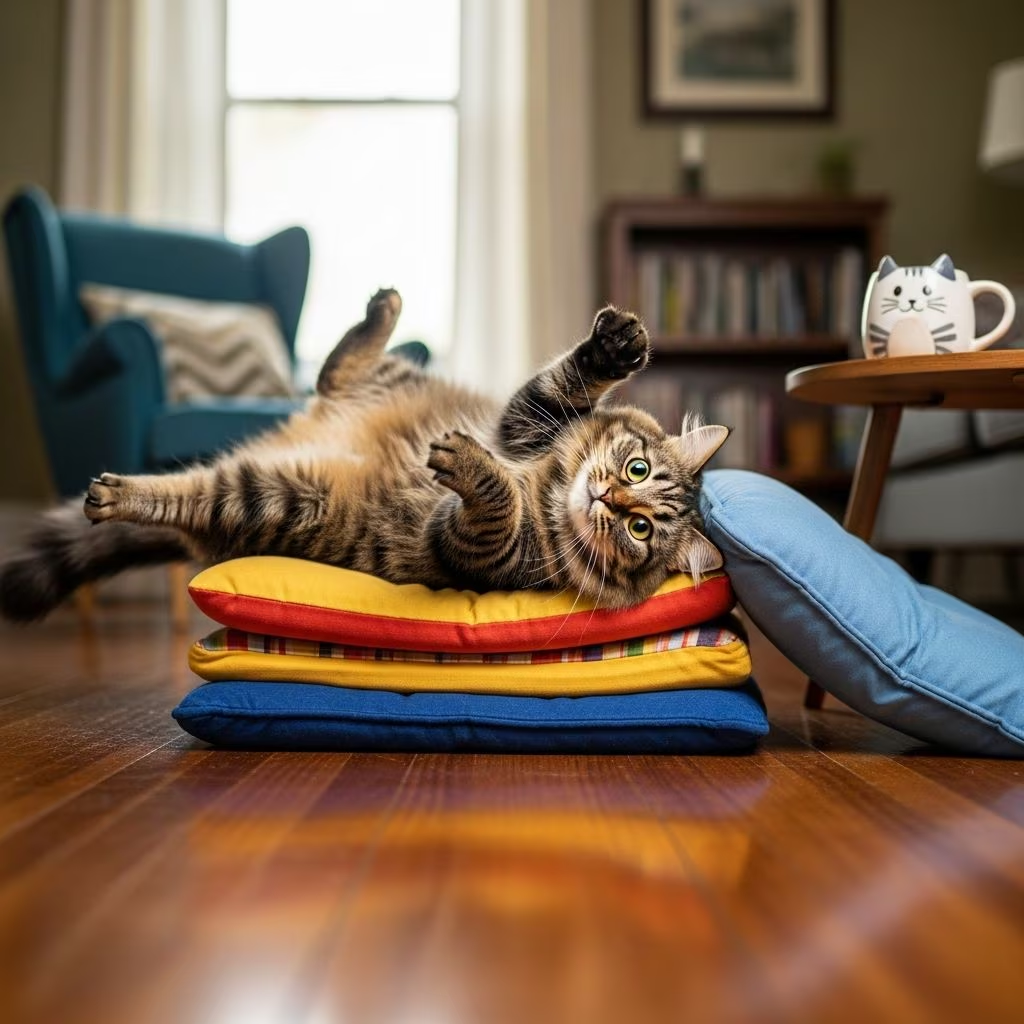
Cats are renowned for their grace and agility, leaping effortlessly onto high shelves and landing on their feet with precision. However, if your once-nimble feline is suddenly bumping into walls, missing jumps, or stumbling over familiar paths, it can be concerning. Clumsiness in cats, often manifesting as ataxia or poor coordination, can stem from various causes ranging from serious medical conditions to simple environmental factors. Understanding the root cause is crucial for ensuring your cat’s health and quality of life.
This comprehensive guide explores the most common reasons why cats become clumsy, drawing on veterinary insights to help you identify potential issues. We’ll cover neurological disorders, vision problems, metabolic conditions, age-related changes, environmental hazards, and lifestyle factors. By the end, you’ll know when to monitor at home and when to rush to the vet.
Understanding Feline Clumsiness: What It Looks Like
Clumsiness in cats isn’t just occasional slips; it’s a noticeable change in their typical fluid movements. Signs include wobbling while walking, misjudging jumps, falling off perches, head tilting, or leaning against walls for support. These symptoms can appear suddenly or develop gradually, affecting cats of any age.
For instance, a cat with coordination issues might place its feet awkwardly, exhibit tremors during focused activities like eating, or circle uncontrollably. While some cats adapt remarkably well, persistent clumsiness warrants attention to rule out underlying health problems.
Neurological Causes of Clumsiness
Neurological issues are among the most serious culprits behind cat clumsiness. The brain and nervous system control balance, coordination, and precise movements, so any disruption can lead to dramatic changes.
Cerebellar Hypoplasia: Wobbly Cat Syndrome
Cerebellar hypoplasia, often called ‘wobbly cat syndrome,’ occurs when the cerebellum—the brain region responsible for motor control—fails to develop fully in utero. Typically caused by feline panleukopenia virus infection in pregnant queens, it results in lifelong ataxia but is non-progressive and painless.
Affected kittens show symptoms from early mobility: wide-based stance, intention tremors (shaking intensifies with focus), and jerky movements. They walk clumsily, with legs splayed to maintain balance, but sit normally when still. Diagnosis is clinical, though MRI confirms cerebellar underdevelopment. These cats thrive with environmental modifications like ramps, low-sided litter boxes, and non-slip surfaces. They lead happy, normal lifespans without medication.
Vestibular Disease: Balance Disruption
Vestibular disease affects the inner ear and brain structures governing equilibrium. Cats exhibit pronounced head tilts, circling, falling to one side, and rapid eye movements (nystagmus). Idiopathic vestibular syndrome in older cats often resolves spontaneously, but persistent cases may indicate infections, tumors, or toxins.
Symptoms strike suddenly, causing disorientation. Veterinary exams, including neurological assessments, pinpoint the cause. Treatment varies from supportive care to addressing underlying issues like ear infections.
Other Neurological Problems
- Brain tumors or lesions: Progressive clumsiness, especially unilateral, signals potential masses affecting coordination centers.
- Seizure disorders: Mild seizures mimic clumsiness with episodic motor control loss.
- Spinal issues: Bulging discs or tumors disrupt proprioception, causing knuckling or dragging limbs.
Neurological clumsiness often worsens over time, making early vet intervention essential.
Vision Problems Leading to Clumsiness
Cats depend on sharp vision for navigation. Visual impairments force reliance on other senses, resulting in bumps and missteps.
- Cataracts: Clouded lenses impair depth perception, causing hesitant movements.
- Retinal degeneration: Progressive retina deterioration leads to night blindness and overall vision loss.
- Glaucoma: Eye pressure damages the optic nerve, often silently until advanced.
- Sudden blindness: Hypertension or thromboembolism detaches retinas abruptly, prompting dramatic clumsiness as cats adapt.
Observe for dilated pupils, bumping into objects, or reluctance to jump. Ophthalmic exams diagnose and treat where possible, like surgery for cataracts.
Metabolic and Systemic Conditions
Systemic diseases indirectly impair coordination through weakness or toxin buildup.
- Hypoglycemia: Low blood sugar causes tremors and weakness.
- Diabetes: Fluctuating glucose levels precede diagnosis with neuropathy.
- Kidney/liver disease: Uremia or hepatic encephalopathy toxifies the brain.
- Hyperthyroidism: Muscle wasting and weakness in seniors.
Bloodwork reveals these; managing the primary disease often improves mobility.
Age-Related Clumsiness in Senior Cats
Aging gracefully isn’t always smooth for cats over 10 years. Cumulative wear leads to:
- Arthritis: Joint inflammation causes stiff, awkward gaits.
- Muscle atrophy: Sarcopenia reduces power for jumps.
- Cognitive dysfunction: Feline dementia impairs spatial awareness.
- Sensory decline: Combined vision/hearing loss compounds issues.
Senior wellness checks with pain management (e.g., joint supplements) help maintain mobility.
Environmental Factors: When Home is the Hazard
Not all clumsiness is medical. Homes can become obstacle courses.
- Cluttered spaces: Furniture rearrangements disorient spatial memory.
- Narrow paths: Tight squeezes challenge quick maneuvers.
- Distractions: Multi-pet homes or noises cause startles mid-jump.
Declutter, provide clear pathways, and use stable perches to minimize accidents.
Lifestyle Issues: The Impact of Inactivity
Sedentary indoor cats lose fitness.
- Muscle weakness: Atrophy from lack of use.
- Poor proprioception: No practice honing body awareness.
- Obesity: Excess weight shifts balance.
Interactive toys, climbing trees, and laser play restore agility.
When to See the Vet: Red Flag Symptoms
Monitor for:
- Sudden onset in graceful cats.
- Progressive worsening.
- Unilateral symptoms.
- Accompanying signs: vomiting, appetite loss, pain.
- Inability to stand.
Video episodes for your vet. Diagnostics may include blood tests, imaging, or neurology consults.
How Vets Diagnose Cat Clumsiness
A thorough history, physical/neurological exam localizes the issue (cerebellar, vestibular, proprioceptive). Bloodwork screens metabolic causes; advanced imaging (MRI/CT) confirms structural problems.
Treatment and Management Strategies
Tailored to cause:
| Condition | Treatment |
|---|---|
| Cerebellar Hypoplasia | Supportive: ramps, soft flooring. No cure needed. |
| Vestibular Disease | Anti-nausea meds, motion sickness drugs. |
| Vision Loss | Treat underlying (e.g., hypertension meds); environmental aids. |
| Arthritis | NSAIDs, glucosamine, weight control. |
| Metabolic | Disease-specific therapy (insulin for diabetes). |
Holistic care includes physiotherapy, acupuncture for some cases.
Preventing Clumsiness in Cats
Vaccinate queens against panleukopenia to prevent cerebellar hypoplasia. Regular vet checkups catch issues early. Maintain ideal weight, provide exercise, and kitten-proof homes.
Living with a Clumsy Cat: Tips for Owners
- Install baby gates on stairs.
- Use carpet runners for traction.
- Offer ground-level resources.
- Enrich environment safely.
- Join support groups for wobbly cats.
Many clumsy cats adapt superbly, enjoying full lives.
Frequently Asked Questions (FAQs)
What is cerebellar hypoplasia in cats?
A non-painful, congenital brain underdevelopment causing lifelong wobbliness, often from panleukopenia virus.
Can vestibular disease be cured?
Idiopathic cases often resolve in days; treatable causes require specific therapy.
Is clumsiness normal in old cats?
Mild changes yes, but investigate if sudden or severe.
How do I help a wobbly kitten?
Provide stable environments, patience; they adapt well.
Should I euthanize a clumsy cat?
Never solely for clumsiness; quality of life is usually excellent with support.
References
- Why Is My Cat So Clumsy? Common Causes — Pet Housy. 2023. https://www.pethousy.com/blog/why-is-my-cat-so-clumsy
- Wobbly Cats: Cerebellar Hypoplasia Causes, Symptoms & Care Tips — Pet Gevity. 2023. https://www.petgevity.co.uk/blog/wobbly-cats-in-the-spotlight-understanding-cerebellar-hypoplasia
- Clumsy Cats – Cerebellar Hypoplasia — Urban Animal Veterinary. 2023. https://urbananimalveterinary.com/event/clumsy-cats-cerebellar-hypoplasia/
- Wobbly Cat Syndrome: An Interesting But Harmless Condition — Texas A&M University College of Veterinary Medicine & Biomedical Sciences. 2023-10-01. https://vetmed.tamu.edu/news/pet-talk/wobbly-cat-syndrome/
- Signs and Symptoms of Cerebellar Hypoplasia in Cats — GoodRx. 2024. https://www.goodrx.com/pet-health/cat/cerebellar-hypoplasia
- Ataxia in Cats: Causes and When To Worry — PetMD. 2024. https://www.petmd.com/cat/symptoms/ataxia-in-cats
- Vestibular Syndrome — Cornell University College of Veterinary Medicine. 2023. https://www.vet.cornell.edu/departments-centers-and-institutes/cornell-feline-health-center/health-information/feline-health-topics/vestibular-syndrome



