

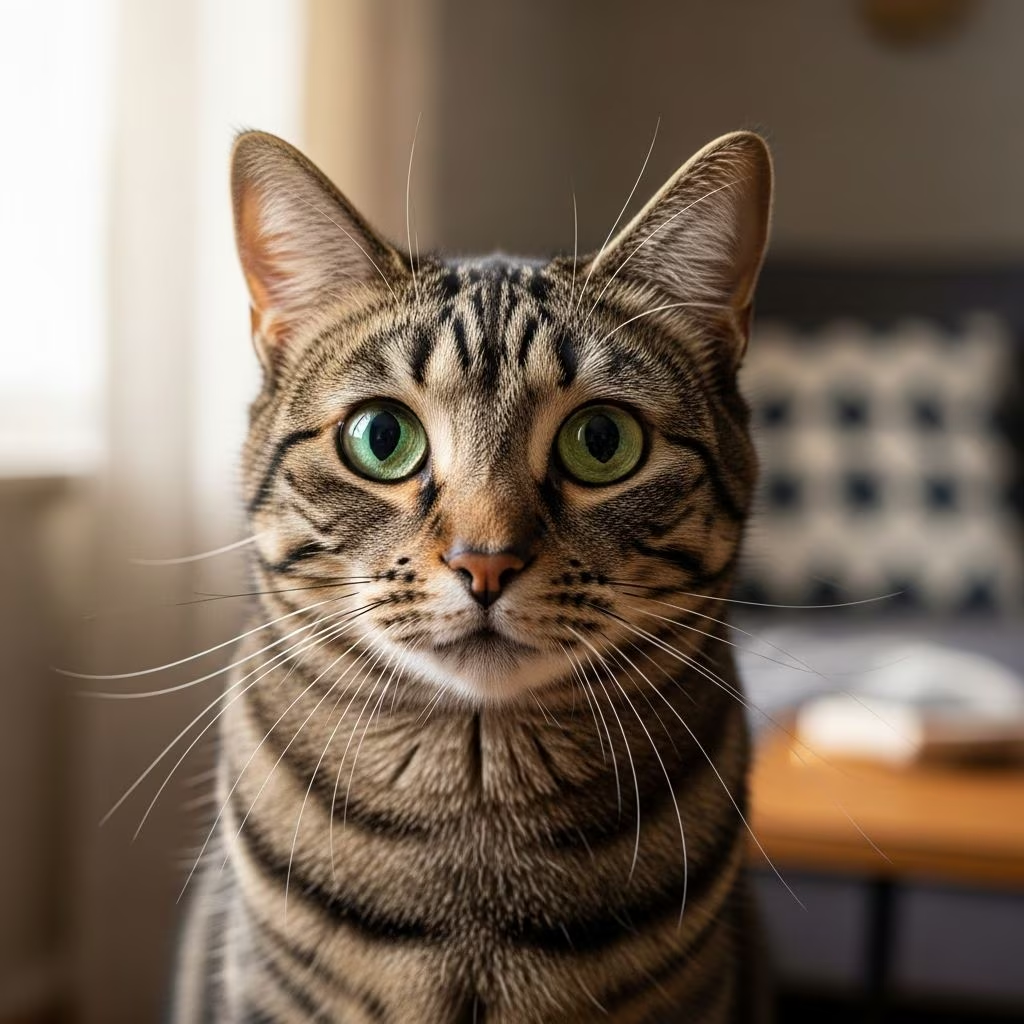
Why Is My Cat Shaking? Understanding Tremors in Felines
Seeing your cat shake or tremble can be concerning for any pet owner. While some causes of feline shaking are benign and temporary, others may indicate underlying health conditions that require immediate veterinary attention. Understanding the various reasons why cats shake is essential for maintaining your feline companion’s health and well-being. Cat shaking can stem from environmental factors, emotional responses, or serious medical issues, and identifying the cause is crucial for appropriate treatment.
Common Environmental and Behavioral Causes
Cold Temperature and Hypothermia
One of the most straightforward reasons cats shake is exposure to cold environments. Cats naturally shake to generate heat when they detect a drop in body temperature. Cats typically maintain a normal body temperature between 100.5 and 102.5 degrees Fahrenheit. When exposed to cold conditions, their muscles contract and relax rapidly to produce warmth and increase blood flow to their extremities. Although cats have dense fur coats that provide insulation, prolonged exposure to extreme cold can overwhelm their natural thermoregulation abilities. Kittens, particularly newborns, have difficulty maintaining normal body temperature and are at higher risk for hypothermia, which can become life-threatening. If your cat frequently shakes in chilly environments, provide warm bedding, blankets, or access to heated spaces to keep them comfortable.
Wet Fur and Moisture
Water can trigger shaking in cats for two reasons. First, wet fur becomes heavy and loses its insulating properties, making cats feel cold. Second, the sensation of being wet often triggers an involuntary shaking reflex as cats attempt to dry themselves quickly. If your cat dislikes water and shakes after getting wet, ensure they have access to a warm, dry space where they can retreat until they feel comfortable again. Some cats may also shake when they get caught in rain or accidentally splash themselves during water play.
Stress, Anxiety, and Fear
Emotional stress is another significant cause of cat tremors. Intense emotions such as fear, anxiety, or anticipation can trigger muscle shaking in cats. When a cat experiences stress, its nervous system sends signals that cause rapid muscle contractions and relaxations, resulting in visible tremors. Common stressors for cats include thunderstorms, fireworks, visits to the veterinarian, introduction of new pets, or changes in their living environment. Additionally, excitement or anticipation can sometimes cause tremors. To minimize stress-related shaking, create a calm, secure environment with consistent routines, provide hiding spots or safe spaces, and consider using pheromone diffusers that can help reduce anxiety in cats. Enriching your cat’s environment with interactive toys, scratching posts, and vertical spaces also helps alleviate boredom and stress.
Medical Causes of Cat Shaking
Pain and Injury
Pain is one of the primary medical reasons cats shake and shiver. Cats are excellent at hiding pain and illness, but tremors can indicate discomfort or underlying health problems. Pain may result from external injuries like cuts or bumps, or from internal injuries that might not be immediately visible. Conditions causing pain include arthritis, cancer, urinary tract infections (UTIs), and trauma. If you suspect your cat is shaking from pain, carefully examine their body for signs of external injury and observe their behavior for symptoms of internal injury, such as limping or excessive vocalization. Cats that vocalize when moving or being touched may be experiencing significant pain and require immediate veterinary evaluation.
Kidney Disease
Kidney disease is one of the most prevalent conditions in older cats and can cause cat shivering. Early signs of declining kidney function include increased urination and excessive water consumption. As cats urinate more frequently, their metabolism is affected, causing weight loss and lethargy. Kidney disease can also cause tremors and may turn a cat’s gums white. If you notice these warning signs in your cat, contact your veterinarian promptly. Treatment typically involves dietary modification and adequate hydration. Your veterinarian may recommend a prescription diet and medications to manage symptoms such as hypertension, anemia, and nausea.
Low Blood Sugar (Hypoglycemia)
Hypoglycemia, or low blood sugar, is one of the more common reasons for cat tremors. Cats’ blood sugar levels drop when they haven’t eaten in a while, and this condition can cause muscle tremors, weakness, depression, and even seizures. The primary treatment is getting your cat to eat their regular food if possible. If your cat refuses to eat, you can apply honey or maple syrup directly to their gums to quickly increase blood sugar levels. However, if your cat continues refusing food, contact your veterinarian immediately to determine the underlying cause. Long-term management may require dietary adjustments recommended by your veterinarian to prevent future episodes of low blood sugar.
Fever and Hyperthermia
Elevated body temperature, or hyperthermia, can cause tremors in cats. For cats, a fever is defined as any temperature above 102.5 degrees Fahrenheit. Hyperthermia typically results from viruses, infections, or other systemic disorders. If you suspect your cat has a fever, use a thermometer to check their temperature and share this information with your veterinarian to expedite diagnosis and treatment. Fever-related shaking usually resolves once the underlying infection or illness is treated.
Toxin Exposure
Toxin exposure can cause serious tremors in cats and constitutes a veterinary emergency. The most common tremor-causing toxin in cats is permethrin, found in over-the-counter topical flea and tick medications for dogs. When these products are applied to a cat or transferred from a recently treated dog, they can cause muscle tremors, drooling, a wobbly gait, and seizures. Other toxic substances that cause tremors include avermectins (oral dog heartworm products), amphetamines (found in ADHD medications), and bromethalin (rodenticide). In cases of toxin exposure, your cat requires urgent intervention, such as IV fluids or hospitalization. Always use only cat-appropriate flea and tick prevention products and keep all medications and pesticides securely stored away from your pet.
Cerebellar Hypoplasia
Cerebellar hypoplasia is a congenital condition where a kitten’s cerebellum doesn’t develop properly, usually from exposure to feline panleukopenia virus while in the womb. The cerebellum controls balance, posture, and fine motor skills. Cats with cerebellar hypoplasia have an unsteady gait and muscle tremors, along with intention tremors—shaking and wobbling that worsen when they focus on specific tasks. While there is no cure for cerebellar hypoplasia, affected cats can live comfortable lives with appropriate support and medications to reduce tremor frequency.
Electrolyte Imbalances
Electrolyte imbalances can occur in cats with a blocked urethra or significant fluid loss due to vomiting and diarrhea. These imbalances disrupt normal muscle and nerve function, resulting in tremors. This condition requires prompt veterinary treatment, particularly if your cat has a urinary blockage, which can be life-threatening.
When to Seek Veterinary Care
While occasional mild shaking in response to cold or excitement is usually harmless, certain situations warrant immediate veterinary attention. If your cat cannot control their shaking, they should be seen by a veterinarian right away, as this can indicate seizure activity, toxin exposure, low blood sugar, or severe illness.
Red Flags Requiring Immediate Care
Seek veterinary care if your cat is shaking and also displays any of the following:
- Unresponsiveness to verbal or physical stimulation
- Is diabetic and experiencing tremors
- Urinating or defecating without control
- Known or suspected exposure to a toxin
- A history of trauma
- Other signs of illness such as lethargy, vomiting, or loss of appetite
- Vocalization when moving or being touched
- Changes in gum color, particularly whitening
- A wobbly gait or loss of coordination
Diagnostic Process at the Veterinary Clinic
When you bring your shaking cat to the veterinarian, they will conduct a thorough evaluation. Your vet will perform physical exams and laboratory tests to develop a diagnosis and create a targeted treatment plan. The diagnostic process may include blood work, urinalysis, imaging studies, and neurological assessments depending on the suspected cause. Providing your veterinarian with detailed information about when the shaking started, what other symptoms you’ve observed, and any potential toxin exposure will help expedite the diagnostic process.
Treatment Options for Cat Shaking
Treatment approaches vary depending on the underlying cause of your cat’s tremors:
Pain Management
If your cat is shaking from pain, pain medications may help manage discomfort. For significant injuries, surgery or other specialized treatments may be necessary to repair the underlying damage.
Kidney Disease Management
Cats with kidney disease benefit from dietary modification and adequate hydration. Your veterinarian may recommend a prescription diet specifically formulated for kidney health and medications to manage associated symptoms like hypertension, anemia, and nausea.
Toxin Exposure Treatment
Cats exposed to toxins require urgent intervention, which may include IV fluids, hospitalization, or activated charcoal administration to prevent toxin absorption. Once your cat recovers, ensure the toxin source is completely removed from your environment.
Hypoglycemia Management
Immediate treatment involves providing food or applying honey or syrup to your cat’s gums. Long-term management focuses on dietary adjustments recommended by your veterinarian to prevent future episodes of low blood sugar.
Neurological Conditions
For congenital conditions like cerebellar hypoplasia, treatment may focus on providing support with medications that reduce tremor frequency or help keep your cat comfortable. In some cases, no specific treatment is available, and management focuses on quality of life.
Frequently Asked Questions About Cat Shaking
Q: Is it normal for cats to shake when they’re excited?
A: Yes, cats can experience tremors during intense emotions like excitement, anticipation, or fear. This is typically mild and temporary, resolving once your cat calms down.
Q: Can indoor cats get cold enough to shake?
A: Yes, even indoor cats can shake from cold if rooms are poorly heated or if they’re wet. While adult cats can typically maintain normal body temperature in cool environments, they’re still more comfortable in warm spaces.
Q: What should I do if my cat shakes after getting wet?
A: Provide your cat with warm towels and a dry, heated space to rest. The shaking is a natural response to drying off and usually stops once they’re dry and warm.
Q: How can I tell if my cat’s shaking is a medical emergency?
A: If your cat cannot control their shaking, appears unresponsive, or shows signs of illness like vomiting or lethargy, seek immediate veterinary care. These can indicate serious conditions requiring urgent treatment.
Q: Should I use dog flea treatments on my cat?
A: Never apply dog flea and tick treatments to your cat. Many contain permethrin, which is toxic to cats and can cause severe tremors, seizures, and other serious complications. Always use cat-specific flea prevention products.
Q: Can stress cause permanent shaking in cats?
A: Stress-related shaking is typically temporary and stops once your cat feels safe and calm. However, chronic stress can contribute to other health problems. Creating a calm environment and reducing stressors helps prevent stress-related tremors.
Q: What is the difference between normal shaking and seizures?
A: Normal shaking typically occurs in response to cold, excitement, or mild discomfort and stops when the trigger is removed. Seizures involve involuntary muscle contractions, loss of consciousness, and inability to control the body. Cats experiencing seizures require immediate veterinary evaluation.
References
- Why Is My Cat Shaking? — MetLife Pet Insurance. 2024. https://www.metlifepetinsurance.com/blog/pet-health/why-is-my-cat-shaking/
- Understanding Why Cats Shake: Common Causes — Bailey’s CBD. 2024. https://baileyscbd.com/blogs/cat-health/understanding-why-cats-shake-common-causes
- Why Is My Cat Shaking? Common Causes and When to Worry — Kinship. 2024. https://www.kinship.com/cat-behavior/why-is-my-cat-shaking
- 11 Reasons Why Your Cat Is Shaking: Is It Cause for Concern? — CareFree Savings. 2024. https://www.carefreesavings.com/Blog/Pet/Why_is_my_cat_shaking
- Tremors in Cats: Why Is My Cat Shaking? — PetMD. 2024. https://www.petmd.com/cat/conditions/neurological/tremors-cats-why-my-cat-shaking
- Why Is My Cat Shaking and Shivering — Hill’s Pet Nutrition. 2024. https://www.hillspet.com/cat-care/healthcare/why-is-my-cat-shaking-and-shivering



