

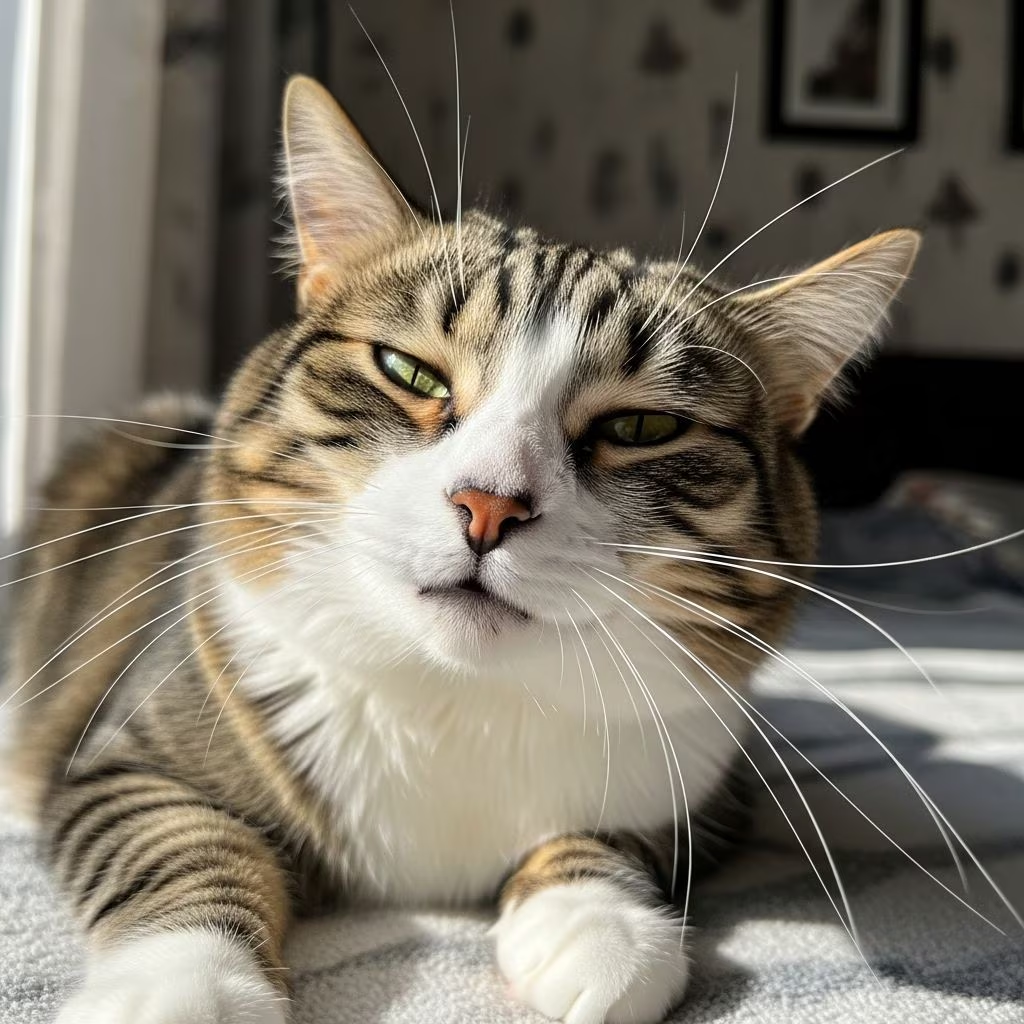
Observing your cat shaking or trembling while purring can be both endearing and concerning. This behavior often stems from the natural mechanics of purring, where intense vibrations from the larynx create a full-body rumble, especially in enthusiastic purrers. However, it may also signal excitement, cold temperatures, fever, or underlying health issues. Understanding these causes helps cat owners distinguish normal quirks from potential problems requiring veterinary attention.
The 4 Main Reasons Why Cats Shake While Purring
Cats shake while purring for several common, usually harmless reasons. These include the physical intensity of purring itself, emotional states, environmental factors, and occasionally health-related shivering. Below, we break down each cause in detail.
1. Intense Purring Vibrations
The most frequent explanation is the sheer power of your cat’s purr. Purring originates from rapid contractions of the laryngeal muscles in the throat, vibrating 25 to 150 times per second as air passes over the vocal cords. In some cats, particularly smaller or more vigorous purrers, this creates noticeable tremors throughout the body, synchronized with the purr’s rhythm—stronger during loud purrs and softer during quieter ones. This full-body vibration is completely normal and no cause for alarm, akin to a deep motor hum you can feel when petting their chest or side.
2. Excitement or Stress
Cats often purr and tremble simultaneously during heightened emotions. Excitement from play, affection, or anticipation releases endorphins, causing slight muscle tremors as tension builds. Conversely, stress or anxiety can trigger self-soothing purring paired with shivering, similar to how humans fidget. Observe body language: dilated pupils, twitching tail, or flattened ears alongside shaking suggest emotional overload rather than contentment. These episodes typically resolve quickly once the stimulus passes.
3. Shivering from Cold
If your home is chilly, your cat might be shivering to generate warmth while purring for comfort. Felines have higher body temperatures (around 101-102°F) than humans, so drafts, cool floors, or winter weather can prompt this dual response. The purring may amplify vibrations to aid thermoregulation. Signs include seeking warm spots, curling up tightly, or cool extremities. Provide cozy beds, blankets, or increase room temperature to help.
4. Fever or Illness
Shaking can indicate fever, where involuntary muscle contractions help maintain elevated body heat to combat infection. Cats with fevers (above 103°F) may purr to self-soothe amid discomfort. Accompanying symptoms like lethargy, reduced appetite, warm ears/nose, vomiting, diarrhea, or discharge warrant immediate vet evaluation. Conditions such as urinary blockages, electrolyte imbalances from dehydration, or pain from injury can also cause tremors during purring.
How Do Cats Purr? The Science Behind the Rumble
Purring is a unique feline trait produced by the larynx (voice box). As cats inhale and exhale, specialized laryngeal muscles and the hyoid bone create steady oscillations at frequencies of 25-150 Hz, generating the continuous rumble without opening the mouth. This differs from meowing, which uses exhaled air alone. Research suggests purring promotes healing: its low-frequency vibrations may stimulate bone growth, reduce pain, and lower stress, explaining why cats purr during injury or labor. Not all felines purr equally; some produce subtle trills, while others deliver powerful, body-shaking rumbles.
- Laryngeal Mechanism: Muscles contract rapidly, vibrating vocal cords.
- Frequency Range: 25-150 Hz, ideal for therapeutic effects.
- Breathing Pattern: Occurs on both inhale and exhale.
- Non-Cat Purrers: Raccoons, civets, and guinea pigs share similar adaptations.
Is Purring Always a Sign of Happiness?
No, purring isn’t exclusively a happiness indicator. While it commonly signals contentment during petting or feeding, cats also purr to self-regulate in distress. Anxious felines purr to calm nerves, injured ones to manage pain, and mothers purr to bond with kittens or during birthing. Contextual clues matter: a relaxed posture, half-closed eyes, and kneading suggest joy; tense muscles, hiding, or aggression indicate discomfort. Overstimulation during petting can lead to purring followed by bites or swats—respect these boundaries to avoid escalation.
When to Worry: Serious Causes of Shaking in Cats
Occasional shaking with purring is benign, but persistent or isolated tremors demand attention. Potential medical triggers include:
- Neurological Issues: Seizures, toxins, or low blood sugar cause rhythmic shaking.
- Pain or Injury: Arthritis, wounds, or ear infections (head shaking with scratching).
- Metabolic Disorders: Hypoglycemia, kidney disease, or hyperthyroidism.
- Infections/Shock: Bacterial/viral illnesses, trauma leading to pale gums, rapid breathing.
Monitor for red flags: shaking without purring, lethargy, appetite loss, vomiting, imbalance, or head-only tremors. Diagnostic steps may involve bloodwork, urinalysis, imaging, or neurological exams. Early intervention improves outcomes for treatable conditions like infections or electrolyte imbalances.
| Symptom | Benign Causes | Concerning Causes |
|---|---|---|
| Shaking + Purring | Intense purr, excitement, cold | Fever, pain, illness |
| Shaking Alone | Dreams, overstimulation | Seizures, toxins, ear issues |
| With Other Signs | Rare | Lethargy, vomiting, imbalance |
How to Help Your Shaking, Purring Cat
Start with environmental tweaks: ensure warmth (68-77°F ideal), reduce stressors via pheromone diffusers or quiet spaces, and engage in gentle play. Track episodes in a journal noting duration, triggers, and symptoms. For persistent issues, consult a vet promptly—don’t rely on home remedies for potential fevers or pain. Routine check-ups catch subtle problems early.
Frequently Asked Questions (FAQs)
Is it normal for my cat to shake while purring?
Yes, often due to strong purring vibrations or excitement. Worry if accompanied by illness signs.
Why does my cat’s whole body vibrate when purring?
Powerful laryngeal contractions create full-body tremors, especially in small or enthusiastic cats.
Can shaking while purring mean my cat is in pain?
Possibly; cats purr to self-soothe during discomfort. Check for other symptoms like hiding or limping.
Should I take my cat to the vet for shivering and purring?
If shivering persists, or with fever, lethargy, or appetite changes, yes—seek professional evaluation.
Do all cats shake when they purr?
No, only vigorous purrers; others have subtler throat vibrations.
Final Thoughts
Your cat shaking while purring is typically a sign of robust contentment or minor triggers like cold or excitement. By observing context and body language, you’ll discern normal from notable. Prioritize veterinary care for any distress signals to keep your feline thriving. With understanding, these quirky moments enhance the joy of cat companionship.
References
- Why Is My Cat Shaking When They Purr? 4 Likely Reasons — Hepper. 2023-10-01. https://articles.hepper.com/why-cat-shakes-when-purring/
- Tremors in Cats: Why Is My Cat Shaking? — PetMD. 2024-05-15. https://www.petmd.com/cat/conditions/neurological/tremors-cats-why-my-cat-shaking
- Why Is My Cat Shaking? A Comprehensive Guide — Tractive. 2023-11-20. https://tractive.com/blog/en/health/why-is-my-cat-shaking
- Why Does My Cat Shake? — Chewy. 2024-02-10. https://www.chewy.com/education/cat/health-and-wellness/why-does-my-cat-shake
- Why Do Cats Vibrate – Purring, Shaking, And Meaning — AWPNow. 2021-10-29. https://www.awpnow.com/main/2021/10/29/why-do-cats-vibrate-purring-shaking-and-meaning/



