

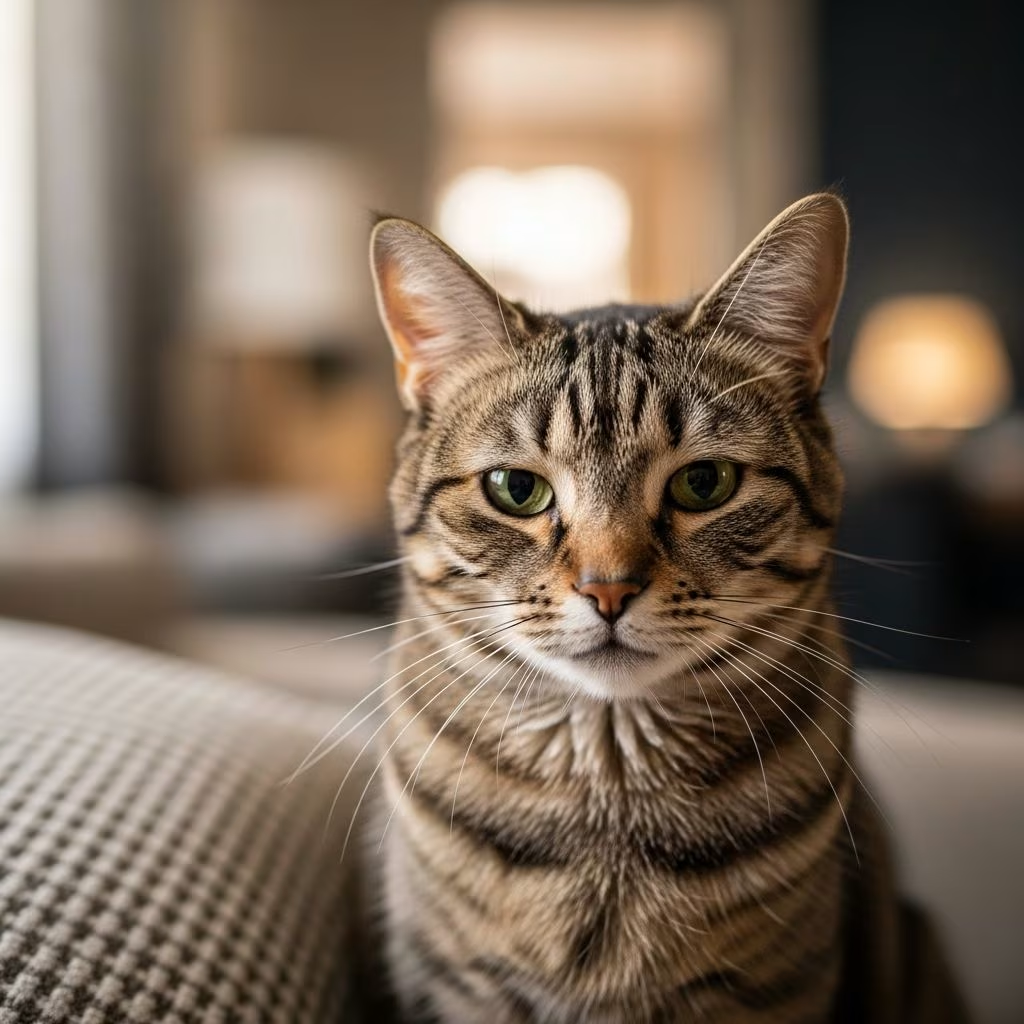
Cats occasionally shake or tremble as part of normal behavior, but persistent or unexplained shaking can signal underlying issues. Understanding the difference between harmless tremors and those requiring veterinary attention is crucial for every cat owner. This guide explores common reasons your cat might be shaking, drawing from veterinary insights on stress, environmental factors, and medical conditions.
Common reasons your cat is shaking
Shaking in cats often stems from their body’s natural responses or external triggers. Here’s a breakdown of the most frequent causes, supported by observations from pet health experts.
Anxiety and stress
Cats are sensitive creatures, and **anxiety or stress** frequently manifests as shaking, hiding, tail flicking, or curling into a tight ball. Common stressors include new environments, unfamiliar people, other pets, loud noises like fireworks, or even changes in routine. For instance, a cat may tremble during a move to a new home or when meeting a new family member. These episodes are typically short-lived and resolve once the stressor is removed. Providing a safe space with familiar scents, hiding spots, and pheromone diffusers can help calm your cat.
Stress-induced shaking is controlled by the nervous system, where emotional triggers cause rapid muscle contractions to release tension. If your cat shakes only in specific situations, observe patterns to identify and mitigate triggers.
Pain or discomfort
Cats are masters at **hiding pain**, but involuntary shaking can betray their discomfort. This may result from injuries, arthritis, urinary tract infections (UTIs), cancer, or internal issues like kidney or liver disease. Look for accompanying signs such as limping, vocalizing when touched, reluctance to jump, or changes in appetite. External injuries might show as bleeding or swelling, while internal pain could cause howling or agitation.
- Arthritis in older cats often leads to tremors during movement.
- Abdominal pain from UTIs or gastrointestinal issues prompts shaking.
- Trauma, whether recent or chronic, triggers muscle tremors as a pain response.
If shaking persists or worsens with touch, veterinary evaluation is essential to rule out serious conditions.
Hypoglycemia
**Hypoglycemia**, or low blood sugar, causes muscle tremors, weakness, disorientation, and even seizures in cats. It’s common in diabetic cats receiving too much insulin, those not eating enough, or severely ill felines. Symptoms include lethargy, stumbling, and pale gums. Prompt feeding or glucose administration can reverse mild cases, but diabetic cats or those with prolonged symptoms need immediate vet care.
Seizures
**Seizures** produce dramatic shaking, ranging from full-body convulsions (grand mal) to localized twitching (focal seizures) in the face or limbs. Causes include epilepsy, brain tumors, toxin exposure, or hypoglycemia. During a seizure, the cat may lose consciousness, salivate excessively, urinate involuntarily, or paddle its legs. Post-seizure, they might appear confused or exhausted. Neurological issues affecting the cerebellum or brainstem often underlie tremors.
Record seizure episodes (duration, symptoms) for your vet, as emergency treatment may be required if they last over five minutes or cluster together.
Cerebellar hypoplasia
**Cerebellar hypoplasia** is a congenital condition where kittens exposed to feline panleukopenia virus in utero develop an underdeveloped cerebellum, impairing balance and coordination. Affected cats exhibit intention tremors—shaking that intensifies during focused tasks like eating or walking—along with a wobbly gait. While incurable, these cats adapt well with supportive care and lead happy lives. Diagnosis involves neurological exams and history review.
Temperature-related shaking
Cats shake to regulate body temperature. In **cold environments**, shivering generates heat, especially in hairless or short-haired breeds prone to hypothermia. Provide warm bedding, heated mats, or sweaters for outdoor cats. Conversely, **hyperthermia** or fever above 102.5°F from infections can cause tremors. Wet fur after baths triggers shaking to dry off and rewarm.
Other medical causes
Additional factors include **kidney disease** (increased urination, weight loss, lethargy), **electrolyte imbalances** (from vomiting, diarrhea, or urinary blockages), **toxin exposure** (tremors from poisons like lilies, antifreeze), and **feline hyperesthesia syndrome** (sudden skin twitching episodes). Potassium deficiency (hypokalemia) leads to muscle weakness mimicking tremors.
When you should see a veterinarian
Not all shaking warrants a vet visit, but uncontrolled or symptomatic tremors do. Seek immediate care if your cat shows:
- Inability to stop shaking or loss of control.
- Unresponsiveness to touch or voice.
- Incontinence (urinating/defecating without control).
- Known toxin exposure, trauma history, or diabetes.
- Accompanying symptoms: lethargy, vomiting, anorexia, difficulty breathing, or behavioral changes.
Observe context: isolated episodes in stressful situations may resolve, but persistent shaking, especially with other signs, indicates urgency. Vets use bloodwork, imaging, and neurological tests for diagnosis.
How to help your shaking cat
While awaiting vet advice:
- Warm a cold cat with blankets or a safe heat source.
- Reduce stress with quiet spaces and Feliway diffusers.
- Offer small, frequent meals for hypoglycemia suspects.
- Never medicate without vet guidance—human drugs can be toxic.
Preventive care like regular check-ups, vaccinations, and a toxin-free home minimizes risks.
Frequently Asked Questions (FAQs)
Is it normal for my cat to shake its head?
Occasional head shaking dislodges debris, but persistent shaking may indicate ear infections, mites, or allergies. Check ears for discharge and consult a vet.
Why does my cat shake its tail?
Tail shaking often signals excitement, irritation, or spraying urine. Context matters—playful vs. aggressive.
My cat shakes when purring—is that bad?
Shaking while purring usually reflects contentment or anticipation, like during petting or mealtime. Monitor if combined with other symptoms.
Can older cats shake more?
Yes, age-related issues like arthritis, kidney disease, or cognitive decline increase tremors in seniors.
What if my cat shakes only its back legs?
Localized tremors suggest pain, neurological issues, or electrolyte problems. Vet evaluation is key.
References
- Understanding Why Cats Shake: Common Causes — Bailey’s CBD. 2023. https://baileyscbd.com/blogs/cat-health/understanding-why-cats-shake-common-causes
- Why Is My Cat Shaking? — MetLife Pet Insurance. 2024-05-15. https://www.metlifepetinsurance.com/blog/pet-health/why-is-my-cat-shaking/
- Why Is My Cat Shaking? Common Causes and When to Worry — Kinship. 2024. https://www.kinship.com/cat-behavior/why-is-my-cat-shaking
- My Cat Keeps Shaking – What Should I Do? — Emergency Veterinary Care Centers. 2023-11-20. https://evcc.com/blog/cat-shaking/
- Tremors in Cats: Why Is My Cat Shaking? — PetMD. 2024-08-10. https://www.petmd.com/cat/conditions/neurological/tremors-cats-why-my-cat-shaking



