

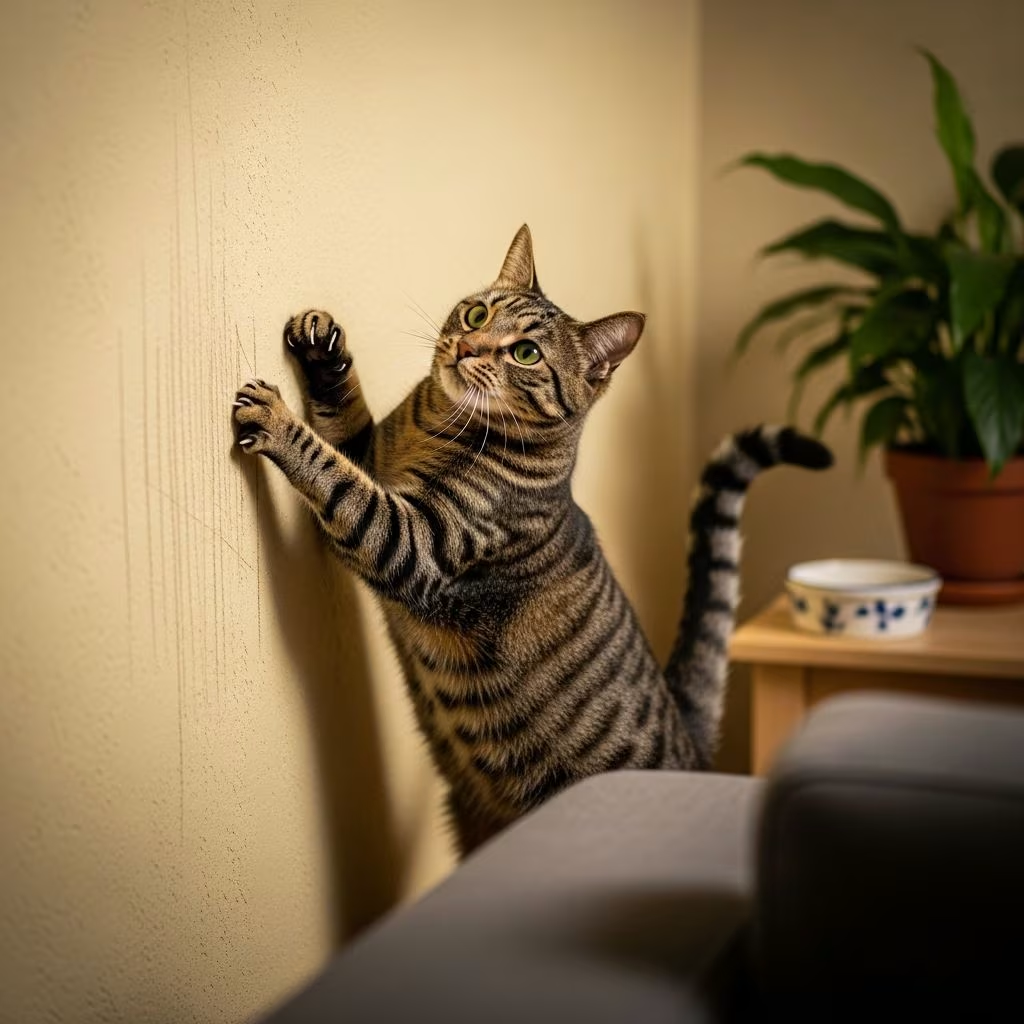
Cats are independent creatures with natural instincts that sometimes clash with home life. Scratching walls is a common issue that frustrates many owners, but it’s rarely random. This behavior serves purposes like nail maintenance, territory marking, or signaling distress. Understanding these motivations helps you address the root cause and protect your walls without punishing your pet.
In this guide, we’ll explore the six primary reasons cats scratch walls, specific scenarios like litter box scratching or nighttime antics, and actionable steps to stop it. By providing alternatives and meeting your cat’s needs, you can redirect this instinct positively.
The 6 Possible Reasons Why Cats Scratch the Walls
Cats scratch walls for instinctual reasons tied to their wild ancestry. Here’s a breakdown of the most likely causes, supported by feline behavior insights.
1. Nail Care
Cats instinctively maintain their claws by scratching to shed the dead outer sheath, revealing sharper nails underneath. This “sharpening” is essential for defense, climbing, and hunting in the wild. Indoor cats without outdoor access turn to walls, furniture, or carpets when suitable surfaces are absent.
Regular nail trimming mimics this process, reducing the urge. Well-kept claws prevent overgrowth, which can cause discomfort and increase scratching frequency. Observe if your cat focuses on vertical surfaces—these allow full extension of claws for effective shedding.
2. Marking Territory
Cats are highly territorial. Scent glands in their paw pads release pheromones when they scratch, claiming spaces as their own. This communicates to other cats (or even household pets) that the area is occupied. Walls, especially corners along pathways, are prime spots for these visible and olfactory markers.
Even single-cat homes see this behavior, as cats mark their entire domain. Multi-cat households amplify it due to competition. Scratching posts treated with catnip can attract scratching away from walls while satisfying this need.
3. Expressing Natural Behavior
Scratching is a core feline activity for stretching muscles, exercising limbs, and promoting circulation. Vertical surfaces like walls provide the perfect angle for full-body stretches, relieving tension after rest or play.
Denying this outlet leads to frustration. Provide tall, sturdy posts matching wall texture (sisal, cardboard, or wood) to fulfill the instinct. Cats prefer varied textures, so experiment to find favorites.
4. Boredom
Bored indoor cats seek stimulation. Scratching walls offers sensory feedback—sound, texture, and visible progress—that entertains. Lack of play, toys, or interaction turns walls into amusement.
Increase daily play sessions with interactive toys like feather wands or laser pointers. Puzzle feeders and window perches combat understimulation, reducing destructive habits.
5. Stressing Out
Cats dislike change and are sensitive to stress from new pets, moves, visitors, or routine shifts. Scratching becomes a displacement behavior to cope with anxiety, similar to excessive grooming.
Signs include hiding, aggression, or litter avoidance. Consult a vet to rule out medical issues; pheromone diffusers like Feliway calm nerves. Consistent routines and safe spaces help.
6. Mice Hiding in the Wall?
Cats’ superior hearing and smell detect rodents humans miss. Scratching targets walls with mice nests, attempting to access prey. Listen for unusual noises or check droppings.
Address infestations promptly with humane traps or professionals. Once resolved, the behavior typically stops.
Specific Cat Wall Scratching Scenarios
Context reveals more. Common situations include:
- Scratching wall corners: High-traffic areas ideal for territory marking via paw scents.
- After pooping: Small litter boxes prevent full digging; upgrade to larger ones with high sides.
- At night: Peak activity time for patrolling, boredom, or learned attention-seeking.
How to Stop Wall Scratching
Stopping requires redirection, not punishment. Here’s a step-by-step plan:
- Trim nails regularly: Blunt claws reduce damage; do it biweekly or use soft caps.
- Provide scratching posts: Place near problem areas. Tall (3+ feet), stable posts with appealing textures work best. Reward use with treats.
- Meet all needs: Ensure clean litter, fresh food, toys, and 15-30 minutes daily play. Enrich environment with shelves or tunnels.
- Use deterrents: Double-sided tape, plastic shields, or citrus sprays on walls. Remove post-training.
- Indirect deterrence: Sharp noises (whistle apps) or water sprays from afar for caught-in-act moments. Avoid direct scolding.
- Vet check: Rule out pain, arthritis, or hyperthyroidism prompting excess scratching.
| Problem Area | Best Solution | Why It Works |
|---|---|---|
| Walls/Corners | Tall sisal post nearby | Mimics texture and height for marking/stretching |
| Litter box wall | Larger box, litter mat | Allows full digging without spillover |
| Nighttime scratching | Evening play + night toys | Exhausts energy, prevents boredom |
Frequently Asked Questions (FAQs)
Why does my cat scratch the wall after using the litter box?
Instinct to bury waste hides scents from predators. If the box is small, they scratch nearby surfaces. Use a spacious box with ample litter.
How do I stop my cat from scratching walls at night?
Play vigorously before bed to tire them. Provide quiet-time toys and ignore attention bids. Consistency retrains habits.
Is wall scratching a sign of stress?
Yes, especially with changes or multi-cat tension. Monitor behavior; use calming aids and vet consult if persistent.
Should I declaw my cat to stop scratching?
No. Declawing is painful, risky surgery removing the last bone in toes. Redirect naturally—it’s inhumane and illegal in many places.
What scratching post is best for wall scratchers?
Tall, vertical posts (sisal or corrugated cardboard) near walls. Test textures; multi-level options suit stretchers.
Reader Experiences
Owners report success: “My cat ignored posts until I added catnip—walls are safe now!” Another: “Litter upgrade ended post-poop scratches.” Patience yields results.
References
- Why Is My Cat Scratching the Walls? 6 Likely Reasons — Catster. 2023. https://www.catster.com/cat-behavior/why-is-my-cat-scratching-the-walls/
- Why Does My Cat Scratch the Wall? — Kinship. 2024. https://www.kinship.com/cat-behavior/why-does-my-cat-scratch-the-wall
- How to Stop Cats Scratching or Clawing in the House — Blue Cross. 2023-10-01. https://www.bluecross.org.uk/advice/cat/behaviour-and-training/how-to-stop-cats-scratching-or-clawing-in-the-house
- Destructive Scratching – Prevention and Solutions — PAWS. 2024. https://www.paws.org/resources/destructive-scratching/
- Cat Scratches Wall of Litter Box: Causes, Solutions, and Prevention — UAH Pet. 2024. https://www.uahpet.com/blogs/post/cat-scratches-wall-of-litter-box-causes-solutions-and-prevention



