

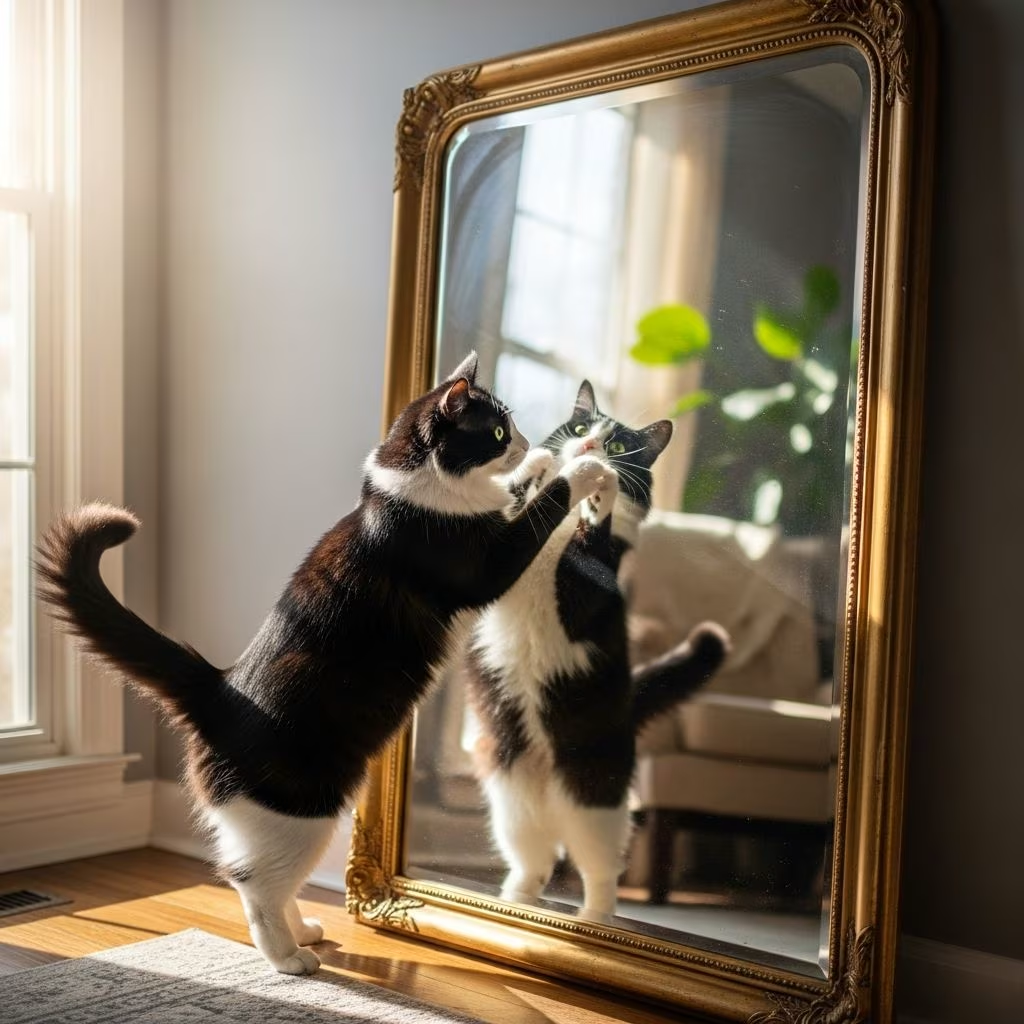
Cats scratching mirrors is a common yet puzzling behavior for many pet owners. This action often stems from their inability to recognize their own reflection, mistaking it for an intruder, or simply as a way to mark territory using scent glands in their paws. Understanding the underlying causes can help you address the issue effectively and prevent potential stress or damage.
Reasons Why Cats Scratch Mirrors
Cats interact with mirrors in various ways due to their unique sensory world. Unlike humans, cats rely more on scent and movement than visual cues for identification, leading to confusion with reflections. Here are the primary reasons:
- Territorial Defense: Your cat perceives the reflection as another feline intruder in their space, prompting defensive scratching to assert dominance or drive it away.
- Scent Marking: Paws contain scent glands; scratching deposits pheromones to claim the mirror as their territory.
- Playfulness or Curiosity: Especially in kittens, the moving image sparks playful pouncing or batting, even if they can’t catch it.
- Boredom or Stimulation Seeking: Indoor cats may turn to mirrors for entertainment when lacking mental or physical outlets.
- Attention-Seeking: If owners react strongly, cats learn this behavior garners interaction, positive or negative.
Context matters: aggressive scratching suggests threat perception, while gentle pawing indicates curiosity.
Does Your Cat Recognize Itself in the Mirror?
Most cats do not recognize their reflection as themselves. They lack self-awareness in mirrors, a trait seen in only a few species like humans, dolphins, and great apes. Cats respond based on instinct: the silent, scentless ‘other cat’ confuses them, triggering territorial or aggressive responses. Kittens often outgrow intense reactions as they habituate, but adults may persist if the mirror is in a high-stimulation area.
Is Mirror Scratching Normal?
Occasional mirror scratching is normal feline behavior, akin to scratching furniture or posts for claw maintenance and marking. It becomes problematic if obsessive, causing paw injuries, chronic stress, or property damage. Watch for escalation: repeated daily sessions, vocalizing, or pairing with other anxiety signs like hiding or appetite loss.
| Behavior Type | Indication | Normal or Concerning? |
|---|---|---|
| Gentle pawing | Curiosity/Play | Normal |
| Aggressive swatting/hissing | Territorial threat | Normal if occasional |
| Obsessive repetition | Stress/Habit | Concerning |
| Self-injury | Frustration | Concerning – Vet needed |
This table summarizes common patterns based on observed feline responses.
When Mirror Scratching Is a Problem
Problems arise when scratching leads to harm: broken claws, bleeding paw pads, or unrelenting stress from the ‘unresponsive intruder.’ Environmental factors amplify it—mirrors near windows mix real outdoor cats with reflections, heightening confusion. Chronic cases may signal underlying issues like anxiety disorders or medical conditions affecting vision.
How to Stop Your Cat from Scratching the Mirror
Redirecting this behavior requires environmental tweaks and positive reinforcement. Avoid punishment, as it increases stress. Proven strategies include:
- Cover the Mirror: Use a blanket, towel, or opaque film to block the reflection temporarily.
- Provide Alternatives: Place scratching posts or pads nearby with catnip to entice use.
- Increase Stimulation: Offer interactive toys, puzzle feeders, and daily play sessions to combat boredom.
- Trim Nails Regularly: Keeps claws blunt, reducing damage potential.
- Reposition or Remove: Move the mirror to a low-traffic area or store it until habit fades.
For attention-seeking, ignore the behavior and reward calm moments with treats or affection.
The Role of Environmental Triggers
Your home setup influences this habit. Full-length or wall mirrors provoke stronger reactions than small ones. Placement near food bowls, beds, or windows—where outdoor cats are visible—intensifies responses. Dim lighting at night, when cats are crepuscular (active at dawn/dusk), makes reflections more eerie, boosting scratching.
Is Mirror Scratching Harmful?
Generally harmless in moderation, but risks include paw injuries, mirror damage, and stress-related issues like over-grooming or elimination problems. Persistent exposure to the confusing stimulus can elevate cortisol levels, mimicking chronic anxiety.
When to Seek Professional Help
Consult a vet or certified behaviorist if:
- Behavior is daily and obsessive.
- Accompanied by aggression toward family/pets.
- Causes visible injuries.
- Sudden onset or with symptoms like lethargy/appetite loss.
- Pairs with other odd behaviors (e.g., excessive meowing, hiding).
Vets rule out health issues; behaviorists craft desensitization plans.
Frequently Asked Questions (FAQs)
Why does my cat only scratch the mirror at night?
Cats are crepuscular, most active at dawn and dusk. Nighttime low light makes reflections ghostly, and household quiet heightens focus on them.
Can I train my cat to stop scratching the mirror?
Yes, through redirection, covering, and enrichment. Positive reinforcement on posts works better than scolding.
Do all cats react to mirrors the same way?
No—temperament, age, and experiences vary responses from ignoring to aggression or play.
Will covering the mirror stress my cat?
Typically reduces stress by removing the trigger. Pair with scratching alternatives to avoid frustration.
Could mirror scratching indicate OCD in cats?
Rarely, if trance-like or self-harming. Vets diagnose compulsive disorders alongside other signs.
Final Thoughts
Mirror scratching reflects cats’ rich instincts: territory, play, or unmet needs. Most cases resolve with simple changes like covering and enrichment, fostering a happier home. Observe context, intervene early, and consult pros for persistence—your cat’s well-being hinges on understanding these quirks.
References
- Why Cats Scratch at Mirrors: Behavior Explained — Alibaba Cat Lovers. Accessed 2026. https://catlovers.alibaba.com/question/why-does-my-cat-scratch-at-the-mirror
- Why Does My Cat Scratch The Mirror? — RexiPets. Accessed 2026. https://rexipets.com/blogs/the-latest/why-does-my-cat-scratch-the-mirror
- Why Is My Cat Scratching the Mirror? Possible Causes & Vet Advice — Catster. Accessed 2026. https://www.catster.com/cat-behavior/why-is-my-cat-scratching-the-mirror/



