

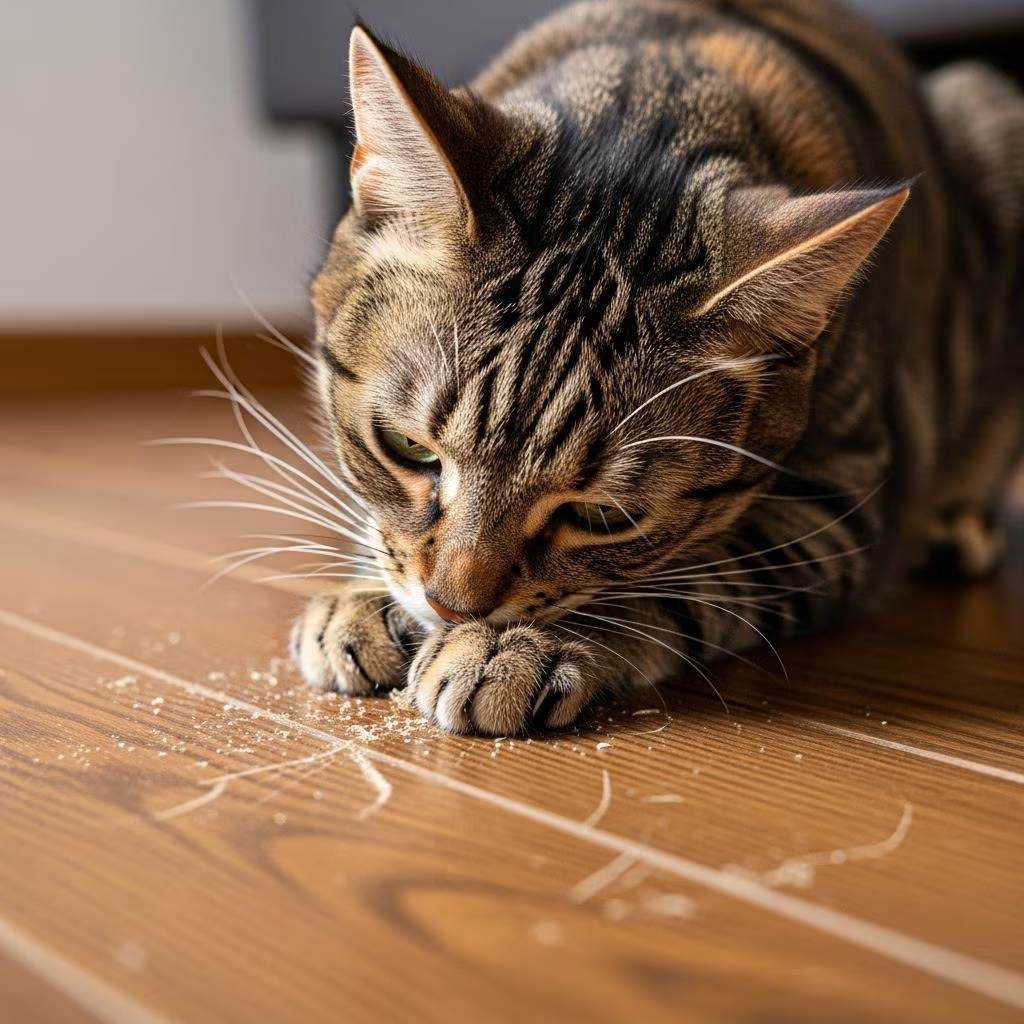
Cats scratching the floor is a common and often puzzling behavior for pet owners. This instinctive action serves multiple purposes in a cat’s natural repertoire, from maintaining claw health to communicating with their environment. Understanding the motivations behind floor scratching allows owners to address it effectively without punishing the cat, as scratching is an essential feline behavior.
Why Do Cats Scratch the Floor?
Cats scratch surfaces, including floors, for several instinctual reasons rooted in their wild ancestry. Primarily, scratching helps cats shed the outer layers of their claws, exposing sharper tips underneath. This process keeps their claws conditioned and ready for hunting, climbing, or defense. When cats scratch the floor, they may be targeting soft carpets, rugs, or even hardwood to achieve this claw maintenance.
- Claw Maintenance: Scratching removes frayed, worn outer claws, revealing new, sharper ones beneath. This is crucial for a cat’s physical health and mobility.
- Territory Marking: Cats possess scent glands in their paw pads. Scratching deposits pheromones onto surfaces, signaling ownership to other cats. Floor scratching often occurs in high-traffic areas to reinforce territorial boundaries.
- Stretching and Exercise: The motion stretches a cat’s muscles, flexes their paws, and provides a full-body workout, relieving tension after rest.
- Stress Relief and Communication: Scratching can alleviate anxiety or boredom. It also serves as a visual signal, with claw marks warning other cats to stay away.
- Boredom or Excess Energy: Insufficient stimulation leads cats to scratch floors as an outlet for pent-up energy.
These behaviors mimic wild cats sharpening claws on trees, explaining why domestic cats adapt to household floors.
Is Floor Scratching Normal Cat Behavior?
Absolutely, floor scratching is a normal and healthy feline instinct. Unlike dogs, cats do not have retractable claws that self-maintain; regular scratching is necessary for claw health. Suppressing this behavior entirely can lead to overgrown claws, discomfort, or redirected aggression. Cornell University’s Feline Health Center emphasizes that scratching is innate, like grooming or burying waste, and should be redirected rather than stopped.
Observing patterns helps: if scratching increases suddenly, it may indicate stress from changes like new pets or moves. In multi-cat homes, floor scratching often marks shared spaces.
How to Stop Your Cat from Scratching the Floor
Stopping floor scratching requires redirection, not punishment. Punishment fosters fear and worsens issues, as noted by veterinary behavior experts. Instead, provide alternatives and modify the environment.
Provide Appropriate Scratching Options
Offer posts matching your cat’s preferences. Place them near scratched floors initially, then relocate gradually.
- Tall, sturdy vertical posts for full stretches.
- Horizontal or slanted pads mimicking rugs.
- Varied textures: sisal rope, corrugated cardboard, natural wood, or carpet (loop-free).
Attract with catnip sprays or toys. Reward use with treats or praise. Alley Cat Allies recommends multiple options in key locations.
Use Humane Deterrents
Protect floors without harm. Cover scratched areas temporarily.
| Deterrent Type | How It Works | Examples |
|---|---|---|
| Surface Covers | Makes floor unappealing | Double-sided tape, aluminum foil, plastic mats |
| Scents | Repels via smell | Citrus sprays, menthol |
| Motion Devices | Startles gently | Air puffers or noise emitters |
Always pair with approved scratching spots to redirect, not suppress.
Trim Your Cat’s Claws Regularly
Regular trims reduce damage and scratching urge. Use sharp clippers to cut just the tip, avoiding the quick (pink part). Trim every 10-14 days. If unsure, consult a vet. This complements posts effectively.
Enrich Your Cat’s Environment
Address root causes like boredom.
- Interactive toys, puzzle feeders, and daily play sessions (15-30 minutes).
- Vertical spaces: cat trees, shelves.
- Pheromone diffusers for stress.
Animal Humane Society stresses enrichment prevents destructive habits.
Consider Nail Caps
Soft, plastic caps (e.g., Soft Paws) cover claws, minimizing damage. Reapply every 4-6 weeks. Fun colors add appeal, but discontinue if cat shows distress.
Common Mistakes to Avoid When Dealing with Cat Scratching
Owners often err in ways that exacerbate problems.
- Punishment: Yelling, spraying water, or hitting causes fear, aggression, or litter box avoidance. ASPCA advises against it.
- Declawing: Surgical removal is painful, risky, and alters behavior. Humane societies strongly discourage it.
- Ignoring Preferences: One post type won’t suffice; observe and match textures/locations.
- Removing Worn Posts: Ragged posts indicate success; replace gradually.
- Neglecting Health Checks: Sudden increases may signal pain or illness; vet visit essential.
When to See a Vet or Behaviorist
If redirection fails, consult professionals. Signs include:
- Scratching despite multiple posts and enrichment.
- Sudden onset with litter avoidance or aggression.
- Targeting new areas post-household changes.
Underlying issues like anxiety, pain, or hyperthyroidism may contribute. A behaviorist can assess via Certified Applied Animal Behaviorists.
Frequently Asked Questions (FAQs)
Why does my cat scratch the floor at night?
Nighttime scratching often stems from excess energy or nocturnal instincts. Increase daytime play and provide night toys.
Will my kitten outgrow floor scratching?
Kittens scratch more due to teething and exploration, but training early ensures lifelong good habits.
Can multiple cats share scratching posts?
Provide one per cat plus extras to prevent competition and marking conflicts.
What if my cat ignores scratching posts?
Experiment with textures, locations, and attractants. Rub with tuna or place food near post.
Is scratching a sign of stress in cats?
Yes, increased scratching can indicate anxiety from changes. Use calming aids and enrich environment.
References
- 6 Ways to Redirect Your Cat’s Scratching Behavior — Alley Cat Allies. 2023. https://www.alleycat.org/community-cat-care/cat-behavior-scratching/
- Feline Behavior Problems: Destructive Behavior — Cornell University College of Veterinary Medicine. 2024-01-15. https://www.vet.cornell.edu/departments-centers-and-institutes/cornell-feline-health-center/health-information/feline-health-topics/feline-behavior-problems-destructive-behavior
- Destructive Scratching — ASPCA. 2023-05-20. https://www.aspca.org/pet-care/cat-care/common-cat-behavior-issues/destructive-scratching
- Managing Scratching Behavior in Cats — Animal Humane Society. 2024. https://www.animalhumanesociety.org/resource/managing-scratching-behavior-cats
- Cat Behavior Problems: Scratching Behavior — Arch Animal Hospital West (Veterinary Source). 2023-11-10. https://archanimalhospitalwest.com/cat-behavior-problems-scratching-behavior/



