

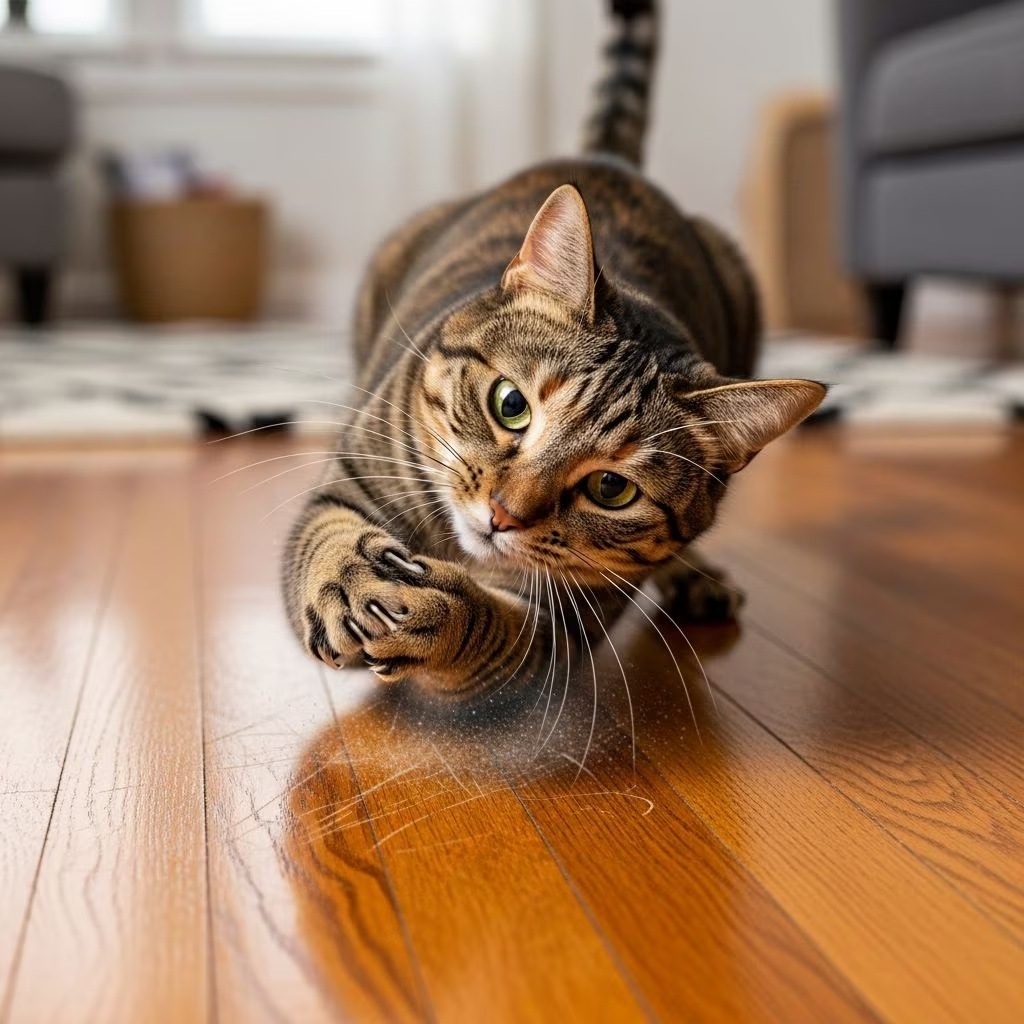
Cats scratching the floor is a common and frustrating behavior for many pet owners. This instinctive action serves multiple purposes, from maintaining claw health to communicating with their environment. Understanding the motivations helps in addressing it effectively without punishing the cat, as scratching is a natural feline need.
Why Do Cats Scratch the Floor?
Cats scratch surfaces, including floors, for several biological and behavioral reasons. Primarily, it sharpens and conditions their claws by removing the outer, frayed layers to reveal sharper ones underneath. This process is essential for their physical health, mimicking how wild cats use trees.
Another key reason is territory marking. Cats have scent glands in their paw pads that release pheromones when they scratch, leaving both visual claw marks and chemical signals to claim space and communicate with other cats.
Scratching also provides stress relief and exercise. It allows cats to stretch their muscles, flex their paws, and release pent-up energy or anxiety. Boredom or lack of stimulation can lead to increased floor scratching as an outlet for frustration.
Finally, floor scratching may indicate preferences for horizontal surfaces. Some cats prefer flat, carpeted, or textured floors over vertical posts, especially if they mimic pulling motions on rugs or blankets.
Is Floor Scratching Normal Cat Behavior?
Yes, scratching in general—and even specifically on floors—is completely normal for cats. It’s not destructiveness but an innate behavior observed in both domestic and feral cats. Suppressing it entirely can lead to stress, while redirection preserves the cat’s well-being and protects your home.
Observing patterns helps: if your cat scratches floors after meals, during play, or near doors, it ties to energy release, routine, or frustration. Changes like new pets, moves, or altered schedules can intensify it due to anxiety.
How to Stop Your Cat from Scratching the Floor
Stopping floor scratching involves redirection, not punishment. Provide appealing alternatives, make forbidden areas unappealing, and enrich their environment. Consistency and positive reinforcement are key to success.
Provide Scratching Posts and Alternatives
Offer a variety of scratching options to match your cat’s preferences. Place sturdy, tall vertical posts covered in sisal rope, cardboard, or carpet near problem areas like living room floors.
- Vertical posts: For cats that stretch upward; position next to floors they target.
- Horizontal scratchers: Flat cardboard or sisal mats mimic floor textures perfectly.
- Varied textures: Sisal, corrugated cardboard, natural wood—experiment to find favorites.
Attract them with catnip sprays, toys, or treats on the posts. Reward use with praise and play. Gradually move posts to preferred locations once adopted.
Use Humane Deterrents
Make floors less inviting without harm. Cover scratched areas with double-sided tape, aluminum foil, or plastic runners (knobby side up)—cats dislike these textures.
- Citrus or menthol scents: Spray lightly; most cats avoid these smells.
- Motion-activated deterrents: Air puffs or sounds startle without pain.
- Odor neutralizers: Remove scent marks to break the re-scratching cycle.
Always pair deterrents with approved scratchers nearby to redirect, not suppress.
Trim Your Cat’s Claws Regularly
Regular claw trims reduce damage and may lessen scratching urge. Use sharp guillotine-style clippers to cut just the tip, avoiding the quick (pink part with blood vessels).
Steps for safe trimming:
- Gently press paw to extend claws.
- Clip translucent tip only.
- Do one paw daily to avoid stress; reward heavily.
- If unsure, consult a vet or groomer.
Trim every 2-4 weeks depending on growth.
Enrich Your Cat’s Environment
Boredom fuels scratching, so increase stimulation. Provide toys, puzzle feeders, and daily play sessions (15-30 minutes) to burn energy.
- Interactive toys: Wand toys, laser pointers for chasing.
- Vertical space: Cat trees, shelves for climbing.
- Play areas: Boxes, tunnels to explore.
For stress, use pheromone diffusers like Feliway to calm and reduce anxiety-driven scratching.
Consider Nail Caps
Nail caps are plastic covers glued over claws, blunting damage without altering behavior. They last 4-6 weeks and come in colors for fun.
Application tips:
- Trim claws first.
- Apply with pet-safe glue; one paw at a time.
- Monitor for distress—if any, remove and skip.
Not a permanent fix but great during training.
When to See a Vet About Scratching
Sudden or excessive floor scratching warrants a vet check. It could signal pain (e.g., arthritis making posts hard to reach), skin issues, or stress from medical problems.
Red flags:
- Increased frequency despite interventions.
- Scratching new areas or objects.
- Accompanied by litter box issues, aggression, or hiding.
A vet rules out health issues; they may refer to a behaviorist for anxiety or frustration cases.
Frequently Asked Questions (FAQs)
Why does my cat scratch the floor before sleeping?
This kneading-like scratching prepares a comfy nest, mimicking kitten nursing or wild bed-making. Provide soft blankets nearby.
Will declawing stop floor scratching?
No—declawing is painful, risky surgery removing claw joints, not recommended. It causes lifelong issues like pain and litter avoidance. Redirect instead.
How long until my cat uses a scratching post?
1-4 weeks with consistency. Reward early use; if ignored, try different textures or locations.
Is scratching the floor a sign of stress?
Often yes, especially with changes. Increase play and use calming aids.
Can multiple cats share scratching posts?
Provide one per cat plus extras to avoid competition. Place in different rooms.
Table: Best Scratching Surfaces Comparison
| Surface Type | Pros | Cons | Best For |
|---|---|---|---|
| Sisal Rope | Durable, natural feel | May fray over time | Vertical posts |
| Corrugated Cardboard | Cheap, replaceable, horizontal | Wears quickly | Floor lovers |
| Carpet | Familiar texture | Loop-free only; sheds | Transitioning cats |
| Natural Wood | Realistic tree bark | Expensive | Active scratchers |
Choose based on your cat’s observed preferences for optimal redirection.
References
- 6 Ways to Redirect Your Cat’s Scratching Behavior — Alley Cat Allies. 2023. https://www.alleycat.org/community-cat-care/cat-behavior-scratching/
- Pet Behavior: How to Stop Your Cat from Scratching Furniture — Urbana Veterinary Clinic. 2024-05-15. https://www.urbanavc.com/blog/pet-behavior-how-to-stop-your-cat-from-scratching-furniture
- Feline Behavior Problems: Destructive Behavior — Cornell University College of Veterinary Medicine. 2023-08-10. https://www.vet.cornell.edu/departments-centers-and-institutes/cornell-feline-health-center/health-information/feline-health-topics/feline-behavior-problems-destructive-behavior
- Cat Behavior Problems: Scratching Behavior — Arch Animal Hospital West. 2024. https://archanimalhospitalwest.com/cat-behavior-problems-scratching-behavior/
- Destructive Scratching — ASPCA. 2023-11-20. https://www.aspca.org/pet-care/cat-care/common-cat-behavior-issues/destructive-scratching
- Dealing with Cat Scratching Behaviors — PRC Kansas City. 2024-02-01. https://prckc.org/blog/dealing-cat-scratching-behaviors/



