

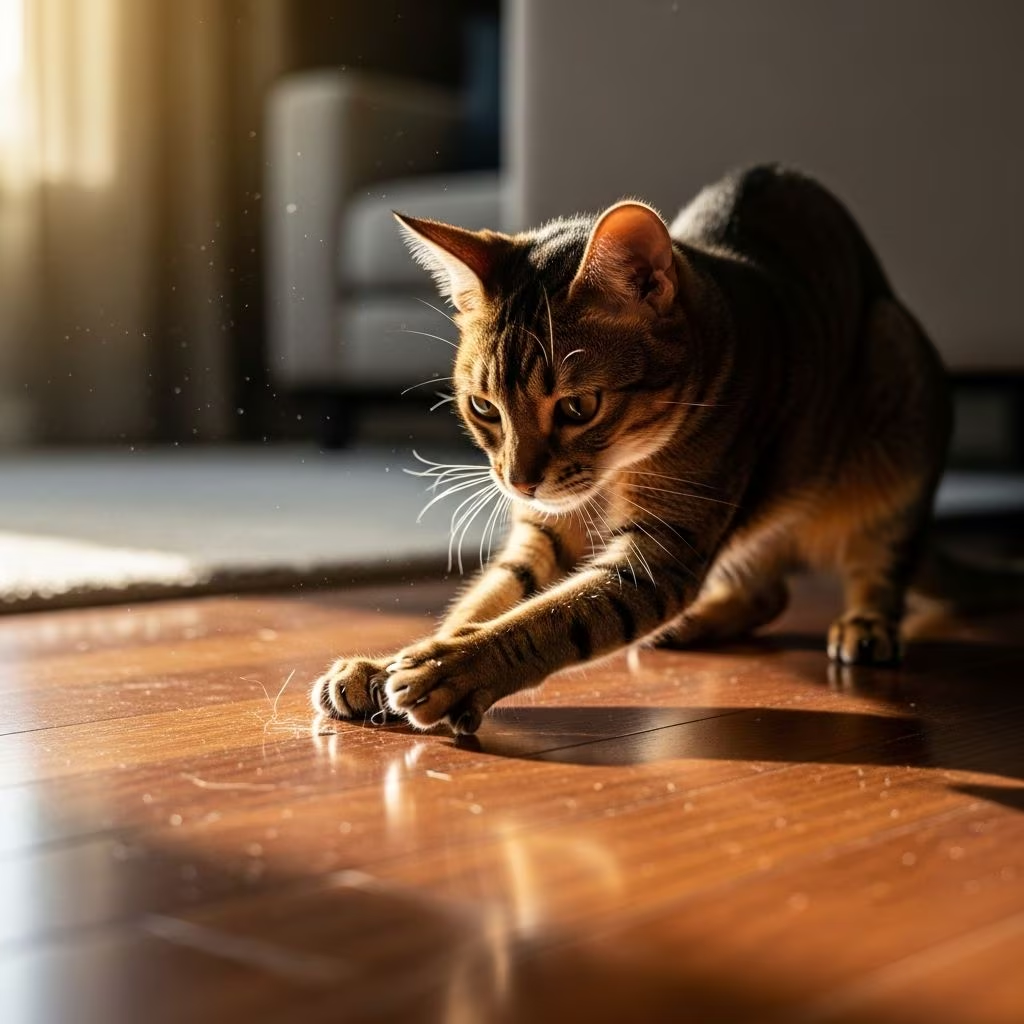
Cats scratching the floor is a common and frustrating behavior for many pet owners. This natural feline instinct serves multiple purposes, from maintaining claw health to communicating territory. Understanding the motivations helps in redirecting it effectively without punishment, preserving your cat’s well-being and your home’s integrity.
Why Do Cats Scratch the Floor?
Cats scratch surfaces, including floors, as an essential part of their daily routine. This behavior fulfills several biological and behavioral needs that are hardwired into felines.
- Claw Maintenance: Scratching removes the dead outer layers of a cat’s claws, exposing sharper ones underneath. This keeps claws conditioned and functional for climbing, hunting, and self-defense.
- Territory Marking: Cats have scent glands in their paw pads. When they scratch, they deposit pheromones alongside visible claw marks, signaling ownership to other cats.
- Stretching and Exercise: The motion stretches muscles in the paws, legs, and back, promoting physical health and flexibility.
- Stress Relief and Communication: Scratching relieves anxiety or frustration, acting as a stress outlet. It can also serve as a visual threat display to other cats.
- Boredom or Energy Release: Understimulated cats may scratch floors for entertainment or to burn excess energy, especially if lacking play opportunities.
Floor scratching often targets areas near furniture or high-traffic zones because they already carry familiar scents, encouraging repeated behavior.
Is Floor Scratching Normal Cat Behavior?
Yes, scratching—including on floors—is completely normal and instinctive for all cats, indoor or outdoor. Wild cats scratch trees for the same reasons, and domestic cats adapt this to available surfaces. Suppressing it entirely can lead to stress or health issues, so the goal is redirection, not elimination.
Observe patterns: Frequent floor scratching near doors might indicate frustration over access, while sudden increases could signal stress from household changes.
Why Does My Cat Scratch the Floor Before Sleeping or Eating?
Cats often scratch floors before sleeping or eating as a ritualistic behavior linked to instinct. In the wild, this ‘pre-bed scratching’ prepares a safe den by marking and checking for scents. Before eating, it may reinforce territory around food sources. This pre-sleep routine also stretches the body, signaling relaxation.
Why Is My Cat Suddenly Scratching the Floor More?
Sudden increases in floor scratching warrant attention. Common triggers include:
- Environmental Changes: New pets, people, or rearranged furniture can heighten anxiety, prompting more marking.
- Boredom or Lack of Stimulation: Insufficient play leads to destructive outlets.
- Medical Issues: Pain, skin conditions, or parasites may intensify scratching; consult a vet if accompanied by other symptoms.
- Frustration: Blocked access to desired areas like windows or outdoors.
If scratching persists despite interventions, rule out underlying issues with a professional.
How Do I Stop My Cat From Scratching the Floor?
Stopping unwanted scratching requires positive redirection. Punishment harms trust and worsens issues, especially stress-related ones. Instead, provide alternatives and manage the environment.
1. Provide Appropriate Scratching Posts
Offer posts mimicking preferred textures and positions. Place them where scratching occurs, like near the floor spots.
- Tall, sturdy vertical posts for full stretches.
- Horizontal or slanted options for floor-like scratching.
- Materials: sisal rope, cardboard, wood—not loop carpet.
Attract with catnip, toys, or food rewards. Reward use with treats and praise.
2. Use Humane Deterrents
Protect floors without harm:
- Double-sided tape, aluminum foil, or plastic mats on scratched areas.
- Citrus or menthol scents cats dislike.
- Motion-activated air puffers for gentle startles.
Always pair with approved scratching zones.
3. Trim Your Cat’s Claws Regularly
Regular trims reduce damage and need to scratch. Use sharp clippers to cut just the tip, avoiding the quick. Trim every 2-4 weeks; seek vet help if needed.
4. Apply Nail Caps
Soft, colored plastic caps blunt claws safely. Reapply every 4-6 weeks. Ideal for multi-cat homes or while training.
5. Increase Play and Enrichment
Daily interactive play (15-30 minutes) with toys like wands or balls burns energy, reducing boredom scratching.
- Rotate toys for novelty.
- Provide puzzle feeders and climbing trees.
- Ensure litter box cleanliness and quiet retreats to lower stress.
6. Clean Scented Areas
Use enzymatic cleaners to remove pheromones from floors, breaking the re-scratch cycle.
Common Mistakes When Dealing with Cat Floor Scratching
Avoid these pitfalls:
- Punishment: Yelling, spraying water, or hitting increases fear and aggression.
- Discarding Worn Posts: Ragged posts indicate success—replace only when ignored.
- Inadequate Options: One post isn’t enough; match your cat’s preferences.
- Ignoring Underlying Causes: Address stress or health before assuming naughtiness.
Frequently Asked Questions (FAQs)
Why does my cat scratch the floor at night?
Nighttime scratching often ties to energy release or pre-sleep rituals. Increase evening play and provide night-accessible posts.
Will declawing stop floor scratching?
No—declawing is amputation causing lifelong pain and behavioral issues. It’s banned in many places; redirection is humane.
How do I choose the right scratching post?
Observe preferences: vertical/horizontal, textures like sisal. Ensure stability and height for full stretch.
Can stress cause excessive floor scratching?
Yes, anxiety from changes prompts marking. Use pheromone diffusers and vet check for relief.
Do all cats scratch floors?
Most do, varying by individual. Kittens scratch more playfully; seniors may due to arthritis—check with vet.
Table: Scratching Post Comparison
| Type | Best For | Materials | Pros | Cons |
|---|---|---|---|---|
| Vertical Post | Stretching/Marking | Sisal, Wood | Tall, stable | Takes space |
| Horizontal Pad | Floor Scratching | Cardboard | Compact, cheap | Wears quickly |
| Slanted Scratcher | Varied Preferences | Rope | Versatile | May tip |
Word count: 1728 (excluding HTML tags).
References
- 6 Ways to Redirect Your Cat’s Scratching Behavior — Alley Cat Allies. 2023. https://www.alleycat.org/community-cat-care/cat-behavior-scratching/
- Pet Behavior: How to Stop Your Cat from Scratching Furniture — Urbana Veterinary Clinic. 2024-05-15. https://www.urbanavc.com/blog/pet-behavior-how-to-stop-your-cat-from-scratching-furniture
- Feline Behavior Problems: Destructive Behavior — Cornell University College of Veterinary Medicine. 2023-08-10. https://www.vet.cornell.edu/departments-centers-and-institutes/cornell-feline-health-center/health-information/feline-health-topics/feline-behavior-problems-destructive-behavior
- Cat Behavior Problems: Scratching Behavior — Arch Animal Hospital West. 2024. https://archanimalhospitalwest.com/cat-behavior-problems-scratching-behavior/
- Dealing with Cat Scratching Behaviors — PRC Kansas City. 2023-11-20. https://prckc.org/blog/dealing-cat-scratching-behaviors/
- Destructive Scratching — ASPCA. 2024-02-01. https://www.aspca.org/pet-care/cat-care/common-cat-behavior-issues/destructive-scratching
- Destructive Scratching – Prevention and Solutions — PAWS. 2023. https://www.paws.org/resources/destructive-scratching/



