

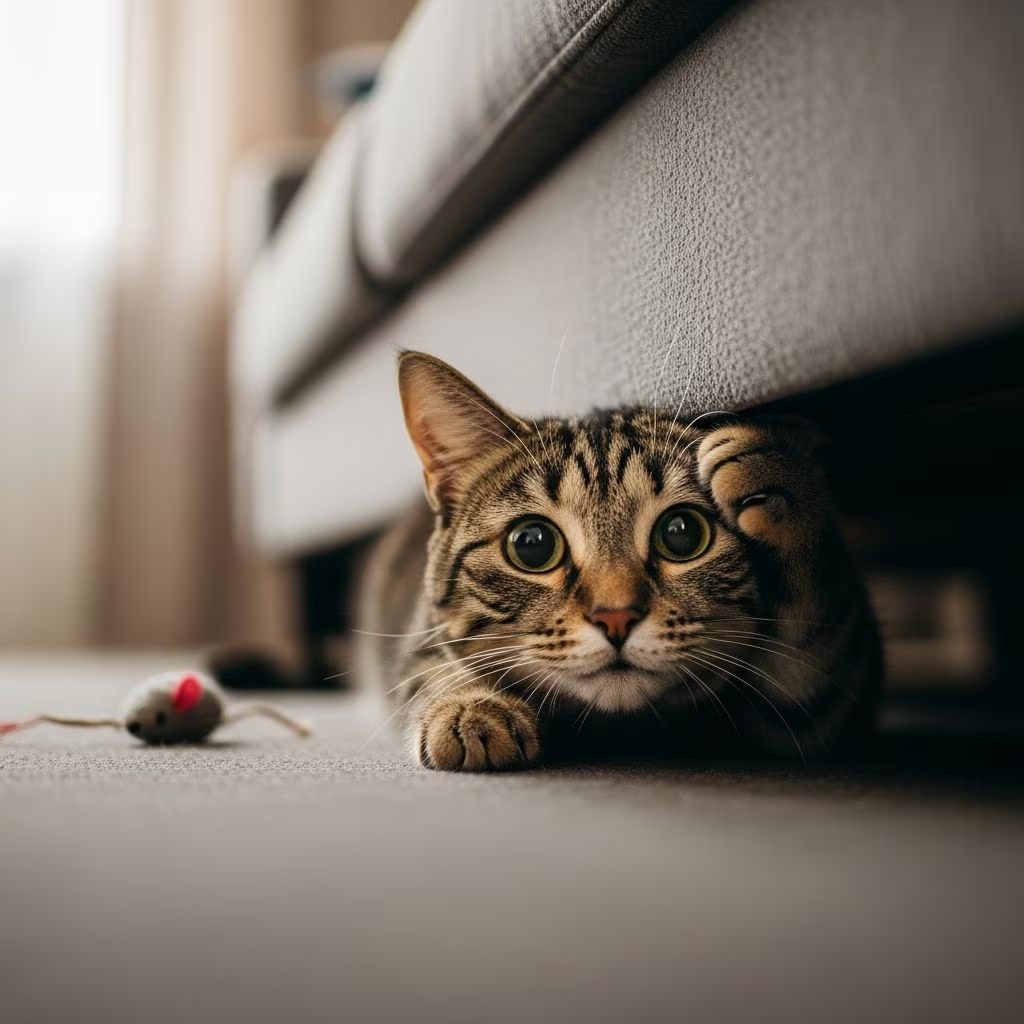
Why Is My Cat Scared All of a Sudden?
If your once-confident feline has suddenly become a “scaredy-cat,” you’re likely concerned about what’s changed. Cats can exhibit dramatic shifts in behavior for numerous reasons, ranging from medical issues to environmental stressors. Understanding the root cause is essential for helping your pet regain confidence and security. This comprehensive guide explores the common triggers behind sudden fear in cats and provides practical solutions to ease your pet’s anxiety.
Understanding Feline Fear and Anxiety
Fear is a normal instinctive response to a perceived threat, while anxiety represents nervousness or worry triggered when a cat anticipates danger or a threatening situation. These emotional responses often coexist in cats and can result in similar unwanted behaviors. The key difference is that fear is typically triggered by an immediate stimulus, whereas anxiety is anticipatory—your cat worries about something that might happen.
Even cats that were previously confident and outgoing can suddenly transform into fearful animals. This abrupt behavioral change can be deeply concerning for pet owners who don’t understand what’s causing it. Recognizing that change is the first step toward addressing the underlying problem.
Signs Your Cat Is Afraid
Recognizing the signs of fear in your cat is crucial for early intervention. Cats display fear and anxiety through both obvious and subtle behavioral cues:
- Hiding or freezing in one spot
- Excessive vocalization (meowing more than usual)
- Having accidents outside their litter box
- Frequent movement such as pacing or running, and general restlessness
- Change in appetite (eating less or not eating)
- Trembling or shaking
- Expelling anal gland fluid
- Excessive grooming as a self-soothing behavior
- Increased pupil dilation
- Uncharacteristic aggression or defensive behaviors
- Avoiding eye contact and holding their tail close to their body
- Ears pinned back or to the side
- Low, crouched, or tucked body posture
Some cats may also display flight, fight, freeze, or fidget responses when frightened. Understanding these signals helps you identify when your cat is experiencing fear and take appropriate action.
Common Causes of Sudden Fear in Cats
Sudden behavioral changes in cats rarely occur without reason. Several primary factors can trigger unexpected fear responses in your feline companion:
1. Illness or Injury
One of the most important considerations when your cat suddenly becomes fearful is their physical health. Cats that are feeling sick or injured may hide from you or exhibit behavioral problems as a way of coping with discomfort. Pain and illness can cause a cat to suddenly become fearful due to increased anxiety from their symptoms.
Signs of pain or illness to watch for include lethargy, reduced appetite, difficulty jumping or climbing, restless behavior, excessive vocalization (especially when touched), sudden hiding, excessive grooming in specific locations, lack of grooming, difficulty using the litter box, unusual gait, and changes in eye appearance. Any sudden behavioral change could indicate illness and should be taken seriously by consulting with your veterinarian.
2. Environmental and Lifestyle Changes
Cats are creatures of habit and can be extremely sensitive to changes in their environment. Significant life events can trigger sudden fear responses, even in typically confident cats. Common environmental changes that cause anxiety include:
- Moving to a new house
- The loss of a loved one (human or animal)
- Introducing a new pet to the household
- Introducing a new family member or roommate
- Someone leaving the home for an extended period
Most cats eventually bounce back and become more confident once they’ve adjusted to these changes. However, if unusual behavior persists, veterinary consultation is recommended.
3. Separation Anxiety
Although cats have a reputation for being independent, some experience anxiety when their owners are away. This is especially true when there’s a dramatic change in an owner’s schedule—for example, transitioning from working at home to on-site employment. Such changes can worsen a cat’s separation anxiety and cause destructive behaviors or litter box accidents.
4. Post-Traumatic Stress Disorder (PTSD)
Cats can develop fear responses to events from their past. For instance, if your cat was attacked by a dog as a kitten without your knowledge, bringing home a new puppy could trigger unexpected PTSD and fear responses. These traumatic experiences can cause lasting behavioral changes and heightened sensitivity to similar situations. Cats that have been abandoned, mistreated, or had negative experiences at the veterinary clinic may develop fear-based behaviors and be more prone to hiding or reacting aggressively.
5. Sensory Sensitivities
Cats have sensitive hearing, and loud noises such as fireworks, thunderstorms, or vacuum cleaners can be frightening. Quick or sudden movements can also startle cats and trigger fear responses. Some cats are particularly sensitive to movement; even minor movements like someone standing up can spook these animals and cause undue stress. An exaggerated startle response can develop as part of a cat’s personality, from earlier traumatic experiences, or from insufficient exposure to certain stimuli during kittenhood.
6. Inadequate Socialization
By nature, some cats are shy and skittish, especially those not properly socialized during critical developmental periods. Kittens not handled until they were 10 weeks or older are more likely to grow up with a fear of people. Cats not properly socialized between 2 and 12 weeks of age have an increased likelihood of developing fear and anxiety-related behaviors throughout their lives.
Early influencing factors that make cats more likely to display fearful aggression include genetics, insufficient socialization, lack of adequate maternal care, inadequate early handling, and fear-evoking or traumatic early experiences.
7. Owner Anxiety and Stress
Your emotional state directly affects your cat. If you’re upset or anxious, your cat is likely to feel and mirror your anxiety, which can magnify their fears. Cats are intuitive animals that pick up on their owner’s emotional energy, so maintaining a calm and reassuring demeanor is essential when your pet is frightened.
Genetic and Behavioral Factors
Some cats have a genetic predisposition toward anxiety and fearfulness. These cats may be naturally more cautious and reactive to environmental stimuli. Additionally, the behavior and health of the mother cat can influence a kitten’s temperament and anxiety levels. Chronic anxiety is more common in cats than many owners realize and can be caused by genetics, past negative experiences, or a combination of both.
How to Help Your Frightened Cat
If your cat has suddenly become fearful, several strategies can help reduce anxiety and rebuild confidence:
Stay Calm and Reassuring
When your cat is frightened, maintaining a calm demeanor is crucial. Your pet can sense your anxiety, which will only amplify their fears. Speak in soft, soothing tones and provide a safe, quiet space where your cat can retreat. Avoid forcing interaction or trying to coax your cat out of hiding, as this can increase stress.
Create a Safe Space
Provide a designated safe area where your cat can hide and feel secure. This might be a quiet bedroom, a closet with comfortable bedding, or a cat cave bed. Ensure this space has access to food, water, and a litter box so your cat doesn’t need to venture out when frightened.
Use Desensitization Techniques
In some situations, you can gradually get your cat used to being around events or stimuli that cause anxiety. For example, if your cat is afraid of the vacuum cleaner, start by leaving it in a room where your cat can see it without it being turned on, then gradually introduce the sound at lower volumes over time. This slow exposure helps cats become less reactive to triggering stimuli.
Consult Your Veterinarian
Any sudden behavioral change should prompt a veterinary consultation to rule out medical issues. Your vet can examine your cat for pain, illness, or other health concerns that might be causing the fearful behavior. They may also recommend anxiety medication or supplements to help your cat feel more comfortable during the transition period.
Maintain Routine
Keeping a consistent daily routine helps anxious cats feel more secure. Feed your cat at the same times, maintain regular play sessions (when your cat is ready), and provide predictable interactions. This stability helps rebuild confidence.
When to Seek Professional Help
While some fear and anxiety in cats is normal, persistent fearful behavior warrants professional intervention. Contact your veterinarian if:
- Your cat’s fearful behavior persists for more than a few weeks
- The fear is affecting your cat’s eating, litter box use, or health
- Your cat is displaying aggressive behavior
- You suspect your cat may be in pain or ill
- The anxiety is severe or worsening
Your veterinarian may refer you to a feline behavior specialist or veterinary behaviorist who can develop a personalized treatment plan for your cat’s specific situation.
Understanding Fear-Based Aggression
It’s important to note that fear in cats can sometimes manifest as aggression. Some cats display aggression to increase distance from perceived threats. This fear-related aggression occurs when a cat has learned to associate people or situations with unpleasant experiences. Cats often display defensive body language during fear-based aggression, including ears back, crouched posture, and tensed muscles. Understanding that aggression stems from fear rather than dominance helps owners respond with patience and appropriate behavioral modification strategies.
Frequently Asked Questions
Q: How long does it take for a cat to recover from sudden fear?
A: Recovery time varies depending on the cause. Environmental changes may take several weeks to months as your cat adjusts. Medical issues require addressing the underlying condition first. Traumatic experiences may require ongoing behavioral modification and sometimes medication.
Q: Should I try to comfort my scared cat?
A: You can offer calm, reassuring presence, but avoid forcing interaction. Let your cat approach you at their own pace. Forcing comfort can sometimes increase anxiety. Instead, maintain a calm demeanor and provide a safe space.
Q: Can anxiety medication help my fearful cat?
A: Yes, your veterinarian may recommend anti-anxiety medication or supplements to help manage your cat’s fear while you work on underlying causes through behavior modification and environmental adjustments.
Q: Is sudden fear a sign that my cat has been abused?
A: Sudden fear can indicate past trauma, including abuse, but it can also stem from medical issues, environmental changes, or other stressors. A veterinary evaluation is necessary to determine the cause.
Q: Will my cat’s personality change if they become fearful?
A: With proper support, veterinary care, and patience, most cats can recover from sudden fear and regain their confidence. The timeline depends on the underlying cause and your cat’s individual temperament.
Conclusion
Sudden fear in cats is a sign that something has changed in their world or health, and addressing it promptly is essential for their wellbeing. By understanding the common causes—from medical issues to environmental changes—and responding with patience, calm reassurance, and professional support when needed, you can help your frightened feline regain confidence and security. Remember that each cat responds differently to stressors, so what works for one cat may not work for another. Working closely with your veterinarian and remaining observant of your cat’s behavior will guide you toward the most effective solution for your specific situation.
References
- Why Is My Cat Acting Scared All of the Sudden — Figo Pet Insurance. 2024. https://figopetinsurance.com/blog/why-my-cat-suddenly-acting-so-scared
- Why is My Cat Scared of Everything? — MountainView Animal Clinic. 2024. https://mvavets.com/blog/why-is-my-cat-scared-of-everything/
- Fear in Cats: How to Calm Stress and Create Security — Lanoka Oaks. 2025. https://lanokaoaks.com/2025/11/27/fear-in-cats-solutions/
- Why Is My Cat Scared of Movement? — Best Friends Animal Society. 2024. https://bestfriends.org/pet-care-resources/why-my-cat-scared-movement
- Behavior Problems of Cats — Merck Veterinary Manual. 2024. https://www.merckvetmanual.com/behavior/behavior-of-cats/behavior-problems-of-cats
- What Are Cats Afraid Of? 10 Common Cat Fears and Anxieties — PetMD. 2024. https://www.petmd.com/cat/general-health/what-are-cats-afraid-of
- Shy and Fearful Cats: The Complete Guide — San Diego Humane Society. 2024. https://sdhumane.org/resources/shy-and-fearful-cats-complete/
- The Fearful Cat — PAWS. 2024. https://www.paws.org/resources/fearful-cat/



