

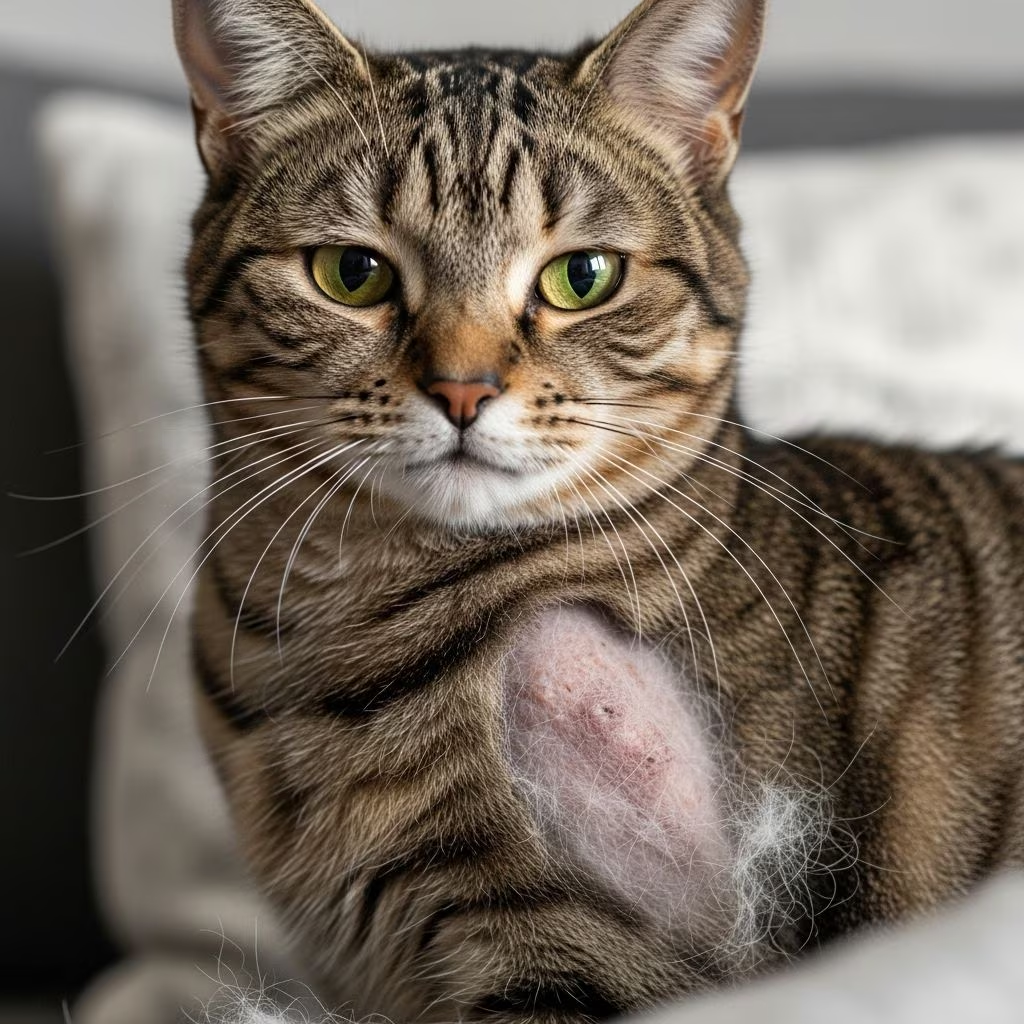
Why Is My Cat Pulling Their Hair Out?
Noticing your beloved feline companion pulling out their fur can be distressing for any cat owner. This behavior, often accompanied by noticeable bald spots, thinning hair, or skin irritation, is a signal that something requires your attention. Hair pulling in cats, known as overgrooming, can stem from either medical conditions or emotional distress, and identifying the underlying cause is essential for effective treatment and management.
Whether your cat is excessively licking, chewing, or plucking their fur, this concerning behavior shouldn’t be ignored. The good news is that with proper veterinary guidance and understanding of potential triggers, most cases of feline hair pulling can be successfully addressed.
Medical Reasons Why Your Cat Is Pulling Out Its Fur
Many cat owners are surprised to learn that a significant number of cases involving fur pulling actually have a physical, medical cause. In fact, medical conditions such as infections, allergies, or genetic factors are often at the root of fur pulling in cats. Your veterinarian will investigate these medical possibilities first, as ruling out physical health issues is the critical first step in diagnosis.
Skin Conditions That Trigger Fur Pulling
Parasites, Especially Fleas
Parasites represent the most common culprit behind itchy skin and subsequent overgrooming. Even if you don’t see fleas crawling around on your cat’s skin, a single flea bite and flea saliva can trigger intense itching in sensitive cats. This hypersensitivity reaction can cause your cat to pull out significant amounts of fur in an attempt to relieve the discomfort.
Fleas can also transmit tapeworms, which carry potential health implications for your entire family. Your veterinarian will likely check for “flea dirt” (tiny black specks that are actually flea feces) or recommend a prescription-strength flea preventive to address this issue. Thorough flea treatment for all pets in your household and environmental treatment is essential to eliminate fleas and prevent recurring skin problems.
Mites and Other Parasitic Infections
Beyond fleas, other parasites like mites can cause severe itching. Cheyletiella mites, often called “walking dandruff,” hide deep in your cat’s fur and irritate the skin, leading to scratching, licking, or fur pulling. These parasitic infections require prompt veterinary treatment to prevent secondary complications.
Allergies
Just like people, your cat can suffer from food allergies (reactions to specific dietary ingredients) or environmental allergies (caused by environmental allergens such as pollen, dust mites, or airborne irritants). These allergies create intense itchiness, prompting your cat to lick and pull their fur in search of relief.
Environmental triggers such as cleaning products, perfumes, and seasonal allergens can all contribute to allergic reactions. Diagnosing allergies often requires dietary trials, such as feeding a hypoallergenic diet, or specific allergy testing to identify the exact triggers causing your cat’s discomfort.
Skin Infections
Constant licking breaks down your cat’s natural skin barrier, making them vulnerable to secondary bacterial or fungal infections, which further irritate the skin and perpetuate the overgrooming cycle. Fungal infections like ringworm or yeast overgrowth can create extremely itchy, inflamed skin. Bacterial infections may also complicate the condition and require additional diagnostic tests and antibiotic treatment.
Systemic Diseases Affecting Your Cat’s Coat
While less common than parasitic or allergic causes, certain internal diseases can manifest as coat changes that lead to fur pulling. Conditions like hyperthyroidism (particularly common in older cats), hormonal imbalances that disrupt normal skin and coat health, or gastrointestinal discomfort from inflammatory bowel disease might prompt excessive grooming behaviors.
In some cases, Cushing’s disease (hyperadrenocorticism) may be a factor, and diagnosis may require specific blood and urine tests to identify this underlying condition. Complete physical examinations and blood tests prove so crucial in reaching an accurate diagnosis and ruling out these systemic issues.
Pain or Discomfort
Sometimes, hair pulling is a direct response to pain. Cats may over-groom a specific area that’s causing them discomfort, such as a joint affected by arthritis or a spot where they’ve had surgery. This targeted overgrooming serves as a self-soothing behavior for your cat’s pain. If you notice your cat repeatedly grooming the same area, discuss potential pain sources with your veterinarian.
Behavioral and Emotional Causes of Hair Pulling
Beyond medical issues, behavioral and emotional factors play a significant role in feline hair pulling. Psychogenic alopecia, or stress-induced overgrooming, represents a compulsive grooming disorder that can develop when cats experience emotional distress or anxiety.
Stress and Anxiety
Cats are sensitive creatures, and environmental changes can trigger significant stress and anxiety. Common stress triggers include:
- Changes in environment (new home, furniture, new pet, or people)
- Routine disruptions to feeding or play schedules
- Inter-cat conflict within the household
- Loud noises and sudden sounds
- Introduction of a new pet or changes in the human family dynamic
- A new baby or new person in the household
- The presence of other cats outside (seen through doors or windows)
Moving to a new home, introducing a new pet, or rearranging furniture can drive over-grooming. Repetitive grooming helps your cat to soothe herself during difficult times. Cats may also become stressed by environmental changes and may even feed off your own stress levels, creating a feedback loop of anxiety and compulsive behavior.
Boredom and Lack of Environmental Enrichment
Indoor cats without sufficient stimulation or vertical territory may develop overgrooming as a response to boredom. It’s thought that licking releases endorphins that help relieve anxiety, so when a stressed or bored cat finds relief through licking, it can turn into a compulsive habit.
Providing adequate environmental enrichment, vertical spaces for climbing, interactive toys, and regular play sessions can help prevent stress-related overgrooming.
Changes in Routine or Household Dynamics
Any disruption to your cat’s daily routine can trigger stress and subsequent hair pulling. This includes:
- Change in diet or feeding schedule
- Change in location of litter pans
- Changes in the amount or quality of attention from the owner
- Poor relationships with other cats or pets in the household
- Being confined or having reduced access to favorite areas
Diagnostic Steps Your Veterinarian Will Take
When you bring your cat to the veterinarian for hair pulling concerns, expect a thorough diagnostic process. Your veterinarian will perform a complete and thorough physical examination to help determine the cause of the overgrooming.
Diagnostic tools and tests may include:
- Skin scrapings to check for mites
- Fungal cultures to rule out ringworm or yeast infections
- Allergy panels to identify specific allergens
- Blood tests to screen for hormonal imbalances or systemic diseases
- Urine tests to check kidney and thyroid function
- Assessment of your cat’s behavior and home environment
Treatment Options for Cat Hair Pulling
Treatment approaches depend entirely on the underlying cause of your cat’s hair pulling behavior. Your veterinarian may recommend a combination of medical and behavioral interventions.
Medical Treatments
For parasitic infections, parasiticides will be prescribed to eliminate fleas, mites, or other parasites. For allergies, your veterinarian may recommend hypoallergenic food trials or prescribe antihistamines or anti-inflammatory medications. Secondary skin infections often require antibiotics or antifungal treatments to heal the damaged skin barrier.
For systemic diseases like hyperthyroidism or Cushing’s disease, appropriate medications or treatments will be prescribed to manage the underlying condition and reduce the secondary symptom of overgrooming.
Behavioral and Environmental Management
For stress-related overgrooming, treatment focuses on reducing anxiety and providing environmental enrichment. Strategies include:
- Maintaining consistent daily routines for feeding and play
- Providing multiple vertical spaces and hiding spots
- Using pheromone diffusers like Feliway to reduce anxiety
- Increasing interactive play and mental stimulation
- Creating calm zones where your cat can retreat
- Regular grooming to reduce triggers and build trust
- Calming supplements or medications as recommended by your vet
Pain Management
If pain is the underlying cause, your veterinarian may recommend pain management strategies such as anti-inflammatory medications, joint supplements, or other pain relief options appropriate for your cat’s specific condition.
Frequently Asked Questions
Q: How can I tell if my cat’s hair pulling is medical or behavioral?
A: It’s difficult to distinguish without professional help. Medical causes like parasites or allergies typically affect specific body areas and are accompanied by visible skin changes. Behavioral overgrooming from stress often affects the belly, thighs, and front legs but can occur anywhere. Your veterinarian should conduct a full physical examination and diagnostic tests to rule out medical causes first.
Q: Is psychogenic alopecia curable?
A: Psychogenic alopecia is treatable and manageable with patience and the right approach. Combining environmental enrichment, stress reduction, behavioral modification, and sometimes anti-anxiety medications can significantly improve the condition. Success depends on identifying and removing stress triggers while providing appropriate environmental support.
Q: Can food allergies cause hair pulling?
A: Yes, food allergies can absolutely trigger hair pulling in cats. Common food allergens include specific protein sources, grains, and additives. Your veterinarian may recommend an elimination diet using hypoallergenic food to identify the culprit.
Q: What should I do if I notice my cat pulling hair out?
A: Schedule a veterinary appointment as soon as possible. Your vet will conduct a thorough examination and recommend appropriate diagnostic tests. In the meantime, avoid punishing your cat, as this increases stress and can worsen the behavior. Keep your cat’s environment calm and consistent.
Q: Are certain cat breeds more prone to hair pulling?
A: While any cat can develop overgrooming, cats with high-strung or anxious personalities may be more susceptible to psychogenic alopecia. Some breeds may also be predisposed to specific allergies or skin conditions, so discuss your cat’s breed characteristics with your veterinarian.
Q: How long does treatment for hair pulling usually take?
A: Recovery time varies depending on the cause and severity. Parasitic infections may resolve within weeks of proper treatment. Allergies require ongoing management. Behavioral cases typically improve over several weeks to months with consistent environmental changes and stress reduction efforts.
Prevention Tips for Cat Hair Pulling
While not all cases of hair pulling can be prevented, several proactive measures can reduce the risk:
- Maintain regular flea and parasite prevention year-round as directed by your veterinarian
- Keep a consistent daily routine for feeding, play, and litter box maintenance
- Provide adequate environmental enrichment including climbing structures, toys, and window perches
- Minimize household stress and gradually introduce changes to your cat’s environment
- Schedule regular veterinary check-ups to catch health issues early
- Groom your cat regularly to monitor skin condition and reduce stress
- Feed a high-quality diet appropriate for your cat’s age and health status
- Provide multiple resources like litter boxes, water bowls, and feeding stations in multi-cat households
When to Contact Your Veterinarian Immediately
Seek immediate veterinary attention if your cat shows:
- Large areas of hair loss or bald patches
- Bleeding or open sores from overgrooming
- Signs of infection such as redness, swelling, or discharge
- Sudden onset of severe overgrooming
- Hair pulling accompanied by other symptoms like vomiting, lethargy, or weight changes
Conclusion
If your cat is pulling out their hair, remember that this behavior is their way of communicating distress, whether physical or emotional. With proper veterinary diagnosis and a comprehensive treatment approach addressing the underlying cause, most cases of feline hair pulling can be successfully managed. Stay patient, follow your veterinarian’s recommendations, and provide your cat with a calm, enriching environment. Your dedication to understanding and addressing your cat’s needs will help restore their health and happiness.
References
- Why Is My Cat Ripping Her Fur Out? Vet Answers & Solutions — Stylla Care. 2024. https://styllacare.com/blogs/cat/why-is-my-cat-ripping-her-fur-out
- Why Is My Cat Pulling Out Her Fur — The Refined Feline. 2024. https://www.therefinedfeline.com/my-cats-pulling-their-hair-out-what-do-i-do/
- Why Is My Cat Pulling Her Hair Out — Baileybrush. 2024. https://baileybrush.com/blogs/bailey-blog/why-is-my-cat-pulling-her-hair-out
- Understanding Cat Over-Grooming: Causes And Solutions For Hair Pulling and Itching — Tristate Veterinary. 2024. https://tristatevet.com/blog/understanding-cat-over-grooming-causes-and-solutions-for-hair-pulling-and-itching/
- Why Cats Overgroom and How You Can Stop It — PetMD. 2024. https://www.petmd.com/cat/general-health/how-tell-if-your-cat-over-grooming
- Cat Pulling Hair Out: Causes & Treatment — Cats.com. 2024. https://cats.com/cat-pulling-hair-out
- Cats Under Pressure: The Genetic Origins of Excessive Grooming — Tufts Now. August 24, 2012. https://now.tufts.edu/2012/08/24/cats-under-pressure



