

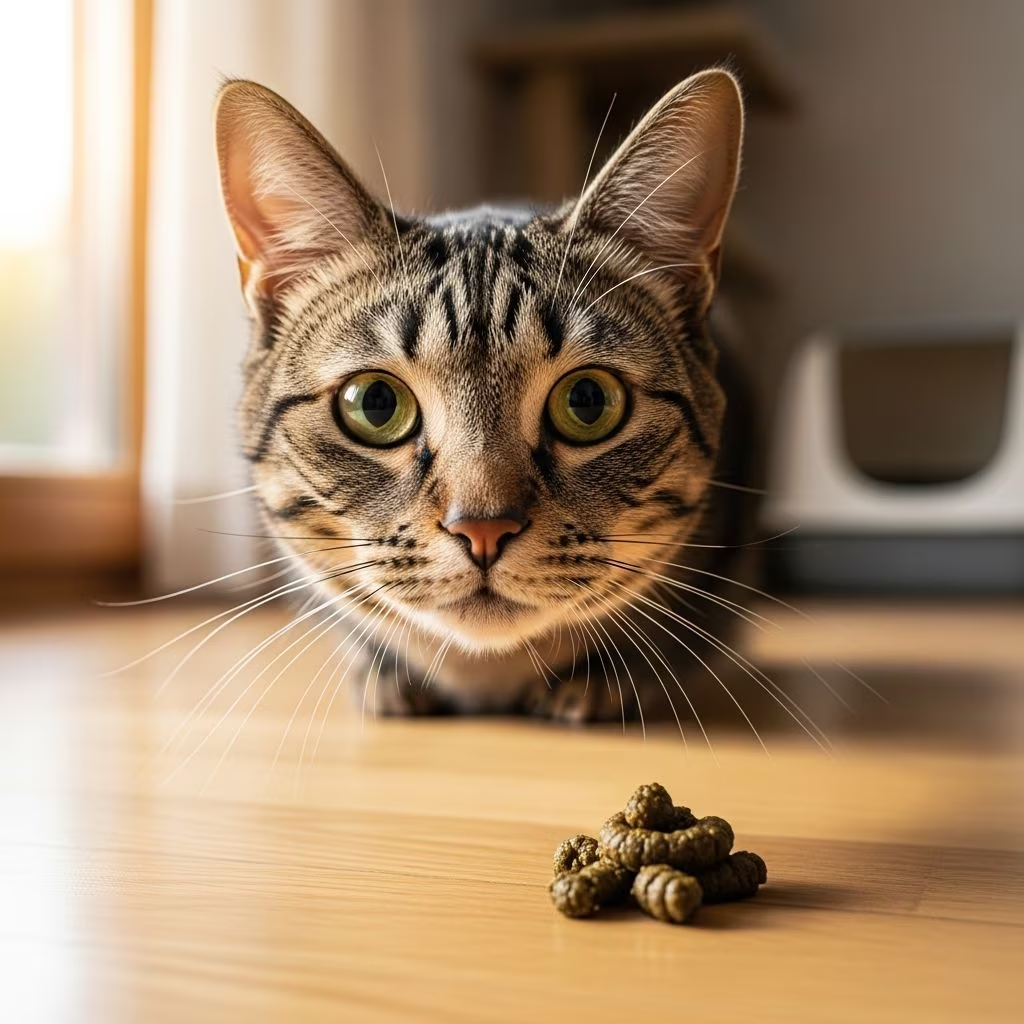
Why Is My Cat Pooping on the Floor?
Discovering that your cat has been pooping on the floor instead of using their litter box is frustrating and confusing. Most cat owners assume this behavior is a sign of a behavioral problem, but the reality is more nuanced. There are numerous reasons why cats choose to eliminate outside the litter box, ranging from medical issues to environmental factors. Understanding the underlying causes is the first step toward resolving this common pet problem and restoring harmony in your home.
House soiling is one of the most frequently reported behavior problems among cat owners, and it’s important to recognize that this is not a sign of spite or laziness. Cats are generally clean animals that prefer to use designated areas for elimination. When they deviate from this natural behavior, something is genuinely wrong—whether it’s physical discomfort, stress, or dissatisfaction with their litter box setup.
Medical Issues That Cause Floor Pooping
One of the primary reasons your cat might be pooping on the floor is due to underlying medical conditions. Many cats with health problems will avoid the litter box because they associate it with pain or discomfort. Identifying and treating these medical issues is essential for your cat’s wellbeing and for resolving the elimination problem.
Digestive tract problems are particularly common culprits. Conditions like constipation, diarrhea, and inflammatory bowel disease can make defecation painful or uncomfortable for your cat. When a cat experiences pain while using the litter box, they may develop an aversion to that location and seek alternative spots around your home. Similarly, parasites can cause gastrointestinal distress, leading to inappropriate elimination.
Other medical conditions can also contribute to floor pooping. Kidney and thyroid diseases, as well as diabetes mellitus, often cause cats to urinate and defecate more frequently. This increased urgency can make it difficult for your cat to reach the litter box in time. Additionally, age-related diseases that affect mobility or cognitive function may prevent your cat from accessing the box or remembering where it is located.
If you suspect a medical issue, it’s crucial to schedule an appointment with your veterinarian. Bring a fresh poop sample if possible, as your vet may want to test it for intestinal parasites. Your veterinarian can perform a thorough examination and recommend appropriate treatment to resolve the underlying health problem and, consequently, the elimination issue.
Stress and Anxiety
Cats are sensitive creatures that can experience significant stress and anxiety in response to changes in their environment or routine. When stressed, cats may resort to pooping outside the litter box as a way to cope with their emotional distress or to mark territory. Understanding what stresses your cat is essential for addressing this behavioral issue.
Common sources of stress for cats include:
- Introduction of a new pet to the household
- Moving to a new home or significant changes in their living space
- Changes in their owner’s routine or work schedule
- Loud noises, such as construction or fireworks
- Presence of other animals, particularly outdoor cats visible through windows
- Lack of mental stimulation and enrichment activities
If your cat is experiencing stress or anxiety, there are several strategies you can employ to help them feel more secure. Creating a calm environment with safe spaces where your cat can retreat is important. Additionally, over-the-counter pheromone products or calming treats can help your cat adjust and minimize stress. These products mimic natural calming pheromones that cats produce and can significantly reduce anxiety-related behaviors.
Providing adequate enrichment through interactive toys, puzzle feeders, and lick mats can also help alleviate boredom and stress. Ensure your cat has dedicated playtime and mental stimulation throughout the day to keep them engaged and content.
Dirty Litter Box Issues
Just like humans, cats have preferences when it comes to their bathrooms. Most cats are naturally clean and do not want to use a dirty litter box. If the litter box hasn’t been scooped recently, your cat may decide to find a cleaner alternative—your floor.
If the litter box is too dirty, cats may stop using it to poop until the box has been cleaned and enough litter has been added. The frequency of scooping matters greatly. A good rule of thumb is to scoop the litter box daily, removing both urine clumps and feces. For multi-cat households, you may need to scoop even more frequently.
Beyond daily scooping, the litter box itself should be thoroughly cleaned on a regular basis. Replace all the litter and wash the box with mild soap and water once or twice a month. This removes accumulated odors and bacteria that can deter your cat from using the box. For those willing to invest in modern solutions, self-cleaning litter boxes can help maintain cleanliness and reduce the burden on cat owners.
Litter Box Location and Accessibility
The location of the litter box plays a significant role in whether your cat will use it consistently. Many cat owners place litter boxes in convenient spots for themselves rather than considering what would be ideal for their cat. This can lead to litter box avoidance and floor elimination.
Several factors influence the ideal litter box location:
- Privacy: Cats prefer to eliminate in private areas away from foot traffic and prying eyes
- Distance from food and water: Place the litter box away from your cat’s eating and drinking areas
- Accessibility: The box should be easy to reach, especially for older cats or those with mobility issues
- Quiet environment: Avoid placing the litter box in noisy or high-traffic areas that might make your cat feel unsafe
- Temperature considerations: Keep the box away from heating vents, air conditioning units, and direct sunlight
If you frequently move the litter box, your cat may struggle to locate it consistently. Cats thrive on routine and predictability. Once you’ve found an ideal location, try to keep the box there permanently. However, if you do need to relocate it, move it gradually in small increments so your cat can adjust.
The number of litter boxes you have is also important. A general rule is to have one litter box per cat, plus one extra. This ensures that all cats have adequate access and reduces territorial conflicts that might lead to elimination outside the box.
Litter Box Type and Litter Preferences
Not all cats like the same type of litter box or litter material. Some cats are particular about their preferences, and using the wrong type can lead to floor elimination. Understanding your cat’s preferences can help resolve this issue.
Many cats prefer open litter boxes rather than covered ones. Covered boxes can trap odors and make cats feel confined or unsafe. Some cats also dislike the type of litter being used. Cats have sensitive paws, and certain litter textures may feel uncomfortable or even painful. If a cat is choosing a soft rug, for example, maybe the litter type you are using is painful for their sensitive paws. In such cases, experimenting with different litter types or adding preferred surfaces to the box can help.
You can also try matching the litter box to your cat’s preferred surface type. Some cats prefer fine-grained litters, while others like larger pellets. If your cat seems to prefer soft surfaces, try adding tiles or similar materials to the bottom of the box to create a more appealing texture.
Age-Related Factors and Senior Cats
As cats age, they may develop conditions that affect their ability or willingness to use the litter box. Senior cats require special consideration to ensure they can continue using the litter box comfortably and safely.
Arthritis is one of the most common age-related conditions affecting senior cats. This painful joint disease makes it difficult for older cats to jump into high-sided litter boxes or to bend down to use traditional boxes. When using the litter box becomes painful, cats may choose to eliminate elsewhere.
Vision changes are another concern for senior cats. While cats see much better than humans in the dark, they can’t see in total darkness. A common misconception is that cats have perfect night vision. If your cat is pooping on the floor specifically at night, declining vision may be the culprit. Older cats may simply be unable to locate the litter box in dimly lit areas.
Additionally, some senior cats develop cognitive dysfunction, essentially cat dementia. This condition causes confusion and memory loss, leading to litter box avoidance and inappropriate elimination, particularly at night.
To help senior cats, consider the following adjustments:
- Lower the sides of the litter box to reduce the need for jumping
- Place the litter box on the main level of your home where your cat spends most of their time
- Install night lights near the litter box to improve visibility in low-light conditions
- Limit your cat’s access to certain areas to reduce confusion about where the box is located
- Have your vet evaluate your cat’s eyesight and cognitive behavior if nighttime elimination is a problem
Solutions to Stop Floor Pooping
Once you’ve identified the potential cause of your cat’s floor elimination, implementing targeted solutions can help resolve the issue. A multi-faceted approach that addresses both environmental and medical factors is often most effective.
Clean Accidents Thoroughly
When your cat poops on the floor, thorough cleaning is essential. You can use an enzymatic cleaner to help get rid of the scent. Regular cleaners won’t fully eliminate the odor markers that cats use to identify elimination spots. Enzymatic cleaners break down the organic compounds in feces and urine at a chemical level, preventing your cat from being drawn back to the same location. If the scent remains, your cat is more likely to have another pooping accident in the same area.
Address Medical Issues
Address underlying health issues with your veterinarian. Medical problems should always be ruled out first. Your vet may recommend dietary changes, medications, or other treatments depending on the diagnosis. It could be as simple as changing your cat’s diet to one that’s more easily digestible or adding fiber to prevent constipation.
Manage Stress
If stress appears to be the underlying cause, work on creating a calmer environment for your cat. Use pheromone diffusers, provide hiding spaces, and maintain a consistent routine. Ensure your cat receives adequate enrichment and playtime. If attention is not enough, it may be worthwhile to try some pheromone products or calming treats.
Improve Litter Box Maintenance
Make sure the litter box is cleaned often. You should scoop the litter box daily, or use a self-cleaning litter box. Try replacing the litter and cleaning the litter box once or twice a month. This consistency will encourage your cat to use the box reliably.
Optimize Litter Box Setup
Tend to any litter box issues, such as location and type of litter. Experiment with different litter types if your cat seems averse to the current one. Ensure the box is in a quiet, private location that’s easy for your cat to access. Provide multiple boxes in multi-cat households to prevent territorial disputes.
Frequently Asked Questions
Q: Why does my cat pee in the litter box but poop on the floor?
A: This is a common issue that typically indicates your cat finds the litter box acceptable for urination but not for defecation. The cat may think the litter box is too dirty, or there may be an underlying medical issue such as arthritis or digestive problems that make defecation in the box uncomfortable. Ensure the box is very clean, and consult your veterinarian to rule out health issues.
Q: Why is my cat pooping on the floor with a clean litter box?
A: Even with a clean litter box, your cat may be experiencing stress, anxiety, or medical issues such as arthritis or other health conditions. Your cat may also dislike the type of litter or litter box you’re using, or the location may be inaccessible or undesirable. Consider environmental changes, litter preferences, and scheduling a veterinary checkup to identify the cause.
Q: How do I stop my cat from pooping on the floor?
A: Start by thoroughly cleaning the affected area with an enzymatic cleaner to remove scent markers. Try to understand and address any underlying causes, such as medical issues, stress, or litter box preferences. Ensure the litter box is clean, accessible, and in a preferred location. If the problem persists, consult your veterinarian for a thorough evaluation.
Q: Is there a litter box design that works best for preventing floor pooping?
A: Most cats prefer open litter boxes rather than covered ones, as covered boxes can trap odors and make cats feel confined. Some cats are sensitive to litter type and texture, so experimenting with different litters may help. Ensure the box is appropriately sized for your cat and has low sides for easy access.
Q: When should I contact a veterinarian about floor pooping?
A: You should consult a veterinarian as soon as you notice this behavior, especially if it’s a sudden change. Medical issues like parasites, digestive problems, arthritis, and cognitive dysfunction can all cause floor elimination. A professional evaluation can help identify the underlying cause and appropriate treatment.
References
- Feline Behavior Problems: House Soiling — Cornell University College of Veterinary Medicine. 2024. https://www.vet.cornell.edu/departments-centers-and-institutes/cornell-feline-health-center/health-information/feline-health-topics/feline-behavior-problems-house-soiling
- Why Is My Cat Pooping on the Floor With A Clean Litter Box? — Litter Robot. 2024. https://www.litter-robot.com/blog/cat-pooping-on-the-floor/
- Why Is My Cat Pooping on the Floor? — World of Animals Veterinary Hospital. 2024. https://wofainc.com/blog/why-is-my-cat-pooping-on-the-floor/
- Why Is My Cat Pooping Outside Their Litter Box? — Rover. 2024. https://www.rover.com/blog/why-is-my-cat-pooping-on-the-floor/
- What to do if Your Cats are Not Using the Litter Box — Arm & Hammer. 2024. https://www.armandhammer.com/en/articles/cats-not-using-the-litter-box



