

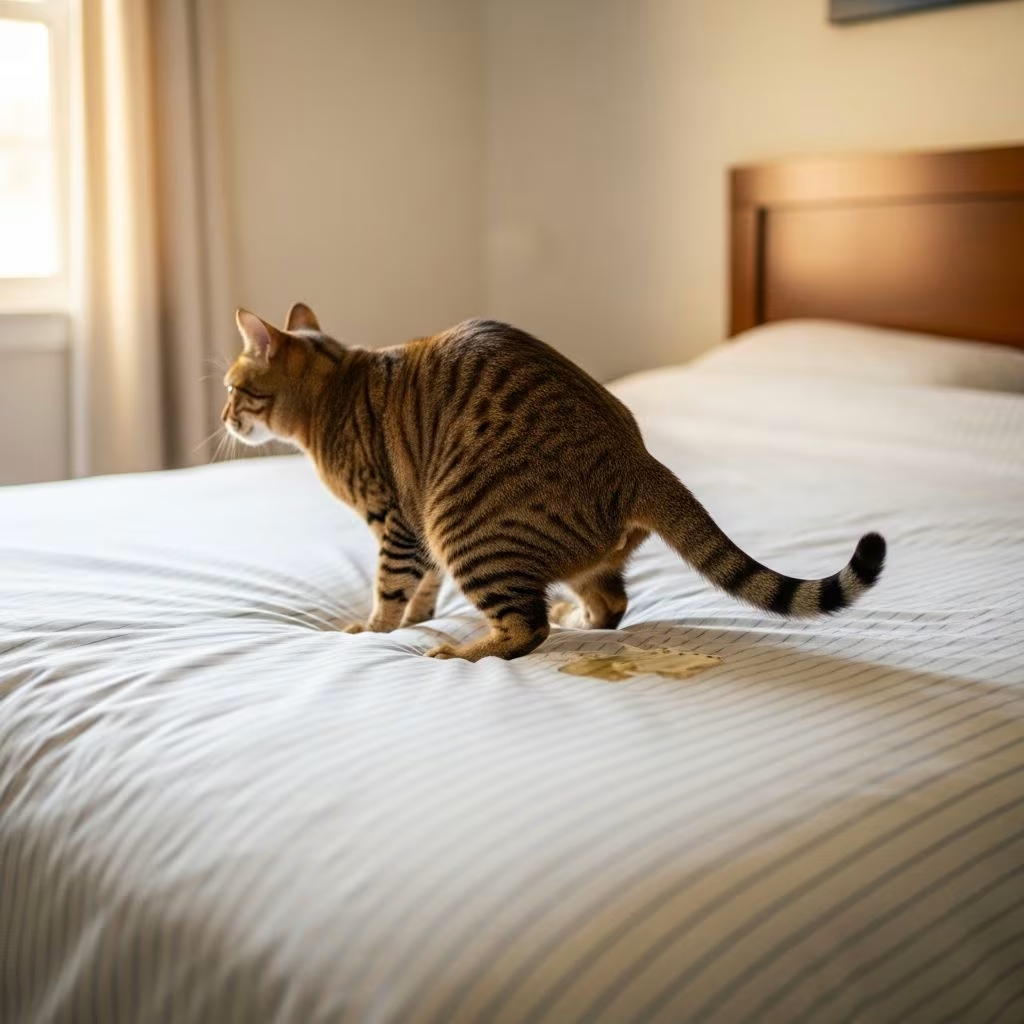
Discovering a wet spot on your bed from your cat can be frustrating and concerning. Cats are naturally fastidious about their bathroom habits, so when they start peeing on soft surfaces like your bed, it’s usually a sign of an underlying issue. This behavior, known as inappropriate urination, affects many cat owners and can stem from medical problems, litter box dissatisfaction, stress, or territorial instincts. Understanding the root cause is key to stopping it and preventing damage to your bedding and mattress.
In this comprehensive guide, we’ll explore the most common reasons why cats pee on beds, how to diagnose the problem, effective solutions, cleaning tips, and prevention strategies. Always start by ruling out health issues with a vet visit, as conditions like urinary tract infections (UTIs) or feline idiopathic cystitis (FIC) can mimic behavioral problems.
Reasons Why Your Cat Is Peeing on the Bed
Cats don’t pee on beds out of spite; it’s a communication method. Here are the primary culprits, backed by veterinary insights:
Medical Issues
The first and most critical reason to consider is health problems. Cats instinctively hide illness, so peeing outside the litter box is often their first visible symptom. Common medical causes include:
- Urinary Tract Infections (UTIs) or Feline Lower Urinary Tract Disease (FLUTD): These cause pain or frequent urges, making the litter box feel associated with discomfort. Symptoms mimic bladder stones or FIC, with no single known cause for FIC.
- Kidney Disease: Leads to increased urination frequency, so cats can’t reach the box in time.
- Diabetes or Hyperthyroidism: These metabolic issues boost urine production and thirst.
- Arthritis or Mobility Problems: Older cats may struggle to enter the box or reach it quickly.
- Gastrointestinal Issues: Pain from constipation or other gut problems can indirectly affect urination habits.
If your cat shows signs like straining, blood in urine, lethargy, increased drinking, or vocalizing while urinating, seek veterinary care immediately for urinalysis, bloodwork, or ultrasound. Early intervention prevents chronic issues.
Litter Box Problems
Even healthy cats avoid ‘undesirable’ litter boxes. Cats prefer clean, accessible, private facilities—deviations lead to bed-peeing as a soft, absorbent alternative.
- Dirty Box: Scoop daily and fully refresh litter weekly; cats hate ammonia smells from urine.
- Wrong Location: High-traffic areas, basements, or spots near loud noises deter use. Place in quiet, easy-access zones.
- Inadequate Setup: Rule of thumb: one box per cat plus one extra. Multi-cat homes need boxes on each floor.
- Litter or Box Type: Scented litters, covered boxes, or rough textures can cause aversion. Experiment with unscented clumping litter, open boxes, or softer substrates.
A dirty or unappealing box makes your bed seem cleaner and more comfortable by comparison.
Stress and Anxiety
Cats are sensitive to changes, marking your bed (with its familiar scent) as a self-soothing act. Triggers include:
- Routine disruptions: New schedules, travel, or guests.
- Household changes: Moving furniture, renovations, or new pets.
- Social tensions: Multi-cat bullying or outdoor cats visible through windows.
- Separation anxiety: Long absences lead to distress peeing.
Your bed’s scent comforts them amid chaos.
Territorial Marking
Less common in singles but prevalent in multi-pet homes, spraying or squatting to mark territory with urine. Beds are prime targets due to owner scent. Intact cats are more prone; spaying/neutering reduces this by 90%.
How to Stop Your Cat from Peeing on the Bed
Addressing the cause systematically yields the best results. Here’s a step-by-step plan:
- Vet Check: Rule out medical issues first.
- Optimize Litter Box: Clean daily, try new litters/boxes/locations. Use the table below for multi-cat guidelines.
| Number of Cats | Minimum Boxes Needed | Placement Tips |
|---|---|---|
| 1 | 2 | Quiet areas on main floors |
| 2-3 | 4 | One per floor, separate territories |
| 4+ | 5+ | Monitor for bullying; add vertical space |
- Reduce Stress: Maintain routines, use pheromone diffusers (e.g., Feliway), provide enrichment like toys and perches.
- Restrict Access: Close bedroom doors temporarily; use scat mats or air sprays on the bed.
- Positive Reinforcement: Treat near the litter box; never punish, as it increases stress.
- Consult Experts: If persistent, see a behaviorist.
Cleaning Cat Pee from Your Bed and Mattress
Proper cleaning removes pheromones that attract re-marking. Act fast:
Mattress Cleaning Steps
- Remove sheets; blot excess urine with towels.
- Sprinkle baking soda; let sit.
- Spray 1:1 white vinegar-water; sit 4-24 hours, vacuum.
- Apply enzymatic cleaner (e.g., Nature’s Miracle); dry fully.
Bedding Cleaning
- Soak in cold water.
- Wash hot (fabric-safe) with enzyme booster.
- Air dry; repeat if odor lingers.
Avoid ammonia cleaners—they smell like urine to cats.
Preventing Future Incidents
Long-term success combines vigilance and enrichment:
- Daily Maintenance: Scoop boxes, monitor health.
- Enrichment: Play sessions, scratching posts, window perches reduce boredom.
- Monitor Changes: Introduce novelties gradually.
- Spay/Neuter: Curbs marking.
Track progress in a journal to identify patterns.
Frequently Asked Questions (FAQs)
Is cat pee on the bed always a health issue?
No, but rule it out first. Litter box aversion or stress often follow.
How often should I clean the litter box?
Scoop daily, dump/refresh weekly.
Will punishing my cat help?
No— it worsens anxiety. Use positive methods.
What if I have multiple cats?
Provide extra boxes in separate areas to avoid conflicts.
Can pheromone products really work?
Yes, diffusers like Feliway calm many cats.
References
- Why is My Cat Peeing on My Bed? — Purina. 2023. https://www.purina.com/articles/cat/behavior/understanding-cats/why-is-my-cat-peeing-on-my-bed
- Why Your Cat Pees on Your Bed — Whitney Veterinary Hospital. 2024-01-15. https://whitneyvet.com/cat-pees-on-bed/
- Why Is My Cat Peeing on the Bed? Causes & Solutions — Chewy. 2023-05-10. https://www.chewy.com/education/cat/health-and-wellness/why-is-my-cat-peeing-on-bed
- Why Is My Cat Peeing on the Bed — Cats.com. 2024. https://cats.com/why-is-my-cat-peeing-on-the-bed
- 8 Tips to Stop Your Cat From Peeing — WebMD. 2023-11-20. https://www.webmd.com/pets/cats/how-to-stop-a-cat-from-peeing



