

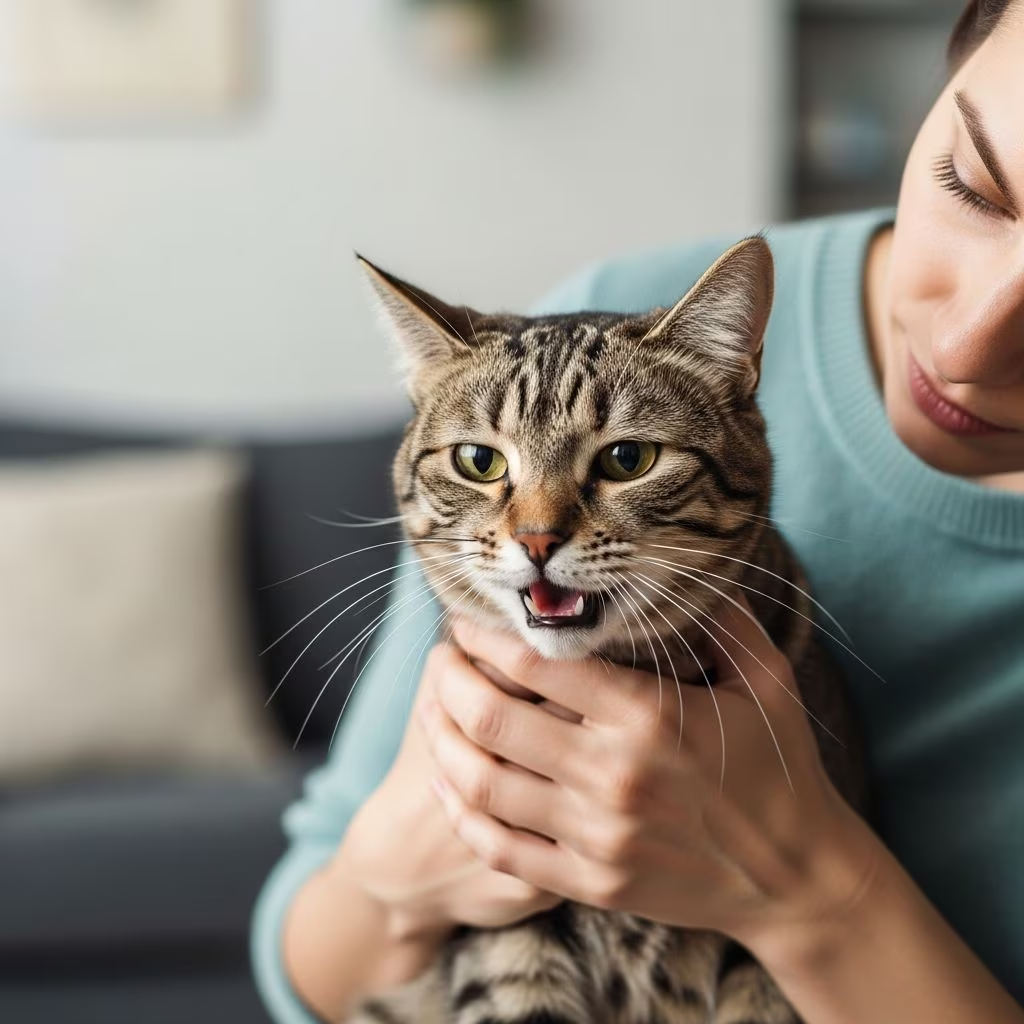
Why Is My Cat Panting: Causes and When to Seek Help
Cats don’t pant as often as dogs, so when you notice your feline friend breathing heavily with an open mouth, it can be concerning. Cat panting is often a sign that something isn’t quite right with your pet. Unlike dogs, who pant regularly to cool down, cats typically regulate their body temperature through grooming and seeking cooler environments. When a cat pants, they’re trying to breathe in enough oxygen to meet their body’s needs, which suggests they may be experiencing stress, overheating, or underlying health issues. Understanding the various causes of cat panting can help you determine whether your cat simply needs to cool down or if they require immediate veterinary attention.
Common Causes of Cat Panting
Intense Exercise or Overexertion
One of the most benign causes of cat panting is vigorous physical activity. If your cat has just completed an intense play session, chasing a laser pointer back and forth across your home, or engaging in other high-energy activities, you may notice them panting as they recover. Cats, especially younger and more active ones, can experience temporary panting after exertion. In these cases, the panting should subside relatively quickly once your cat has calmed down and rested. Allow your cat adequate time to recover by providing a quiet, comfortable space where they can relax. It’s best to let the cat calm down rather than continue playing when you notice signs of exhaustion.
Anxiety and Stress
Cats are sensitive creatures, and stress or anxiety can trigger panting episodes. Common stressful situations that may cause your cat to pant include veterinary visits, car rides, being in a crowded environment, or any significant changes to their routine or living space. If you suspect your cat is panting due to stress or anxiety, be mindful of what that trigger could be and do your best to remove it. Loud noises, unfamiliar dogs or other animals, and unfamiliar people are common triggers for anxious cats. Creating a calm environment with hiding spots, familiar toys, and soothing interactions can help reduce your cat’s stress levels. Some cats may also benefit from pheromone diffusers or calming supplements recommended by your veterinarian.
Overheating or Heatstroke
Cats can suffer from heat stress just like humans, and panting is one way they attempt to cool their bodies. If your cat is panting due to heat, they’re trying to dissipate body heat, and you should immediately move them to a cooler location with access to fresh water. Ensure your cat has adequate ventilation, shade, and hydration, especially during hot weather or in overheated spaces. Watch for signs of heatstroke, including vomiting, lethargy, incoordination, or collapse. If panting doesn’t stop after moving your cat to a cooler environment or if your cat develops any of these serious symptoms, seek emergency veterinary attention immediately. Obesity can increase your cat’s susceptibility to panting and heat-related issues, so maintaining a healthy weight is important for your pet’s overall well-being.
Severe Pain or Discomfort
While cats are excellent at hiding pain, a cat experiencing severe discomfort may exhibit panting as a physical response. Injuries, broken bones, urinary blockages, or other painful conditions can cause your cat to pant. Pain-related panting is typically accompanied by behavioral changes such as hiding, reduced appetite, or unusual vocalizations. If you suspect your cat is in pain, consult your veterinarian immediately. Your vet can perform a thorough examination to identify the source of discomfort and recommend appropriate pain management and treatment options.
Medical Conditions Associated with Cat Panting
Heart Disease
Cats with heart conditions, such as hypertrophic cardiomyopathy or other cardiac defects, may pant if they develop congestive heart failure. This condition occurs due to fluid buildup in or around the lungs, making it increasingly difficult for cats to breathe. Heart disease is a serious condition that requires prompt veterinary diagnosis and ongoing management. If your cat is panting suddenly without an obvious cause, seek emergency veterinary attention to rule out cardiac issues.
Heartworm Disease
Heartworms are small parasites that can infect the heart and lungs of your cat. When heartworms infect a cat, they can trigger a serious condition known as Heartworm Associated Respiratory Disease (HARD), which causes panting, wheezing, coughing, and other respiratory symptoms. Heartworm disease in cats can develop rapidly and become life-threatening. When a heartworm dies inside a cat, the cat may have an exaggerated response to the dead worm, potentially causing sudden respiratory distress, difficulty breathing, collapse, and even death. Watch for additional symptoms such as lethargy, hiding, loss of appetite, and coughing. Heartworm prevention is crucial for cats living in areas where heartworm is common.
Respiratory Diseases
Various respiratory conditions can cause your cat to pant. Feline asthma is surprisingly common in cats and causes chronic lung inflammation, leading to frequent coughing and difficulty breathing. During asthma attacks, cats may pant as they struggle to breathe between coughs. Other respiratory issues include pneumonia, upper airway diseases, and respiratory infections similar to colds or flu in humans. These conditions often present with additional symptoms such as sneezing, nasal discharge, wheezing, fever, and coughing. Respiratory infections can make it difficult for your cat to breathe, directly leading to panting.
Anemia
Red blood cells are responsible for carrying oxygen throughout the body. If your cat’s red blood cell count becomes low due to blood loss, certain infectious diseases like cytauxzoonosis, or autoimmune conditions such as immune-mediated hemolytic anemia, they may pant to compensate for the reduced oxygen-carrying capacity of their blood. Anemia can result from various underlying causes and requires veterinary diagnosis and treatment.
Other Medical Conditions
Additional medical issues that can cause panting include cancer, abdominal distention, hydrothorax (fluid in the chest cavity), certain medications like opioids, and brachycephalic airway syndrome in flat-faced breeds such as Persians, Himalayans, and Burmese cats. Brachycephalic airway syndrome restricts breathing in these breeds and can predispose them to panting and respiratory difficulties.
Warning Signs Requiring Immediate Veterinary Care
While some causes of panting are relatively benign, others indicate medical emergencies. Contact your veterinarian immediately if you notice any of the following symptoms accompanying your cat’s panting:
- Shallow or labored breathing
- Loud, raspy, or rapid panting
- Lethargy and loss of appetite
- Panting that occurs in cycles—panting for a period, stopping, then starting again
- Hiding or aggression
- Pale or blue-tinged gums
- Panting accompanied by wheezing or rapid breathing
- Vomiting or diarrhea along with panting
- Collapse or incoordination
If you’re unsure whether your cat’s panting is normal or requires veterinary attention, it’s always better to err on the side of caution and contact your veterinarian for guidance.
Treatment Options for Cat Panting
Treatment for cat panting depends entirely on the underlying cause. If your cat is panting due to an obvious and benign cause such as exercise, anxiety, or heat, management typically involves allowing them to calm down or cool off naturally. However, if your cat is panting due to an underlying medical condition, they will likely need to be hospitalized and receive specialized care.
Non-Emergency Management
For stress-related panting, create a calm and safe environment for your cat. Provide hiding spots, maintain a consistent routine, and minimize exposure to known stressors. For heat-related panting, move your cat to a cooler location, ensure access to fresh water, and provide air conditioning or fans during hot weather.
Medical Treatments
Your veterinarian may recommend various treatment protocols based on the underlying condition:
- Antibiotics to treat bacterial infections
- Asthma inhalers attached to aerosol chambers for feline asthma management
- Heartworm medications
- Bronchodilators and steroids for respiratory conditions
- Surgery to treat heart conditions or brachycephalic airway syndrome
- Behavior modification and therapy plans for traumatized cats
- Blood transfusions and immunosuppressive medications like prednisolone for immune-mediated hemolytic anemia
- Intravenous fluids and oxygen therapy for hospitalized cats
- Thoracocentesis or abdominocentesis to drain excess fluid from body cavities
Hospitalized cats may be placed in an oxygen chamber to increase oxygen availability and monitored closely by veterinary professionals. Your veterinarian may also recommend a consultation with a veterinary specialist, such as a cardiologist or internist, if your cat requires more advanced or complex care.
When to Seek Emergency Care
Certain situations require immediate emergency veterinary care rather than waiting for a regular appointment. If your cat is experiencing any of the warning signs listed above, or if panting is accompanied by difficulty breathing, collapse, or other acute symptoms, take your cat to the nearest emergency veterinary clinic immediately. Don’t wait for your regular veterinarian’s office to open if your cat is showing signs of respiratory distress or other emergency symptoms.
Frequently Asked Questions
Q: Is it normal for cats to pant?
A: Occasional panting after play or in hot weather can be normal, but persistent or unexplained panting is not typical for cats and warrants veterinary evaluation. Cats don’t regulate temperature through panting as readily as dogs do.
Q: How can I tell if my cat’s panting is an emergency?
A: Emergency signs include labored breathing, blue-tinged gums, rapid or raspy panting, lethargy, loss of appetite, collapse, or panting accompanied by wheezing. If you’re unsure, contact your veterinarian immediately.
Q: Can stress cause my cat to pant?
A: Yes, anxiety and stress from veterinary visits, car rides, environmental changes, or unfamiliar situations can trigger panting in cats. Reducing stressors and creating a calm environment can help.
Q: What should I do if my cat is panting from heat?
A: Move your cat to a cooler location immediately, provide fresh water, ensure adequate ventilation, and monitor for signs of heatstroke. Seek emergency care if panting doesn’t stop or other symptoms develop.
Q: How is feline asthma diagnosed and treated?
A: Feline asthma is diagnosed through physical examination and imaging. Treatment typically involves using asthma inhalers attached to aerosol chambers, and your veterinarian will provide guidance on managing flare-ups.
Q: Can heartworm disease be prevented in cats?
A: Yes, heartworm prevention medications are available for cats living in areas where heartworm is prevalent. Consult your veterinarian about appropriate prevention options for your cat.
Q: What’s the difference between normal breathing and panting in cats?
A: Normal breathing is quiet with the mouth closed. Panting involves open-mouth breathing and is often rapid. Cats typically only breathe hard with open mouths when extremely stressed, overheated, or experiencing health issues.
References
- Cat Panting? Possible Reasons and When To Call Your Vet — PetMD. 2024. https://www.petmd.com/cat/symptoms/cat-panting
- Why Is My Cat Panting? — Trudell Animal Health. https://trudellanimalhealth.com/blogs/blog/why-is-my-cat-panting
- Cat Panting or Breathing Heavily (Dyspnea) — Small Door Veterinary. https://www.smalldoorvet.com/learning-center/medical/cat-panting
- Why Is My Cat Panting? — Loveland Regional Animal Hospital. https://lovelandregional.com/blog/why-is-my-cat-panting/
- Cat Panting: Causes and When it’s an Emergency — VEG. https://www.veg.com/post/cat-panting
- Understanding Heavy Breathing in Cats: Causes & Solutions — Hyde Park Vet Clinic. https://www.hydeparkvetclinic.com/site/blog/2022/11/30/heavy-breathing-cat



