

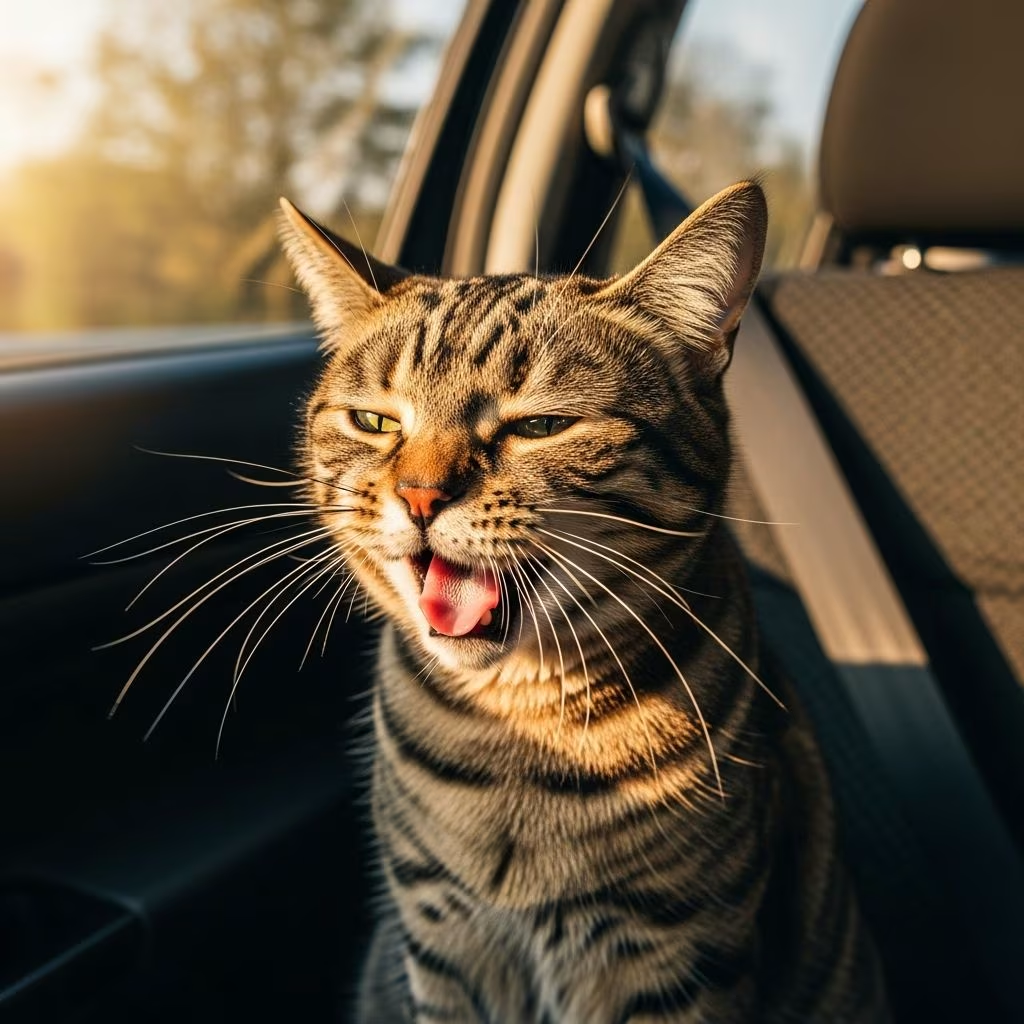
Seeing your cat panting in the car can be alarming, as cats rarely pant like dogs do. Unlike dogs, who pant to cool off after exercise, cats typically reserve panting for situations involving **stress**, **overheating**, or underlying health issues. During car rides, the most common culprit is anxiety triggered by the unfamiliar motion, sounds, and destinations like the vet clinic. However, persistent or severe panting warrants closer attention, as it could indicate motion sickness, heat exhaustion, or serious conditions like respiratory distress or heart problems.
This comprehensive guide breaks down the reasons behind cat panting in the car, offers practical tips to ease their discomfort, and explains when to rush to the vet. By understanding these factors, you can make car trips less stressful for your feline companion and ensure their well-being.
Why Do Cats Pant?
Cats pant primarily to regulate body temperature or cope with stress, but it’s far less common than in dogs because felines are more efficient at cooling themselves through grooming and seeking shade. Panting involves rapid, open-mouth breathing to intake more oxygen and expel heat. In the car, this behavior often stems from environmental stressors rather than physical exertion.
Key triggers include:
- Stress and Anxiety: Car rides disrupt a cat’s routine, causing fear responses.
- Overheating: Poor ventilation or warm weather can elevate body temperature.
- Motion Sickness: The rocking motion may upset their stomach, leading to panting.
- Medical Issues: Pain, heart disease, or respiratory problems can manifest as panting.
Is Panting Normal for Cats?
Occasional, short-lived panting after intense play or in hot conditions is normal for cats. However, in the car—where there’s no exercise involved—panting is rarely ‘normal’ and usually signals discomfort. Cats associate cars with infrequent, unpleasant trips like vet visits, creating a conditioned fear response. Brief panting that resolves upon stopping is less concerning, but prolonged episodes, especially with other symptoms, require investigation.
Reasons Your Cat Is Panting in the Car
1. Stress and Anxiety from Car Rides
The top reason cats pant in cars is **stress**. Cats thrive on predictability, and car rides shatter that with engine noise, vibrations, and confinement. Many cats link cars to vet visits, where they’ve experienced pokes or unpleasant smells, leading to anticipatory anxiety. This manifests as panting, wide eyes, vocalizing, or hiding.
Indoor cats, unaccustomed to movement, find the sensation disorienting. Flat-faced (brachycephalic) breeds like Persians are especially prone due to airway restrictions. To mitigate, acclimate your cat gradually with short, positive drives to fun destinations like parks.
2. Motion Sickness
Like humans, some cats suffer **motion sickness** from the car’s sway, causing nausea and panting. Symptoms include drooling, vomiting, or lethargy post-ride. Kittens and young cats are more susceptible as their balance systems mature.
Veterinarians may prescribe anti-nausea meds like Cerenia for frequent travelers. Drive smoothly, avoid sudden stops, and position the carrier for forward views to reduce disorientation.
3. Overheating
Cars heat up fast, even with AC. Panting is a cat’s attempt to cool via evaporation from the tongue. Trapped in carriers without airflow, cats overheat quickly, risking heatstroke—symptoms include red gums, weakness, and collapse.
Prevent by using ventilated carriers, cracking windows, and never leaving cats unattended. Aim for cabin temps below 75°F (24°C).
4. Pain or Discomfort
Cats hide pain well, but severe issues like injuries or urinary blockages can cause panting. If your cat pants unusually, check for limping, swelling, or behavioral changes. Arthritis might worsen with carrier confinement.
5. Underlying Medical Conditions
Serious issues amplify car stress:
- Respiratory Problems: Asthma, pneumonia, or infections cause labored breathing and panting.
- Heart Disease: Congestive heart failure leads to fluid in lungs, prompting open-mouth breathing.
- Heartworm: Parasites cause respiratory distress.
- Anemia or Obesity: Reduced oxygen capacity or extra weight strains breathing.
A table summarizing key medical causes:
| Condition | Symptoms with Panting | Risk in Car |
|---|---|---|
| Heart Failure | Lethargy, coughing | Stress worsens fluid buildup |
| Asthma | Wheezing, coughing fits | Motion triggers attacks |
| Respiratory Infection | Sneezing, discharge | Confinement aggravates |
| Heartworm | Sudden distress, collapse | Fatal if dying worm |
How to Calm a Panting Cat in the Car
Proactive steps reduce panting:
- Choose the Right Carrier: Use crash-tested, ventilated models like those convertible to play caves for familiarity.
- Acclimation Training: Leave carrier out daily with treats; start with stationary car time, progress to short drives.
- Comfort Measures: Cover carrier partially for security; play soothing music or use pheromone sprays like Feliway.
- Timing and Prep: Avoid rush hour; feed lightly beforehand; medicate for motion sickness if vet-approved.
- Cooling Aids: Frozen water bottles near carrier; fans for airflow.
When to Worry About Cat Panting in the Car
Mild, resolving panting is often benign, but seek **emergency vet care** if:
- Panting lasts >10-15 minutes after stopping.
- Accompanied by blue gums, collapse, vomiting, or seizures.
- Occurs at rest or with pale gums, rapid heartbeat.
- Frequent on short trips or with weight loss/coughing.
Monitor baselines: normal cat breaths 20-30/min; over 40 is tachypnea.
FAQs
Q: Why does my cat only pant in the car?
A: Car rides uniquely combine motion, confinement, and vet associations, spiking stress hormones that trigger panting.
Q: Can I give my cat Benadryl for car anxiety?
A: Only under vet guidance; dosage is 1mg/lb, but safer options like gabapentin exist for travel.
Q: How long is too long for cat panting?
A: If it persists beyond calming or includes distress signs, contact a vet immediately.
Q: Is panting a sign of heatstroke in cats?
A: Yes, progressing to drooling, weakness; cool promptly and seek ER care.
Q: Do all cats pant in cars?
A: No, but travel-naive or sensitive cats are prone; training helps most.
Final Thoughts on Cat Panting in the Car
Cat panting in the car is usually stress-related but can mask serious issues. With proper carriers, training, and vigilance, you can transform dreaded trips into tolerable ones. Always prioritize vet check-ups for recurrent panting to rule out health concerns. Your cat’s comfort starts with preparation and empathy.
References
- Why is my cat panting in the car? — K&H Pet Products. 2023. https://khpet.com/blogs/cats/why-is-my-cat-panting-in-the-car
- Cat Panting? Possible Reasons and When To Call Your Vet — PetMD. 2024-05-15. https://www.petmd.com/cat/symptoms/cat-panting
- Cat Panting: Causes and When it’s an Emergency — VEG ER for Pets. 2023-08-10. https://www.veg.com/post/cat-panting
- Cat Panting With Mouth Open: Urgent Causes and What to Do — GSVS. 2024. https://gsvs.org/blog/cat-panting-open-mouth-emergency/
- Why Is My Cat Panting? — Loveland Regional Animal Hospital. 2023-11-20. https://lovelandregional.com/blog/why-is-my-cat-panting/
- Cat Panting or Breathing Heavily (Dyspnea) — Small Door Veterinary. 2024-02-01. https://www.smalldoorvet.com/learning-center/medical/cat-panting



