

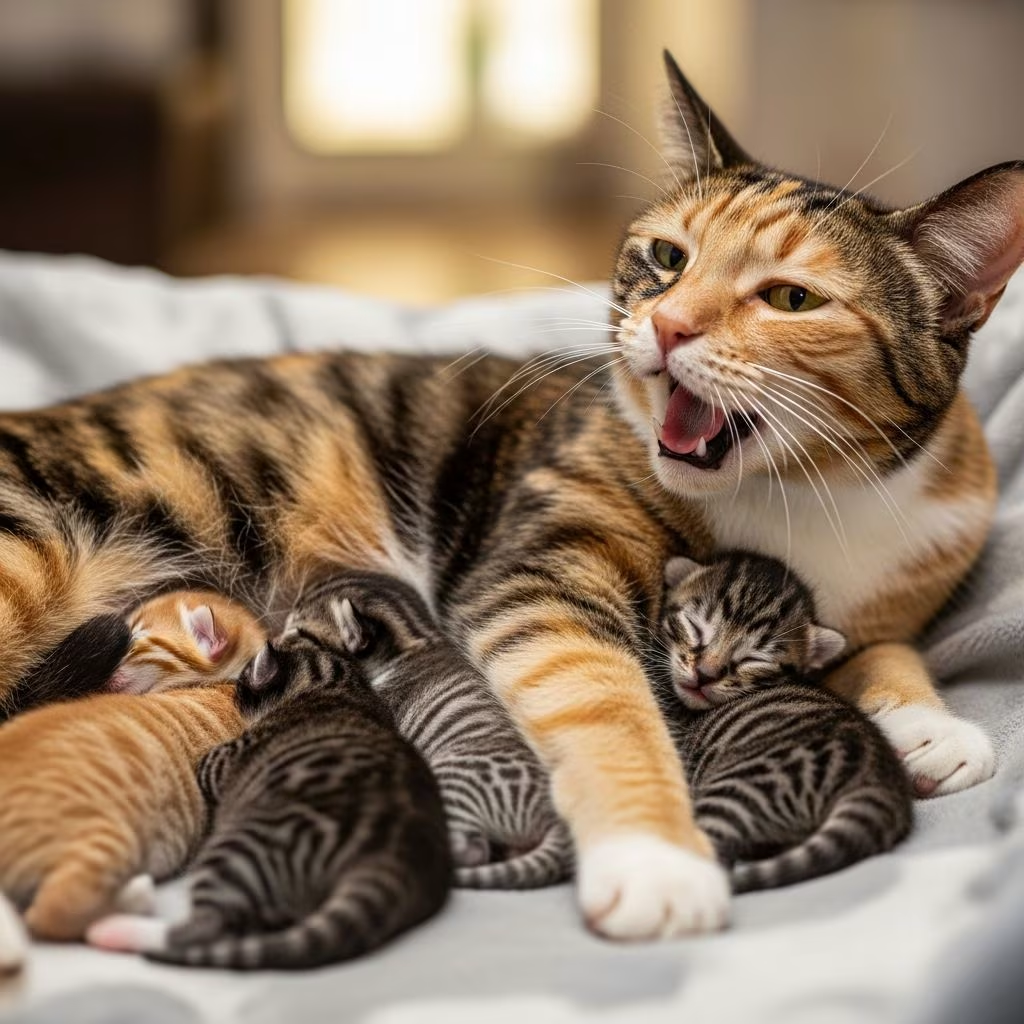
Seeing your cat panting after giving birth can be alarming, but it’s often a normal response to the physical and emotional demands of labor. New mother cats, or queens, undergo significant changes postpartum, and panting may signal exhaustion, uterine contractions, or more serious issues like eclampsia. Understanding the causes helps you determine if it’s benign recovery or a veterinary emergency. This guide covers the possible reasons, symptoms to watch for, and steps to support your cat and her kittens.
Is Panting Normal for New Moms Post-Birth?
Panting is common in cats immediately after delivery due to the intense effort of labor. Queens pant from anxiety, pain, stress, overheating, and physical exhaustion as they expel kittens and placentas. Once birthing completes, panting typically subsides as the cat rests and recovers. However, prolonged or intense panting warrants monitoring, as it could indicate complications like retained kittens or health issues. Normal postpartum panting lasts minutes to hours, accompanied by bonding with kittens and nursing.
During the first stage of labor, cats exhibit panting alongside restlessness and vocalization. This escalates in active labor but should resolve post-delivery unless more kittens are imminent. Factors like large litters increase exhaustion, making panting more pronounced. Provide a quiet, cool environment to aid recovery.
The 5 Possible Reasons Why a Cat Pants After Giving Birth
Several factors explain postpartum panting. While some are harmless, others demand immediate action. Here’s a breakdown:
1. Eclampsia
**Eclampsia**, also known as milk fever or lactation tetany, is a life-threatening calcium deficiency in nursing queens, typically occurring 1-4 weeks postpartum when milk production peaks. Demands from large litters or poor nutrition deplete blood calcium, causing hypocalcemia. Attentive mothers nursing vigorously are at higher risk.
- Restlessness and pacing
- Rapid **panting**
- Stiff gait or inability to walk
- Muscle tremors or spasms
- Convulsions or seizures
- Disorientation or aggression
- Fever and elevated heart rate
This is a medical emergency requiring intravenous calcium gluconate and supportive care. Early intervention prevents seizures and death; prognosis is good with prompt treatment. Prevent by supplementing calcium-rich diets pre- and post-birth, but only under vet guidance to avoid imbalances.
2. Anxiety and Stress
Birth and kitten care induce high stress in queens, triggering panting similar to human anxiety responses. New moms adjust to constant demands, noisy kittens, and environmental changes, leading to panting as a cooling and stress-relief mechanism.
Excessive stress risks aggression, neglect, or lactation failure, endangering kittens. Signs include dilated pupils, hiding, or excessive vocalizing alongside panting.
- Create a calm nesting area away from noise, dogs, or strangers.
- Provide fresh water, high-quality food, and litter access without disturbance.
- Minimize handling; observe from afar.
- Use pheromone diffusers like Feliway for soothing effects.
If panting persists despite a stress-free setup, consult a vet to rule out medical causes.
3. Postpartum Healing
Uterine involution—the shrinking of the expanded uterus—causes cramping pains akin to human afterbirth contractions, prompting panting. Hormonal shifts and tissue repair generate heat and discomfort, lasting days. The queen cleans kittens and herself, adding fatigue.
This is transient; monitor for resolution within 24-48 hours. Support with pain relief only if vet-approved, as NSAIDs can harm lactating cats. Ensure hygiene to prevent infection.
4. Overheating
Cats pant to thermoregulate when overheated, especially post-labor when body temperature rises from exertion. Crowded nests with kittens exacerbate this; ideal queen temperature is 99-102°F, but litters raise ambient heat.
- Keep room at 75-80°F with good ventilation.
- Offer cool, wet cloths or fans (not direct).
- Monitor for relocation of kittens to cooler spots.
Dehydration worsens panting; provide multiple water sources.
5. More Kittens Are Coming
Labor spans 4-24 hours, sometimes up to 3 days per PetMD references in sources. Panting with straining signals ongoing delivery. Normal intervals between kittens: 10-60 minutes.
If pushing >1 hour without birth, suspect dystocia (difficult birth) from malposition or exhaustion. Emergency vet care may involve C-section.
When to Call the Vet
Not all panting requires intervention, but combined symptoms signal trouble. Contact a vet if panting lasts >24 hours or accompanies:
- Unusual vaginal discharge (foul, bloody, or excessive)
- Uterine prolapse or swollen abdomen
- Poor appetite, vomiting, or excessive thirst
- Lethargy, collapsing, or awkward movements
- Fever (>103°F), dehydration (tacky gums)
- Reduced milk production or kitten neglect
- Increased heart rate or pale gums
Postpartum complications like metritis (uterine infection), mastitis, or retained placentas mimic these. Eclampsia progresses rapidly; err on caution. Telemedicine or emergency visits ensure kitten safety too.
| Condition | Key Signs | Urgency |
|---|---|---|
| Eclampsia | Panting, tremors, seizures | Immediate |
| Stress/Overheat | Panting alone, resolves with calm/cool | Monitor |
| Ongoing Labor | Panting + straining >1hr | Urgent |
| Infection (Metritis) | Foul discharge, fever, neglect | Emergency |
How to Help Your Cat Recover Post-Birth
Support recovery proactively:
- Nest Setup: Quiet, draft-free box with clean towels; low entry for kittens.
- Nutrition: High-calorie kitten food, fed frequently; calcium supplements if advised.
- Hygiene: Check for discharge; warm water wipes if needed.
- Monitoring: Weigh kittens daily; ensure nursing every 2-3 hours.
- Kitten Care: If mom neglects, hand-feed kitten milk replacer.
Vet check-up 24-48 hours post-birth assesses health, deworming, and vaccines.
Frequently Asked Questions (FAQs)
Is it normal for my cat to pant right after giving birth?
Yes, brief panting from exhaustion and contractions is normal and should stop soon.
How long is normal for a cat to pant after delivery?
Up to a few hours; persistent panting needs vet evaluation.
Can stress cause panting in newborn kitten moms?
Absolutely; minimize disturbances for relief.
What are eclampsia symptoms in cats?
Panting, stiffness, spasms—emergency!
When should I worry about postpartum panting?
If with discharge, fever, or kitten neglect.
Preventing Postpartum Issues
Pre-birth vet exams, balanced diets, and small litters reduce risks. Spay non-breeding cats to avoid repeats.
Postpartum panting reflects the queen’s resilience but signals vigilance needs. With care, most recover fully, nurturing healthy litters.
References
- Why Is My Cat Panting After Giving Birth? 5 Vet-Reviewed Possible … — Hepper. 2023. https://articles.hepper.com/why-is-my-cat-panting-after-giving-birth/
- Why is My Cat Panting? | Zoetis Petcare — Zoetis Petcare. 2023. https://www.zoetispetcare.com/blog/article/why-cat-panting
- 6 Complications to Look Out for After Your Cat Gives Birth — FirstVet. 2023. https://firstvet.com/us/articles/6-complications-to-look-out-for-after-your-cat-gives-birth
- Panting In Cats – What Is Normal & Not Normal — Preventive Vet. 2023. https://www.preventivevet.com/cats/cat-panting-may-be-a-problem
- Eclampsia in Cats – Symptoms, Causes, Diagnosis, Treatment — WagWalking. 2023. https://wagwalking.com/cat/condition/eclampsia-



